
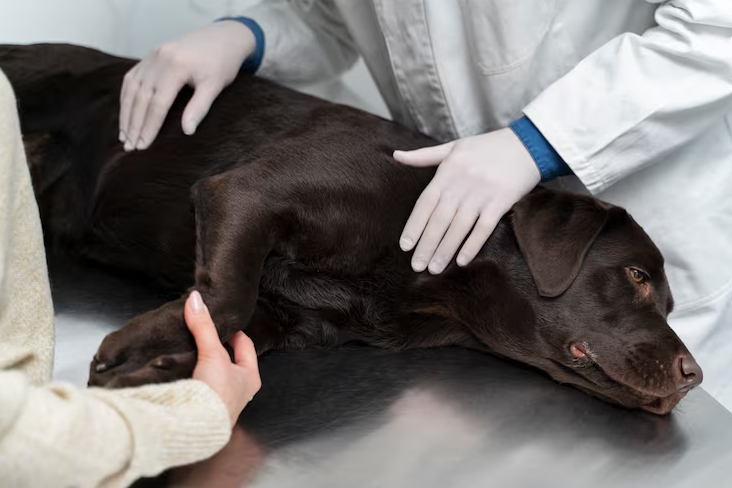
A single pet surgery can cost thousands of dollars. Many pet owners discover this only during an emergency. Pet surgery insurance Calgary plans help reduce that financial pressure before a crisis happens.
Your pet can swallow a foreign object, tear a ligament, or face a sudden illness without warning. Fast treatment matters in those moments. Insurance gives you more freedom to focus on care instead of cost.
Why Emergency Surgery Costs Keep Rising
Veterinary medicine has advanced quickly in recent years. Clinics now use better tools, improved imaging, and modern surgical methods. These upgrades improve outcomes, but they also increase costs.
Emergency surgeries often include:
- Diagnostic testing
- Anesthesia and monitoring
- Surgical procedures
- Hospital stays
- Pain management and recovery care
Even a routine emergency can become expensive within hours.
Understanding What Surgery Coverage Includes
Many insurance plans cover surgeries linked to accidents or illnesses. Coverage usually depends on the policy and waiting periods.
Common covered procedures include:
- Foreign object removal
- Cruciate ligament surgery
- Tumor removal
- Emergency abdominal surgery
Some plans also help with:
- Diagnostic imaging
- Prescription medications
- Post-surgery rehabilitation
You should always read the policy details carefully before choosing coverage.
Pet Surgery Insurance Calgary: What Many Owners Miss
Some pet owners assume every surgery gets covered automatically. That mistake often leads to frustration during emergencies.
Many plans exclude:
- Pre-existing conditions
- Elective procedures
- Cosmetic treatments
- Routine dental cleanings
This matters more than people realize. If your pet shows symptoms before enrollment, future treatment may not qualify for reimbursement.
Early enrollment protects your pet from those gaps.
Why Timing Matters More Than Price
Waiting too long can limit your options. Insurance works best before health issues appear.
Younger pets usually:
- Qualify more easily
- Receive lower monthly rates
- Face fewer exclusions later
Once a condition appears in medical records, many providers will not cover related treatment.
That is why early planning matters.
Pet Insurance in Calgary: How Reimbursement Works
Most providers use a reimbursement system. You usually pay the clinic first, then submit the claim later.
The process often looks like this:
- Your pet receives treatment
- You pay the invoice upfront
- The insurance company reviews the claim
- You receive reimbursement for eligible costs
This surprises many owners during emergencies. Knowing the process ahead of time prevents confusion.
Choosing Coverage Based on Your Pet’s Lifestyle
Every pet faces different risks. Active dogs often deal with injuries from running, jumping, or outdoor activity.
Indoor pets still face problems such as:
- Digestive blockages
- Dental disease
- Sudden illness
- Chronic conditions
Your coverage should match your pet’s age, breed, and lifestyle. One policy does not fit every situation.
The Real Value Goes Beyond Money
Many people focus only on monthly premiums. The deeper value appears during difficult moments.
Insurance helps you:
- Approve treatment faster
- Reduce financial stress
- Access advanced care options
- Avoid delaying surgery
This emotional relief matters when your pet needs urgent help.
Common Mistakes Pet Owners Make
Small mistakes create major problems later. Many owners only look at price when comparing plans.
Avoid these common issues:
- Ignoring policy exclusions
- Waiting until a pet gets sick
- Choosing low reimbursement limits
- Skipping annual policy reviews
A cheaper plan may leave large gaps in protection.
Pet Insurance in Calgary and Long-Term Health Planning
Insurance is not only for emergencies. It also supports long-term care decisions.
Pets today live longer lives. Older pets often develop:
- Arthritis
- Cancer
- Joint disease
- Heart conditions
These conditions sometimes require surgery or ongoing treatment. Financial preparation gives you more treatment choices later.
Questions You Should Ask Before Buying a Plan
Before choosing coverage, ask direct questions.
Important questions include:
- What surgeries are covered?
- Are hereditary conditions included?
- How long are waiting periods?
- What reimbursement percentage applies?
Clear answers prevent surprises later.
Why Some Owners Still Skip Coverage
Some pet owners prefer savings accounts instead of insurance. Others worry about rising premiums.
That approach works for some families. Still, emergencies often happen without warning. A single surgery can drain years of savings.
Insurance creates a backup plan when costs become overwhelming.
Understanding Deductibles and Limits
Every policy includes deductibles and reimbursement limits. These details affect your final costs.
You should review:
- Annual deductibles
- Claim limits
- Lifetime coverage caps
- Percentage reimbursement rates
A policy with low monthly payments may provide limited protection during large emergencies.
Building a Strong Financial Safety Net
Protecting your pet requires planning. Emergencies happen quickly, and treatment delays can worsen outcomes.
A smart plan combines:
- Preventive veterinary care
- Emergency savings
- Reliable insurance coverage
This combination gives your pet the best chance during medical emergencies.
Protecting Your Pet Before an Emergency Happens
Medical emergencies create fear, pressure, and fast decisions. Waiting until that moment to think about finances puts extra stress on you and your pet.
Pet surgery insurance Calgary plans help prepare for the unexpected. They support faster treatment decisions and reduce the burden of large medical bills. Many owners searching for dependable pet insurance in Calgary want peace of mind more than anything else.
Silverado Veterinary Hospital understands how important timely care and informed decisions are for pet owners. Visit us to learn how preventive care and proper planning can help protect your pet’s future.
Frequently Asked Questions
1. Does pet surgery insurance cover emergency procedures?
Most plans cover emergency surgeries caused by accidents or illnesses after waiting periods.
2. What is usually excluded from coverage?
Pre-existing conditions, cosmetic procedures, and routine care often remain excluded.
3. Can older pets still get insurance?
Yes, but premiums may cost more and coverage options may become limited.
4. Do I pay the vet directly or the insurance company?
Most clinics require upfront payment before reimbursement from the insurer.
5. Is pet insurance worth it for healthy pets?
Yes, early coverage often provides better protection before health problems begin.