
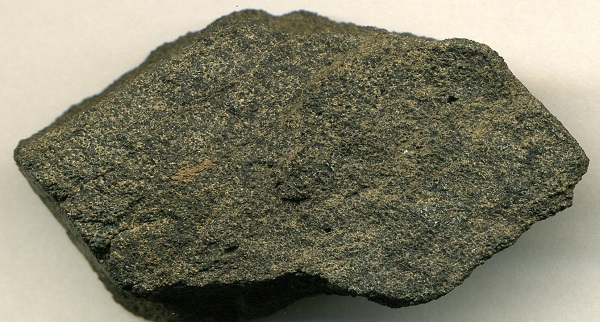
The Phosphate Rock Price Trend has remained relatively steady, with only limited movement in many major markets. Unlike commodities that can change sharply from one week to another, phosphate rock prices are often influenced by a combination of mining costs, energy expenses, logistics, fertilizer demand, and the availability of material from producing regions. Recent market conditions suggest a balanced situation, where supply is generally sufficient while buyers continue to purchase according to their regular requirements.
Phosphate rock is one of the most important raw materials used in the fertilizer industry. It is mined, processed, and converted into different phosphate-based products used in agriculture. Because fertilizer demand is closely connected with farming activity, planting seasons, crop prices, and agricultural income, changes in the phosphate rock market can eventually affect the wider fertilizer supply chain.
Why Phosphate Rock Prices Have Remained Relatively Stable
One of the main reasons behind the current stability in Phosphate Rock Prices is the balance between supply and demand.
Mining activity in major producing regions has continued at fairly normal levels. At the same time, fertilizer manufacturers have maintained regular procurement rather than making unusually large purchases. This has prevented a major shortage from developing in the market.
The cost side is also important. Phosphate rock production depends heavily on mining, transportation, fuel, electricity, and processing activities. When these costs remain controlled, producers have less pressure to make sudden price changes.
However, stability does not mean the market is completely free from risk. Any major change in mining costs, transportation rates, export availability, or fertilizer demand can influence prices.
👉 👉 👉 Please submit your query to get Phosphate Rock price trend forecast, and market price analysis: https://www.price-watch.ai/book-a-demo/
The Role of Mining Costs
Mining is at the heart of the phosphate rock market. Unlike some manufactured chemicals, phosphate rock cannot simply be produced quickly when demand increases. It must be extracted from natural deposits, processed, and transported to the buyer.
This makes production costs an important part of the price structure.
Higher fuel and electricity costs can increase mining expenses. Equipment maintenance, labor, transportation, and other operating costs also influence the final value of the material.
When these costs remain stable, the market generally has a stronger foundation. But if energy or logistics expenses rise sharply, producers may face higher operating costs, which can eventually put upward pressure on phosphate rock prices.
Fertilizer Demand Remains an Important Factor
Agriculture continues to be the biggest demand driver for phosphate-based raw materials.
Farmers need fertilizers to maintain soil nutrients and support crop production. Phosphate is particularly important for root development and overall plant growth. Because of this, fertilizer manufacturers closely monitor agricultural demand when planning their raw material purchases.
During periods when farmers prepare for planting seasons, fertilizer demand can become stronger. This can increase procurement activity and support prices.
On the other hand, if fertilizer buyers already have sufficient inventory, they may delay new purchases. This can reduce short-term buying pressure and keep prices stable.
This relationship between agriculture and raw materials is one reason why buyers should not look at phosphate rock prices in isolation.
Logistics Can Quickly Change the Market
Transportation is another important factor behind the Phosphate Rock Price Trend.
Phosphate rock is generally moved through long supply chains, from mining areas to processing facilities and then toward fertilizer markets. Shipping costs, port availability, fuel prices, and regional transportation conditions can therefore influence the delivered price.
Even when mining production remains stable, higher freight costs can increase the cost for buyers.
This is particularly important for importing countries. A buyer may see a stable origin price but still face a higher landed cost because of shipping or inland transportation expenses.
For this reason, procurement teams often monitor both the raw material price and logistics conditions before making purchasing decisions.
Regional Market Conditions
Different regions can experience slightly different pricing conditions even when the global market appears stable.
Morocco
Morocco remains an important region in the phosphate rock supply chain. The market conditions shown in the source data indicate relatively stable pricing, supported by balanced demand and sufficient supply.
Mining and energy-related costs remained important factors, but there was no major disruption strong enough to create significant price movement.
Jordan
The Jordanian market also showed stable conditions. Mining activity and energy-related production costs continued to influence the market, while fertilizer demand remained fairly consistent.
Buyers followed regular procurement patterns, which helped maintain a balanced supply-demand situation.
Egypt
Phosphate Rock Prices in Egypt remained relatively steady, with limited price variation during the period covered by the source information.
The market benefited from stable production conditions and consistent agricultural demand. Feedstock and energy costs remained relevant, but there was no major supply shock to create strong upward or downward movement.
Indonesia
Indonesia also recorded broadly stable phosphate rock conditions. Demand from fertilizer producers remained consistent, while supply conditions were sufficient.
Import requirements, mining activity, transportation, and energy costs continued to be important considerations for buyers.
India
India is another important market because of its large agricultural sector and fertilizer requirements. The source information indicates that phosphate rock conditions remained relatively stable, supported by regular fertilizer demand.
However, import dependence makes international prices, shipping costs, and availability important factors for domestic buyers.
How Buyers Are Responding
The current market environment encourages buyers to take a more balanced approach.
When prices are stable, many procurement teams prefer regular purchasing rather than building very large inventories. This helps reduce the risk of holding expensive stock if prices later move lower.
At the same time, buyers do not want to wait too long if they expect production costs or freight rates to increase.
This creates a practical challenge: when should you buy?
There is no single answer. The right decision depends on inventory levels, expected fertilizer demand, supplier availability, transportation costs, and the buyer’s required delivery schedule.
A company with low inventory may prefer to secure material earlier, while a company with comfortable stock may have more flexibility to wait.
Understanding a Phosphate Rock Price Chart
A Phosphate Rock Price Chart can make these market movements easier to understand.
Instead of looking at individual price points, buyers can use a chart to identify broader patterns. For example, a chart may show whether prices have been moving upward, remaining flat, or gradually declining.
However, a price chart should not be used alone.
A stable price line does not necessarily mean that the market has no risks. Production costs, freight rates, inventory levels, and regional demand may be changing underneath the surface.
For procurement professionals, combining the price chart with market fundamentals can provide a much clearer picture.
Why a Phosphate Rock Price Index Is Useful
A Phosphate Rock Price Index can also help buyers understand overall market direction.
An index provides a broader reference point than looking at one individual transaction. It can help businesses compare current market conditions with previous periods and identify whether the overall market is becoming stronger or weaker.
For companies that purchase phosphate rock regularly, tracking an index can support budgeting and procurement planning.
It can also help purchasing teams communicate market conditions internally. Instead of saying that prices “feel higher” or “look stable,” buyers can use market data to support their decisions.
What Could Push Prices Higher?
Although the market is currently relatively balanced, several factors could create upward pressure.
One possibility is a rise in mining and energy costs. If fuel, electricity, or other production expenses increase significantly, producers may face higher costs.
Another factor is stronger fertilizer demand. If agricultural activity increases and fertilizer manufacturers begin purchasing more raw material, phosphate rock demand could rise.
Higher freight rates could also increase delivered prices, even if the origin price remains stable.
Supply disruptions are another risk. Any unexpected reduction in mining output, transportation problems, or export restrictions could tighten availability.
What Could Put Pressure on Prices?
The opposite situation is also possible.
If fertilizer demand weakens, buyers may reduce procurement. Higher inventories could also make buyers less willing to purchase new material.
Improved supply availability can create additional competition among sellers. If producers have sufficient material while demand remains moderate, prices may face downward pressure.
Lower transportation costs could also reduce delivered prices for importing markets.
This is why the phosphate rock market needs to be watched from both sides rather than assuming that prices will automatically increase.
👉 👉 👉 Please submit your query to get Phosphate Rock price trend forecast, and market price analysis: https://www.price-watch.ai/book-a-demo/
What Buyers Should Watch Next
For anyone involved in phosphate rock procurement, several indicators are worth monitoring regularly:
- Mining and production activity
- Energy and fuel costs
- Fertilizer demand
- Agricultural planting activity
- Export and import availability
- Freight and shipping costs
- Port conditions
- Regional inventory levels
- Currency movements
- Changes in international trade conditions
These factors can provide early signals before a major price movement becomes visible.
The current Phosphate Rock Price Trend points toward a relatively balanced market, with stable supply, consistent fertilizer demand, and limited price movement across several important regions. Morocco, Jordan, Egypt, Indonesia, and India all show how local production, agricultural demand, energy costs, and logistics can influence the market.
For buyers, stability can provide an opportunity to plan procurement more carefully rather than reacting to sudden price movements. However, the market should still be monitored because mining costs, freight rates, fertilizer demand, and supply availability can change quickly.
Tracking Phosphate Rock Prices, reviewing a reliable Phosphate Rock Price Chart, and following a Phosphate Rock Price Index can help procurement teams make better-informed decisions. In a market where small changes in raw material costs can eventually affect the wider fertilizer chain, regular monitoring is often more valuable than simply reacting when prices have already moved.
About Price-Watch™
Price-Watch AI is an India-based, independent raw material price reporting agency that provides real-time price forecasts and data-driven insights into global raw material markets. Price-Watch AI specializes in tracking raw material prices, analyzing market trends, and delivering timely updates on plant shutdowns, supply disruptions, capacity expansions, and demand-supply dynamics. The Price-Watch AI platform empowers manufacturers, traders, and procurement professionals to make faster, smarter decisions. Leveraging AI-powered forecasting and over a decade of historical data, Price-Watch AI transforms market volatility into actionable opportunity.
Futura Tech Park,
C Block, 8th floor 334,
Old Mahabalipuram Road,
Sholinganallur, Chennai, Tamil Nadu, Pincode – 600119.
𝐋𝐢𝐧𝐤𝐞𝐝𝐈𝐧: https://www.linkedin.com/company/price-watch-ai/
𝐅𝐚𝐜𝐞𝐛𝐨𝐨𝐤: https://www.facebook.com/people/Price-Watch/61568490385598/
𝐓𝐰𝐢𝐭𝐭𝐞𝐫: https://x.com/pricewatchai
𝐖𝐞𝐛𝐬𝐢𝐭𝐞: https://www.price-watch.ai/