
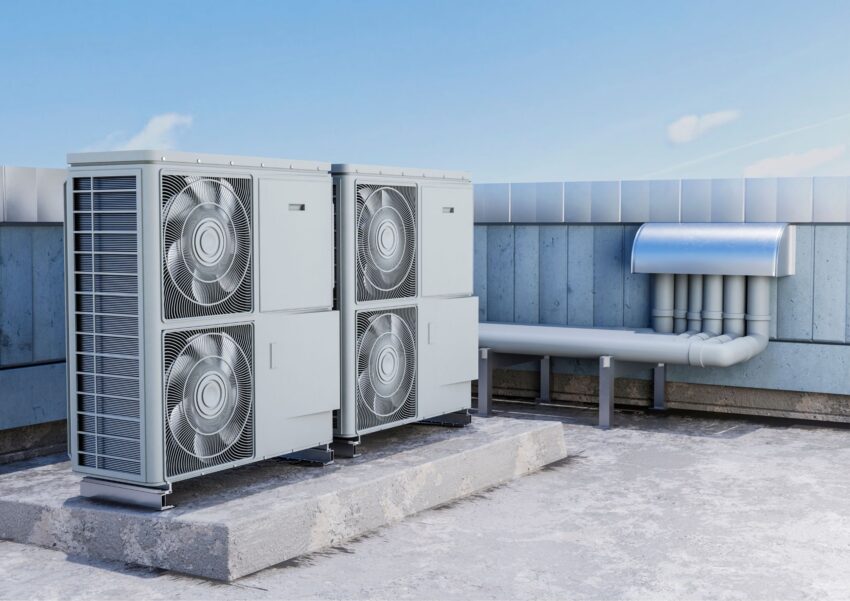
A closer look at how advanced HVAC systems are evaluated for efficiency, durability, and long-term indoor comfort in residential and commercial environments.
Modern heating and cooling technology continues to evolve as energy efficiency and indoor climate control become increasingly important for residential and commercial property owners. Advanced HVAC systems are now designed to improve airflow stability, reduce operational noise, and maintain consistent indoor temperatures during changing seasonal conditions. Many modern units also include smart controls that allow users to monitor performance and adjust settings with greater precision.
System performance is influenced by several important technical factors, including compressor efficiency, airflow design, insulation compatibility, and refrigerant management. Equipment with variable speed technology may help maintain balanced heating and cooling without placing unnecessary strain on system components. Proper installation practices are equally important because incorrect sizing or airflow configuration can reduce overall operational effectiveness.
Consumers often evaluate HVAC systems by examining long term reliability, maintenance requirements, and energy consumption patterns rather than focusing only on advertised specifications. Features such as corrosion resistant materials, advanced filtration systems, and optimized airflow pathways may contribute to more dependable operation over extended periods. Routine inspections and preventive maintenance can also support system durability and improve indoor comfort consistency throughout the year.
The PMCG10HD Unit is frequently discussed in conversations about climate control performance, efficiency standards, and equipment reliability. Understanding how HVAC systems operate under different environmental conditions can help property owners make informed decisions based on practical performance expectations, long term operating costs, and overall indoor comfort requirements for modern living spaces.
Energy conscious building management has encouraged attention toward HVAC efficiency ratings, airflow balance, and seasonal operating performance. Property owners frequently compare ventilation capacity, humidity control, and maintenance accessibility before selecting a system for long term use. Careful evaluation of installation standards, insulation compatibility, and service requirements can help reduce unexpected operational issues while supporting reliable indoor climate conditions across residential and commercial environments during every season.