
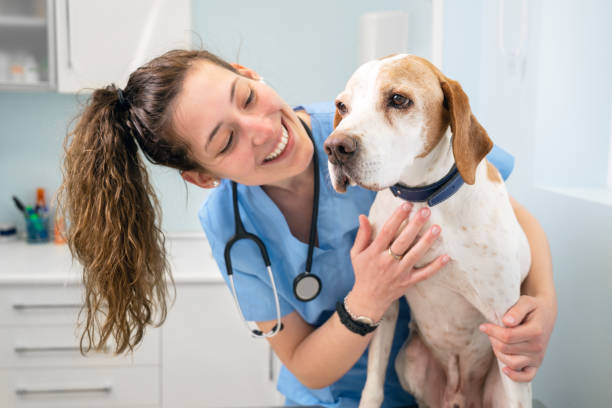
Preventive veterinary care is the foundation of a long, healthy, and happy life for pets. Rather than waiting for illness or injury to occur, proactive wellness strategies help detect problems early, reduce long-term medical costs, and improve overall quality of life. At Park Hills Animal Hospital, preventive care is not just a service—it is a philosophy built around compassion, expertise, and long-term partnerships with pet owners. This guide shares expert preventive care advice to help you make informed decisions for your pet’s lifelong well-being.
Understanding the Importance of Preventive Pet Care
Preventive care focuses on maintaining health rather than treating disease after it develops. Routine checkups, vaccinations, parasite control, and early diagnostics can significantly reduce the risk of serious conditions. Many illnesses, including diabetes, kidney disease, dental infections, and heart problems, show subtle early signs that only trained professionals can detect.
At Park Hills Animal Hospital, veterinarians emphasize early detection because it allows for simpler, less invasive treatments and better outcomes. Preventive care also strengthens the bond between pets and owners by ensuring pets stay active, comfortable, and pain-free throughout every life stage.
Routine Wellness Exams: The Cornerstone of Prevention
Regular wellness exams are essential for pets of all ages. Puppies and kittens need frequent visits to monitor growth and development, while adult and senior pets benefit from annual or biannual exams to track changes in health.
During a wellness visit at Park Hills Animal Hospital, veterinarians perform a thorough nose-to-tail examination, checking weight, heart and lung function, skin and coat condition, joints, eyes, ears, and teeth. These exams also provide an opportunity for pet owners to discuss behavior, diet, and lifestyle concerns. Consistent wellness exams create a health baseline, making it easier to identify subtle changes early.
Vaccinations and Disease Prevention Strategies
Vaccinations are one of the most effective tools in preventive veterinary medicine. They protect pets from contagious and potentially life-threatening diseases such as rabies, parvovirus, distemper, and feline leukemia.
The team at Park Hills Animal Hospital customizes vaccination schedules based on your pet’s age, lifestyle, and risk factors. This tailored approach avoids unnecessary vaccines while ensuring adequate protection. Preventive disease strategies also include monitoring regional disease risks and adjusting care plans as needed, helping keep pets safe in every environment.
Parasite Control for Year-Round Protection
Parasites such as fleas, ticks, heartworms, and intestinal worms pose serious health risks to pets and can even affect humans. These parasites can cause anemia, skin infections, heart disease, and digestive problems if left untreated.
Experts at Park Hills Animal Hospital recommend year-round parasite prevention tailored to your pet’s lifestyle and local exposure risks. Routine testing and preventive medications are far safer and more affordable than treating advanced infestations. Consistent parasite control protects not only your pet but your entire household.
Nutrition and Weight Management for Lifelong Health
Proper nutrition is a powerful form of preventive care. A balanced diet supports immune function, joint health, digestion, and energy levels. Poor nutrition or overfeeding, on the other hand, can lead to obesity, diabetes, arthritis, and heart disease.
At Park Hills Animal Hospital, veterinarians provide personalized nutritional counseling based on your pet’s age, breed, activity level, and medical history. Maintaining a healthy weight reduces strain on joints and organs, increases lifespan, and improves daily comfort. Preventive nutrition planning is one of the simplest ways to enhance long-term wellness.
Dental Care and Oral Health Maintenance
Dental disease is one of the most common yet overlooked health issues in pets. Plaque buildup can lead to gum infections, tooth loss, and bacteria entering the bloodstream, potentially affecting the heart, liver, and kidneys.
The veterinary team at Park Hills Animal Hospital stresses the importance of routine dental exams, professional cleanings, and at-home oral care. Preventive dental care reduces pain, improves breath, and supports overall systemic health. Early intervention can prevent the need for extractions and more invasive procedures later in life.
Senior Pet Preventive Care and Early Diagnostics
As pets age, their health needs change. Senior pets are more prone to arthritis, kidney disease, vision loss, and cognitive changes. Preventive care becomes even more critical during these years.
At Park Hills Animal Hospital, senior wellness programs include more frequent exams, bloodwork, and diagnostic screenings to monitor organ function and detect age-related conditions early. These proactive measures allow veterinarians to manage chronic issues effectively, keeping senior pets comfortable, active, and engaged for as long as possible.
Partnering with Your Veterinarian for Long-Term Wellness
Preventive care works best when pet owners and veterinarians collaborate closely. Open communication, consistent follow-ups, and adherence to recommended care plans create the strongest foundation for lifelong health.
The experts at Park Hills Animal Hospital view preventive care as a partnership built on trust and education. By empowering pet owners with knowledge and support, they help ensure pets receive the best possible care at every stage of life. From the first puppy visit to senior wellness planning, preventive care is an investment that pays off in years of companionship and joy.
Final Thoughts
Preventive care is the key to protecting your pet from avoidable illness and discomfort. Through routine exams, vaccinations, parasite prevention, nutrition guidance, dental care, and senior monitoring, pets can enjoy healthier, happier lives. The experienced team at Park Hills Animal Hospital is dedicated to providing expert preventive care tailored to each pet’s unique needs. By prioritizing prevention today, you give your pet the gift of a healthier tomorrow.