

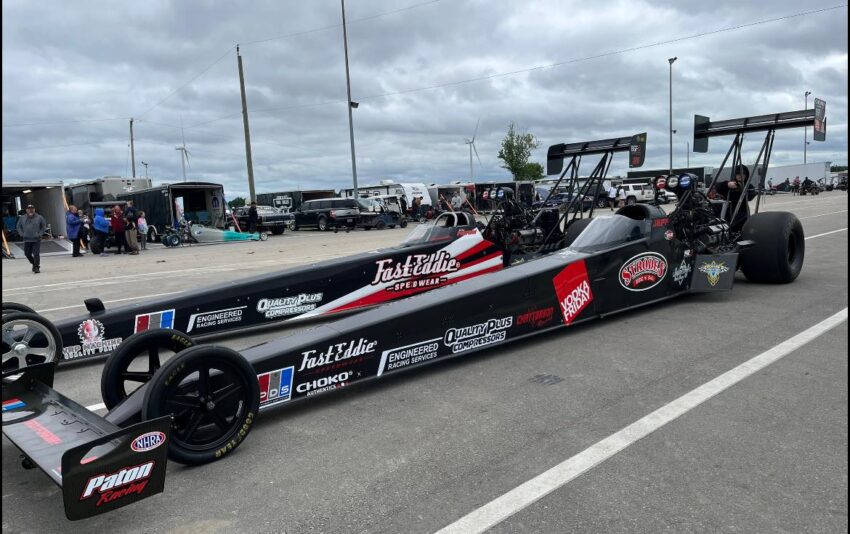
Whether you’re building a dedicated race car, preparing for track days, or upgrading your off-road vehicle, racing harnesses are among the most important safety components you can install. Unlike standard seat belts, racing harnesses are engineered to keep the driver securely positioned during high-speed cornering, heavy braking, and sudden impacts. The right harness not only improves safety but also enhances driver confidence and vehicle control.
At Engineered Racing Services, we help enthusiasts choose premium racing safety equipment that meets the demands of motorsport while delivering reliable performance on every lap.
Why Racing Harnesses Are Essential
A factory three-point seat belt is designed primarily for everyday road driving. While effective for normal traffic conditions, it allows more upper-body movement than is ideal during aggressive driving.
A racing harness distributes crash forces across the shoulders, chest, and pelvis using multiple anchor points. This design minimizes body movement, allowing drivers to maintain better control of the steering wheel and pedals while reducing fatigue throughout a race or track session.
Types of Racing Harnesses
Choosing the correct harness starts with understanding the available configurations.
Four-Point Harness
A four-point harness features two shoulder straps and two lap belts. It offers improved stability compared to a factory seat belt and is commonly used in track day and recreational performance vehicles.
Five-Point Harness
A five-point harness adds an anti-submarine strap between the legs. This additional strap helps prevent the driver from sliding underneath the lap belt during a collision.
Six-Point Harness
A six-point harness includes two anti-submarine straps for improved comfort and load distribution. It is widely used in professional motorsport because it offers superior safety and better driver positioning during high-G cornering.
Key Features to Look For
Not all racing harnesses are built the same. Consider these important features before making your purchase.
Safety Certification
Look for harnesses that meet recognized motorsport standards such as FIA or SFI certification. Certified harnesses undergo rigorous testing to ensure they perform reliably under extreme racing conditions.
Strap Width
Most racing harnesses feature 2-inch or 3-inch webbing. Wider straps distribute impact forces more evenly, while narrower shoulder straps may offer improved compatibility with modern racing seats and head restraint systems.
Buckle Design
Quick-release cam-lock buckles allow drivers to exit the vehicle rapidly after an incident while providing secure fastening during competition.
High-Quality Materials
Premium polyester webbing resists stretching, UV damage, and abrasion, maintaining consistent performance throughout the harness’s service life.
Selecting the Right Harness for Your Vehicle
Your vehicle type and intended use should guide your selection.
Track day enthusiasts often benefit from a quality four-point or five-point harness, while competitive racers generally require FIA-approved six-point systems. Off-road vehicles may also benefit from multi-point harnesses that keep occupants stable over rough terrain.
Always ensure the harness is compatible with your racing seat, roll cage, and mounting hardware.
Proper Installation Matters
Even the highest-quality racing harness cannot perform effectively if installed incorrectly.
Harness shoulder straps should be mounted at the proper angle behind the driver’s shoulders to reduce spinal compression during an impact. Lap belts must sit securely across the pelvic bones rather than the abdomen, while anti-submarine straps should prevent forward sliding without causing discomfort.
Using approved mounting points, reinforcement plates, and proper hardware is essential for maximum protection. Professional installation is strongly recommended for competition vehicles.
Common Mistakes to Avoid
Many drivers reduce the effectiveness of their harness by making avoidable errors.
Installing shoulder straps at incorrect angles, using worn or expired harnesses, mixing components from different manufacturers, or failing to tighten the belts properly can significantly reduce occupant protection. Regular inspection for fraying, damaged stitching, and worn hardware is equally important.
Maintaining Your Racing Harness
Routine maintenance extends both safety and service life.
Inspect the webbing before every event for cuts, fading, or abrasion. Check mounting bolts for proper torque and examine buckles for smooth operation. Keep the harness clean using manufacturer-approved cleaning methods, and replace it immediately after any major accident or when it reaches its certification expiration date.
Why Buy Racing Harnesses from Engineered Racing Services?
Choosing the right racing harness involves more than selecting a popular brand. Our experienced team understands the unique requirements of track cars, drag racers, off-road builds, and high-performance street vehicles. We offer premium racing harnesses from trusted manufacturers, ensuring every customer receives products that combine safety, durability, and performance.
Whether you’re upgrading your first project car or preparing a professional race vehicle, we provide expert guidance to help you select the ideal harness system for your application.
Conclusion
A racing harness is one of the most valuable safety investments you can make for any performance vehicle. By selecting the correct configuration, ensuring proper installation, and maintaining the harness regularly, you can significantly improve driver protection, vehicle control, and confidence on the track. Investing in a high-quality racing harness today helps ensure safer, more enjoyable performance driving for years to come.