
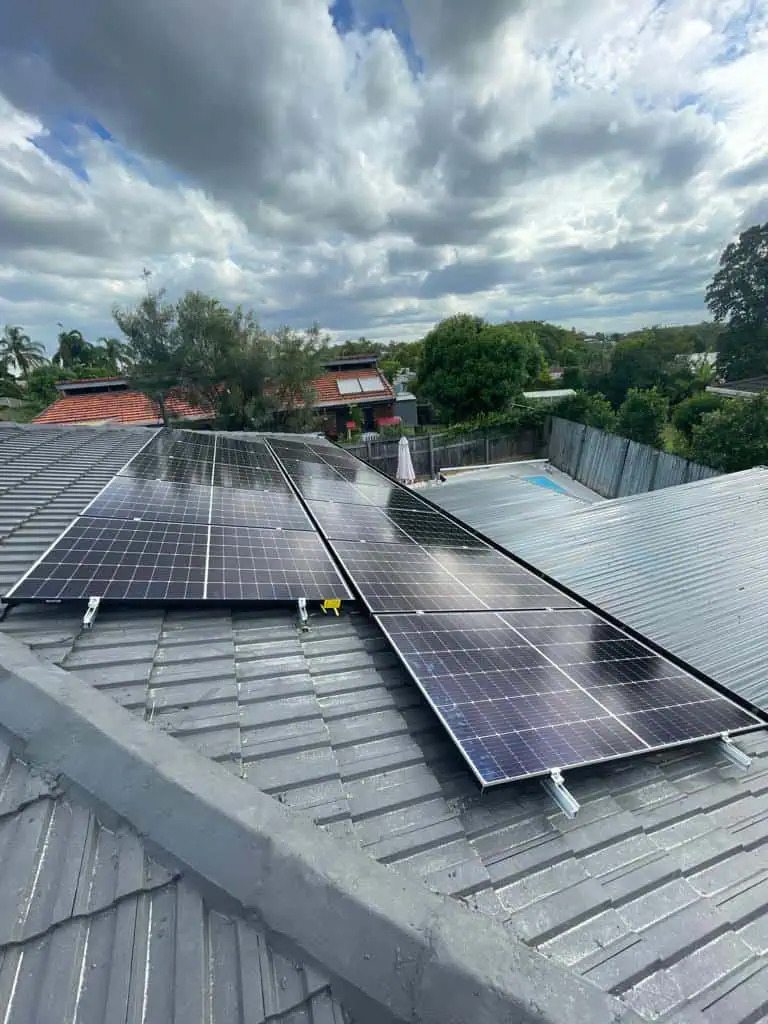
As the demand for clean and cost-effective energy grows, solar power has become an attractive option for homeowners. However, when it comes to apartment living, installing residential solar systems can be more complex than in independent houses. Limited space, shared infrastructure, and regulatory barriers often create challenges. Despite these hurdles, innovative solutions and evolving policies are making solar energy increasingly accessible for apartment residents.
Challenge 1: Limited Roof Space
One of the biggest obstacles in apartment complexes is the limited availability of roof space. Unlike standalone homes, where the entire roof can be utilized, apartment buildings must share this space among multiple residents. This often leads to conflicts over allocation and reduces the capacity for individual solar installations.
Solution:
A practical approach is to adopt a common solar system for the entire building. Instead of individual setups, housing societies can install a centralized solar plant that distributes electricity among residents. This not only optimizes the use of available space but also reduces installation costs per household.
Challenge 2: Ownership and Permission Issues
In apartments, the roof is typically considered a common area, meaning no single resident has exclusive rights to use it. Installing solar panels requires approval from the housing society or association, which can sometimes be difficult to obtain due to lack of awareness or differing opinions among residents.
Solution:
Clear communication and awareness campaigns can help address this issue. Educating society members about the financial and environmental benefits of solar energy can encourage collective decision-making. Additionally, government policies in many regions now support group solar installations, making it easier to gain approvals.
Challenge 3: Metering and Billing Complications
Managing electricity distribution and billing in a shared solar system can be challenging. Determining how much energy each household consumes and how savings are distributed can create confusion and disputes.
Solution:
Advanced metering systems and net metering policies provide effective solutions. Smart meters can accurately track individual consumption, while net metering allows excess energy to be fed back into the grid, generating credits for the society. Transparent billing mechanisms ensure fairness and clarity among residents.
Challenge 4: Structural and Technical Constraints
Not all apartment buildings are designed to support the additional weight and structure of solar panels. Factors like roof strength, orientation, and shading from nearby buildings can impact the efficiency of the system.
Solution:
Before installation, a professional site assessment is essential. Engineers can evaluate the building’s structural capacity and recommend suitable mounting systems. In cases where roof installation is not feasible, alternatives like solar carports or façade-mounted panels can be explored.
Challenge 5: High Initial Investment
For many apartment residents, the upfront cost of solar installation can be a concern, especially when the investment needs to be shared among multiple households.
Solution:
Group investment models significantly reduce the financial burden. Additionally, government subsidies, incentives, and financing options such as EMIs or solar leasing programs make solar systems more affordable. Over time, the reduction in electricity bills helps recover the initial investment.
Challenge 6: Maintenance Responsibility
In a shared setup, determining who is responsible for maintenance can be a challenge. Without proper management, the system’s performance may decline over time.
Solution:
Housing societies can assign maintenance responsibilities to a dedicated committee or outsource it to professional service providers. Annual maintenance contracts (AMCs) ensure regular inspection and upkeep, keeping the system efficient and long-lasting.
Conclusion
While residential solar installation in apartments comes with its own set of challenges, these are not insurmountable. With collective effort, proper planning, and the use of modern technology, apartment residents can successfully adopt solar energy. By addressing issues such as space constraints, permissions, and billing complexities, housing societies can unlock the full potential of solar power.
In today’s energy-conscious world, embracing solar solutions in apartments is not just an option—it is a forward-thinking step toward sustainability, reduced electricity costs, and a greener future.
Looking for reliable Brisbane solar companies to power your home or business? Get expert guidance, quality installation, and start saving on energy bills today.
Choose trusted Brisbane solar companies for efficient, cost-effective solar solutions—make the switch to clean energy now!