
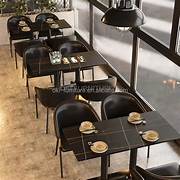
Restaurant furniture suppliers provide furniture solutions designed to meet the functional, aesthetic, and operational requirements of dining establishments. Restaurants need furniture that not only complements the interior design but also supports frequent use, customer comfort, efficient space utilization, and easy maintenance.
Material selection is an important consideration when choosing furniture for any environment. The same principles used in home furniture selection can be applied to restaurant furniture, but commercial dining spaces often require additional attention to durability, cleaning, seating capacity, and long-term performance.
What Is Restaurant Furniture?
Restaurant furniture includes the tables, chairs, counters, benches, booths, and storage solutions used throughout a dining establishment.
Common restaurant furniture includes:
- Dining tables
- Dining chairs
- Bar stools
- Booth seating
- Benches
- Reception counters
- Bar counters
- Service counters
- Storage cabinets
- Outdoor furniture
Each piece can be selected or customized according to the restaurant’s layout and design concept.
Importance of Quality Restaurant Furniture
Restaurant furniture experiences frequent daily use. Customers sit, move, and interact with furniture throughout their visit, while staff regularly clean and reposition different pieces.
Quality furniture can help provide:
- Customer comfort
- Better durability
- Efficient space utilization
- Attractive presentation
- Easier maintenance
- Consistent interior styling
Furniture should be selected according to the expected level of usage and the type of restaurant.
Customized Restaurant Furniture
Customized furniture allows restaurants to create designs that fit their available space and branding requirements.
Customization can include:
- Table dimensions
- Chair designs
- Seating configurations
- Counter sizes
- Upholstery
- Colors
- Finishes
- Storage arrangements
This can be particularly useful for restaurants with distinctive interiors or limited floor space.
Restaurant Dining Tables
Dining tables are among the most important pieces of restaurant furniture. Their size and shape influence seating capacity and customer movement.
Common options include:
- Square tables
- Rectangular tables
- Round tables
- Oval tables
- Communal tables
- Custom-shaped tables
The choice should consider the restaurant’s floor plan, seating requirements, and design concept.
Restaurant Chairs
Comfortable seating contributes directly to the customer experience.
Restaurant chairs can be manufactured using:
- Solid wood
- Plywood
- Metal
- Upholstered materials
- Engineered wood
- Combination materials
The design should provide suitable support while complementing the tables and surrounding interior.
Booth Seating
Booth seating can create a comfortable and distinctive dining environment while making effective use of wall-side areas.
Customized booths can include:
- Fixed benches
- Backrests
- Upholstered seating
- Integrated tables
- Storage compartments
The upholstery and structure should be selected according to expected usage and maintenance requirements.
Bar and Counter Furniture
Restaurants with bars or service counters may require specialized furniture solutions.
These can include:
- Bar counters
- Bar stools
- Back-bar storage
- Service counters
- Display cabinets
- Storage units
The height, dimensions, and materials should be coordinated with the overall interior design.
Materials for Restaurant Furniture
Material selection has a significant impact on the appearance, durability, and maintenance requirements of restaurant furniture.
Common materials include:
- Solid wood
- MDF
- Plywood
- Metal
- Veneer
- Laminate
- Glass
- Acrylic
The appropriate material depends on the furniture type, expected usage, environmental conditions, and desired finish.
MDF and Plywood in Restaurant Furniture
The principles of home furniture material selection can provide a useful starting point when comparing MDF and plywood for restaurant applications.
MDF provides a smooth and uniform surface that can work well for painted or finished furniture components. Plywood has a layered construction and can offer useful strength for applications where structural performance is important.
The best option depends on the specific furniture design and intended use rather than choosing one material for every application.
Restaurant Furniture Finishes
Finishes can help furniture coordinate with the restaurant’s overall interior theme.
Possible finishes include:
- Natural wood
- Veneer
- Laminate
- PU finishes
- Painted surfaces
- Metallic accents
A consistent finish across tables, counters, cabinets, and other furniture can create a cohesive appearance.
Furniture for Different Restaurant Styles
Different restaurant concepts may require different furniture designs.
Fine-Dining Restaurants
Fine-dining spaces may use sophisticated furniture with premium finishes, upholstered seating, and carefully coordinated tables.
Casual Restaurants
Casual dining spaces often prioritize comfort, durability, and easy maintenance.
Cafés
Cafés may use compact tables, chairs, stools, benches, and flexible seating arrangements.
Contemporary Restaurants
Modern restaurants may incorporate metal, glass, wood, and minimalist furniture designs.
Space-Efficient Restaurant Furniture
Restaurant layouts need to balance seating capacity with comfortable customer movement.
Space-efficient furniture can include:
- Compact tables
- Wall-side benches
- Stackable chairs
- Flexible seating
- Built-in booths
- Multi-purpose counters
Proper planning can help maximize usable dining space without making the environment feel overcrowded.
Choosing Restaurant Furniture Suppliers
When selecting restaurant furniture suppliers, consider:
- Manufacturing experience
- Material quality
- Customization capabilities
- Furniture durability
- Finish quality
- Hardware quality
- Production capacity
- Quality-control procedures
- Delivery and installation support
Reviewing previous hospitality projects can also help evaluate the supplier’s workmanship.
Professional Furniture Installation
Installation is an important part of completing a restaurant furniture project.
Professional installation can ensure:
- Proper table alignment
- Stable seating
- Accurate counter placement
- Secure fixtures
- Correct positioning
- Consistent overall appearance
This is particularly important for large restaurants and hospitality projects.
Maintenance of Restaurant Furniture
Restaurant furniture requires regular maintenance because of frequent customer use and daily cleaning.
Good practices include:
- Regular cleaning
- Promptly removing spills
- Checking hardware
- Repairing damaged surfaces
- Maintaining upholstery
- Following material-specific cleaning instructions
Proper maintenance can help extend furniture life and preserve its appearance.
Why Choose Professional Restaurant Furniture Suppliers?
Experienced suppliers can provide:
- Customized furniture
- Multiple material choices
- Consistent manufacturing
- Coordinated finishes
- Commercial-grade solutions
- Professional installation
- Support for large projects
Working with one experienced supplier can also make it easier to maintain consistency across different furniture pieces.
Conclusion
Restaurant furniture suppliers provide essential furniture solutions for dining spaces, cafés, bars, and hospitality environments. From dining tables and chairs to booths, counters, stools, and storage units, furniture can be customized to meet specific functional and aesthetic requirements.
Material selection is an important part of the process. The principles of home furniture selection, including evaluating materials, finishes, durability, and design, can help inform restaurant furniture choices as well. By selecting suitable materials, professional manufacturing, quality finishes, and reliable installation, restaurants can create comfortable, attractive, and functional dining environments.