

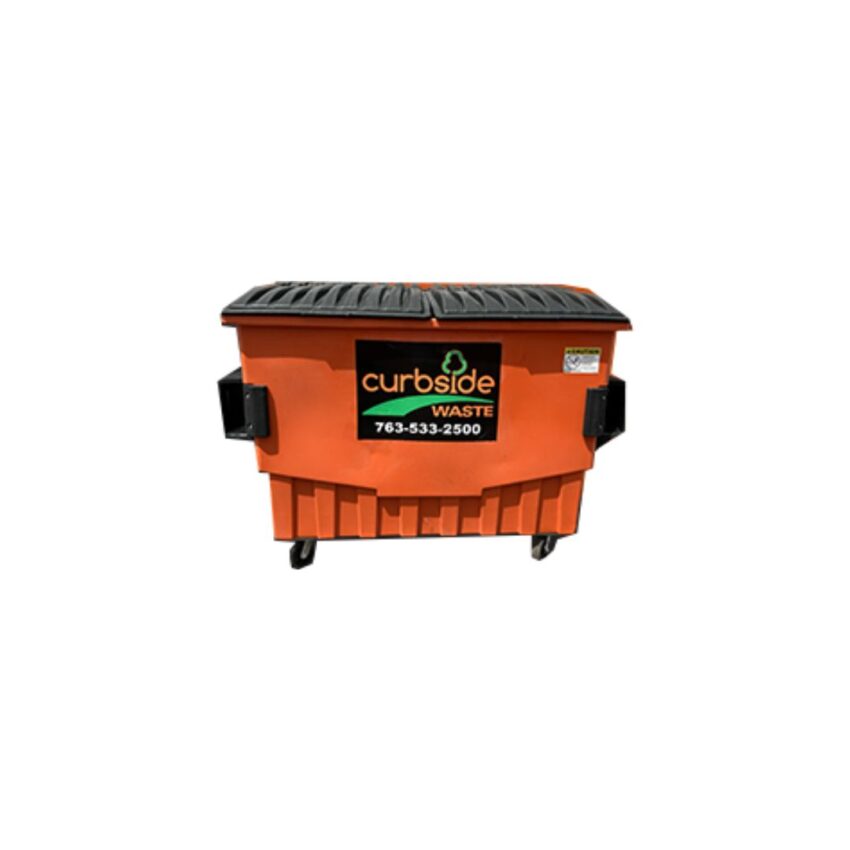
A home improvement job rarely creates all its debris at once. It starts with a few boxes, scraps, or removed fixtures, then quickly turns into piles of flooring, drywall, cabinets, wood, or other materials. If you are looking for roll-off dumpsters for home projects Minneapolis, a temporary container can give that debris a designated place to go instead of letting it spread across the driveway, garage, or work area.
Why Can Home Projects Create So Much Waste?
Even a relatively contained renovation can produce more debris than a household trash cart is designed to handle. Removing old kitchen cabinets, replacing bathroom fixtures, tearing out flooring, or clearing a basement can leave bulky materials behind before the new work even begins.
Roofing projects can create another type of challenge. Shingles and related materials can accumulate quickly as sections of the roof are removed. A roll-off container lets homeowners or their contractors place debris directly into one location as the work progresses.
Large cleanouts can create a similar situation. An attic, garage, basement, or recently inherited property may contain furniture, boxes, broken household items, and other unwanted materials that are difficult to manage through regular collection.
Your Cleanup Plan Should Follow the Work
The best time to think about debris management is before demolition or removal starts. Waiting until piles have already formed can make a job harder to organize.
Start by considering:
- What materials will be removed?
- How much debris could the work produce?
- Where can a container safely sit?
- How long is the work expected to last?
- When will the container need to be picked up?
These details can make the difference between having a practical disposal setup and repeatedly moving debris around the property.
When Does a Roll-Off Dumpster Make Sense?
A roll-off dumpster can be useful when the volume, size, or type of debris goes beyond what regular residential collection can reasonably handle. Common home uses include:
- Kitchen and bathroom renovations
- Basement, attic, and garage cleanouts
- Flooring and drywall removal
- Roofing projects
- Deck or shed removal
- Small demolition jobs
- Moving or estate cleanouts
- Larger home renovation work
For homeowners comparing roll-off dumpsters Minneapolis, the nature of the job matters more than simply estimating how many bags of trash will be produced. Bulky materials can fill a container quickly, while heavier debris may require different planning.
How Can You Keep Debris From Taking Over the Property?
A simple approach is to move debris into the container as each part of the job is completed. Old cabinets can go in after removal. Flooring can be loaded as rooms are cleared. Broken fixtures, wood scraps, and other permitted materials can follow instead of accumulating beside the house.
This approach keeps the work area more usable and reduces the need to create temporary piles that must later be moved again.
It also helps separate the active workspace from the debris itself. When the container has a defined location, everyone working on the job knows where unwanted materials should go.
Good Placement Makes the Work Easier
Where the container sits can affect how smoothly materials move from the house to the dumpster. A driveway may be convenient, but homeowners should consider more than just available ground space.
Look for potential obstacles such as:
- Low tree branches
- Narrow entrances
- Gates or fences
- Parked vehicles
- Utility equipment
- Limited space around the work area
The delivery area should provide enough access for the roll-off truck and leave a practical path for loading. Checking these details before delivery can prevent last-minute changes.
In Closing
Home projects are easier to manage when removed materials have somewhere to go throughout the job. Instead of allowing debris to build up in several parts of the property, a roll-off container creates one designated place for permitted materials.
For homeowners researching roll-off dumpsters for home projects Minneapolis, the right choice depends on the type of work, expected debris, available placement area, container size, and project timeline. When those details are considered ahead of time, waste handling becomes a planned part of the job rather than another problem to solve halfway through it.