
A damaged or infected tooth nerve can cause significant discomfort and may affect everyday activities such as eating, drinking, and sleeping. Advances in modern dentistry now allow many patients to receive treatment in fewer visits than ever before. Seeking care, Seeking immediate relief, many patients Individuals choose The
Single Sitting Root Canal in Chitradurga when they need timely care for an infected tooth. when they need timely care for an infected tooth.
Single-visit treatment has become increasingly popular because it combines convenience, efficiency, and effective infection management. Understanding when this treatment is recommended and how it works can help patients make informed decisions about their dental health.
Understanding Tooth Nerve Problems
Inside every tooth is a soft tissue called pulp, which contains nerves and blood vessels that help maintain the tooth during development. When this tissue becomes inflamed or infected, discomfort and sensitivity can occur.
One common question patients ask is What causes damage to the tooth nerve.
Several factors may contribute to nerve damage, including:
-
Deep dental decay
-
Untreated cavities
-
Tooth fractures
-
Dental trauma
-
Repeated dental procedures
-
Severe infections
When these problems reach the inner portion of the tooth, professional treatment may become necessary.
When Is Tooth Nerve Treatment Necessary?
Many individuals wonder When is tooth nerve treatment necessary after experiencing persistent dental discomfort.
Treatment is often recommended when the nerve tissue becomes inflamed or infected and can no longer recover naturally. Symptoms may include ongoing pain, sensitivity to temperature changes, swelling, or discomfort while chewing.
Experiencing these symptoms may require Tooth Nerve Treatment in Chitradurga to eliminate infection and preserve the natural tooth.
Deep Tooth Decay and Pulp Infection
One of the leading causes of nerve damage is Deep Tooth Decay.
When cavities are left untreated, bacteria can gradually penetrate deeper layers of the tooth and eventually reach the pulp. Once infection reaches this area, the tooth may become painful and increasingly vulnerable to further damage.
Prompt intervention often improves treatment outcomes and helps prevent complications.
Can an Infected Tooth Nerve Heal Without Treatment?
A common concern among patients is Can an infected tooth nerve heal without treatment.
In many cases, once significant infection develops inside the pulp, professional dental care is required. While symptoms may temporarily decrease, the underlying infection often remains present and can continue progressing.
Ignoring an infected nerve may increase the risk of pain, swelling, and additional oral health complications over time.
Dental Nerve Care and Long-Term Oral Health
Proper Dental Nerve Care plays an important role in preserving natural teeth and preventing severe infections.
Regular dental examinations, prompt treatment of cavities, and maintaining good oral hygiene habits help reduce the likelihood of nerve-related dental problems. Preventive care remains one of the most effective ways to protect oral health.
Early diagnosis often allows for more conservative treatment approaches.
What Is a Single Sitting Root Canal?
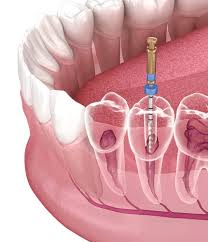
A single sitting root canal is a procedure in which infection is treated and the root canal process is completed during one appointment whenever clinically appropriate.
This approach eliminates the need for multiple treatment visits in selected cases. Modern technology and improved treatment methods have made same-day procedures increasingly efficient and predictable.
Many patients appreciate the convenience associated with Single Visit Dental Care because it minimizes disruptions to their schedules.
How Long Does a Single Sitting Root Canal Take?
Patients frequently ask How long does a single sitting root canal take before scheduling treatment.
The duration depends on factors such as the tooth involved, the complexity of the infection, and the overall condition of the tooth. Some procedures may be completed relatively quickly, while others require additional clinical time.
A professional evaluation helps determine whether a patient is a suitable candidate for single-visit treatment.
Benefits of Single Sitting Root Canal Treatment
Understanding the Benefits of single sitting root canal treatment can help patients evaluate whether this option is right for them.
Potential advantages may include:
-
Fewer dental appointments
-
Faster treatment completion
-
Reduced disruption to daily activities
-
Earlier restoration of comfort
-
Efficient infection management
Not every case is suitable for a single-visit procedure, but many patients appreciate the convenience when appropriate.
Managing Infected Tooth Nerves
Effective Infected Nerve Management is essential for preserving the health and function of a damaged tooth.
Treatment focuses on removing infected tissue, disinfecting the internal canals, and protecting the tooth from future bacterial contamination. Proper management helps reduce symptoms while supporting long-term oral health.
Early care often improves the chances of maintaining the natural tooth.
Tooth Sensitivity and Underlying Problems
Many patients initially seek care because of sensitivity to hot, cold, or sweet foods.
The Professional Tooth Sensitivity Treatment may be necessary when sensitivity results from deeper dental problems rather than minor enamel irritation.
Persistent sensitivity can indicate pulp inflammation or infection that requires further evaluation. Addressing symptoms early can help prevent worsening discomfort.
Dental Pulp Therapy and Tooth Preservation
Modern Dental Pulp Therapy aims to treat internal tooth infections while preserving natural tooth structure whenever possible.
Saving a natural tooth generally provides better chewing function, improved bite stability, and long-term oral health benefits. Root canal procedures remain one of the most effective methods for achieving these goals.
Tooth preservation is often preferable to extraction whenever clinically appropriate.
Fast Root Canal Solutions for Busy Patients
The demand for Fast Root Canal Solutions continues to grow as patients seek effective treatment with minimal disruption to their routines.
Advancements in dental technology have improved both treatment efficiency and patient comfort. These developments allow many procedures to be completed more predictably than in previous years.
Modern treatment methods continue to enhance the patient experience.
Emergency Tooth Treatment for Sudden Pain
Severe dental pain often requires immediate attention. In many cases, Emergency Tooth Treatment may be recommended when infection causes intense discomfort or swelling.
Seeking prompt professional care helps address the source of the problem before additional complications develop. Early intervention remains an important part of successful dental care.
Root Canal Therapy and Modern Dentistry
Patients exploring treatment options may eventually require Root Canal Therapy in Chitradurga when infection affects the inner structures of a tooth.
Modern root canal procedures are designed to remove infection, preserve natural teeth, and improve comfort. Advances in technology have made treatment more efficient and patient-friendly than ever before.
Tooth Sensitivity Relief After Treatment
Following successful treatment, many patients experience significant Tooth Sensitivity Relief as inflammation and infection are addressed.
Reducing sensitivity often improves comfort while eating and drinking, allowing patients to return to normal daily activities more comfortably.
Proper follow-up care helps support lasting treatment success.
FAQs
1. How long does a single sitting root canal take?
The treatment duration varies depending on the complexity of the case and the condition of the affected tooth.
2. When is tooth nerve treatment necessary?
It is typically recommended when infection or inflammation affects the dental pulp and causes persistent symptoms.
3. What are the benefits of single sitting root canal treatment?
Benefits may include fewer visits, faster completion, and improved convenience for eligible patients.
4. Can an infected tooth nerve heal without treatment?
In most cases, professional treatment is required once significant infection develops within the pulp.
5. What causes damage to the tooth nerve?
Deep decay, trauma, fractures, untreated cavities, and severe infections are common causes.
Conclusion
Treating dental nerve infections promptly can help preserve natural teeth and prevent more serious oral health complications. Modern treatment options provide effective infection management while improving convenience and patient comfort. Understanding the symptoms of nerve damage and seeking professional care early can significantly improve treatment outcomes.
SmyleXL Single Sitting RCT focuses on delivering advanced endodontic care designed to address infection efficiently while preserving natural tooth structure. professional evaluation can help determine the most suitable treatment approach for maintaining a healthy and comfortable smile.