
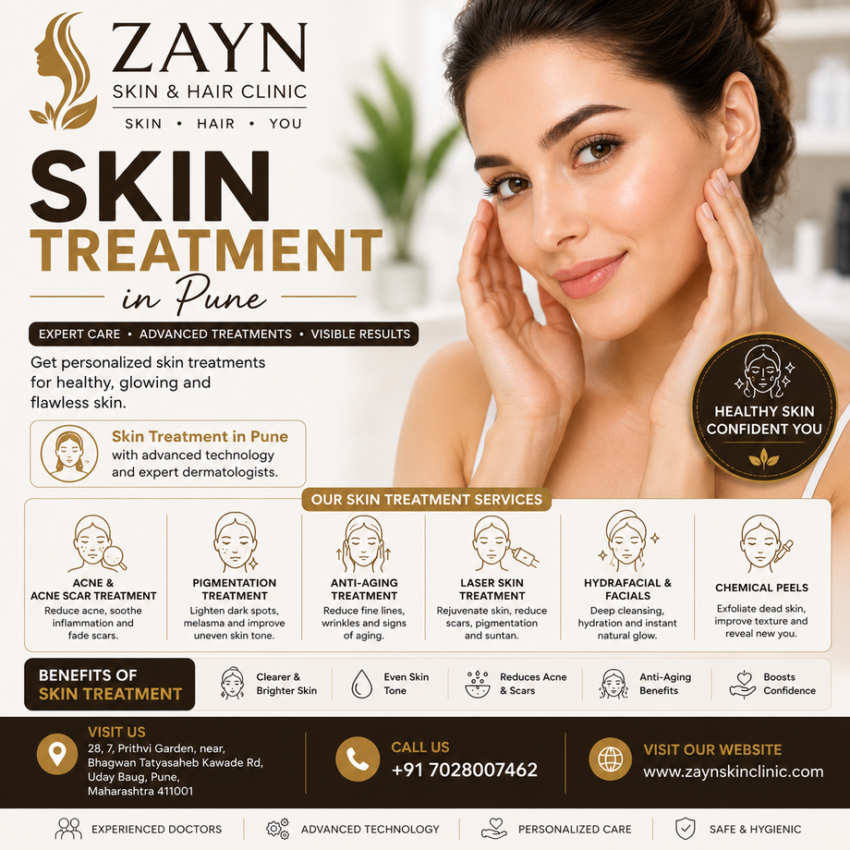
Healthy skin can contribute to both physical comfort and confidence. However, concerns such as acne, pigmentation, dryness, excessive oiliness, rashes, scars, and signs of ageing can affect people at different stages of life. While basic skin care can support general skin health, persistent or complicated concerns may require professional assessment. For individuals looking for a skin clinic pune, understanding the services, consultation process, and factors involved in choosing a clinic can help them make informed decisions.
Understanding the Role of a Skin Clinic
A skin clinic can provide professional evaluation and management for a wide range of skin concerns. Depending on the clinic and the qualifications of its medical professionals, services may include dermatological consultations, acne management, pigmentation assessment, scar treatment, hair and scalp evaluation, and selected cosmetic procedures.
The first step is generally a consultation. A professional may examine the skin, discuss symptoms and medical history, and identify factors that could be contributing to the concern.
Treatment should ideally be based on an individual’s skin condition rather than a generic routine.
Common Skin Concerns
People visit skin clinics for many different reasons. Some common concerns include:
- Acne and pimples
- Acne scars
- Uneven skin tone
- Pigmentation
- Dry or sensitive skin
- Excessive oiliness
- Skin allergies
- Rashes
- Fine lines
- Sun-related skin changes
- Enlarged pores
- Certain skin infections
The cause and severity of these concerns can vary considerably. Professional assessment can help determine the appropriate approach.
Importance of a Skin Assessment
A skin assessment allows a medical professional to understand the patient’s specific concern. During a consultation, the professional may ask when the problem started, whether it has changed, what products are currently being used, and whether any previous treatments have been tried.
Medical history, allergies, medications, lifestyle factors, and sun exposure may also be relevant.
A detailed assessment is particularly important when symptoms are persistent, painful, rapidly changing, or associated with other health concerns.
Acne and Breakout Management
Acne is one of the most common reasons people seek professional skin care. It can appear during adolescence or adulthood and may involve blackheads, whiteheads, inflammatory pimples, or deeper lesions.
Several factors can contribute to acne, including hormones, genetics, oil production, blocked pores, and certain environmental or lifestyle factors.
Treatment depends on the type and severity of acne. A professional may recommend topical products, prescription treatments, lifestyle adjustments, or other suitable options.
Repeatedly picking or squeezing pimples can increase inflammation and may contribute to scarring.
Managing Acne Scars
Acne can sometimes leave behind changes in skin texture or colour. These may include dark marks, red marks, or depressed scars.
The appropriate approach depends on the type and severity of the scarring. Professional assessment can help determine whether topical treatment, procedures, or a combination of approaches may be suitable.
Patients should understand that scar improvement can take time and that treatment results vary between individuals.
Pigmentation and Uneven Skin Tone
Pigmentation concerns can develop for many reasons, including sun exposure, hormonal changes, inflammation, and certain skin conditions.
Before choosing a treatment, it is useful to understand the possible cause of the pigmentation.
Sun protection is often an important part of managing pigmentation because ultraviolet exposure can contribute to changes in skin colour and may make some pigmentation concerns more noticeable.
Skin Rejuvenation
As people age, the skin naturally changes. Fine lines, changes in elasticity, uneven texture, and pigmentation may become more noticeable.
Some skin clinics offer cosmetic procedures designed to improve particular aspects of skin appearance. These can include selected chemical peels, laser-based treatments, or other procedures depending on the clinic and patient’s suitability.
A consultation should take place before any procedure to determine whether it is appropriate.
Importance of Sun Protection
Sun exposure is one of the important environmental factors affecting skin health. Ultraviolet radiation can contribute to premature skin ageing and is also associated with certain skin cancers.
Practical sun-protection habits may include using an appropriate sunscreen, wearing protective clothing, seeking shade, and limiting unnecessary exposure during periods of strong sunlight.
Consistent sun protection can also be particularly relevant for people managing pigmentation concerns.
Skin Care for Different Skin Types
Skin can vary considerably from person to person. Some individuals have naturally oily skin, while others experience dryness or sensitivity.
A basic routine may include gentle cleansing, appropriate moisturization, and sun protection. However, people with specific skin conditions may require additional products or medical treatment.
Using too many active ingredients at the same time can sometimes irritate the skin. Introducing products carefully and seeking professional guidance when necessary can help reduce unnecessary irritation.
Choosing a Skin Clinic in Pune
Pune has various clinics offering dermatology and cosmetic skin services. Patients can consider several factors when comparing providers.
Professional Qualifications
Check the qualifications and relevant specialist training of the medical professional.
Experience
Relevant experience with a particular skin concern can be useful when choosing a provider.
Consultation Process
A detailed consultation should allow the patient to explain concerns and understand possible treatment options.
Treatment Safety
For procedures involving devices, injections, or other interventions, patients should ask about safety measures and professional supervision.
Follow-Up Care
Understanding the follow-up process can be helpful, particularly when a treatment requires multiple sessions or monitoring.
Questions to Ask Before a Skin Treatment
Patients can prepare questions before their consultation, such as:
- What may be causing my skin concern?
- Is treatment medically necessary?
- Which options are available?
- What are the possible side effects?
- How many sessions might be required?
- What results are realistic?
- What preparation is needed?
- What aftercare will be required?
- Are there alternatives to the proposed treatment?
Clear communication can help patients understand their options before beginning treatment.
Professional Treatment vs. Online Skin Trends
Social media and online platforms frequently promote skin-care routines and cosmetic treatments. However, a product or procedure that works for one person may not be appropriate for another.
Skin concerns can have different causes, and professional assessment can help distinguish between them.
Patients should be cautious about claims promising instant or guaranteed results.
Maintaining Healthy Skin at Home
Professional care can be supported by simple everyday habits. Gentle cleansing, suitable moisturization, consistent sun protection, adequate hydration, and avoiding unnecessary skin irritation can contribute to general skin health.
People with diagnosed skin conditions should follow the recommendations provided by their healthcare professional.
It can also be helpful to introduce new skin-care products gradually rather than changing an entire routine at once.
When to Seek Professional Advice
Persistent rashes, unexplained skin growths, significant changes in moles, recurring infections, severe acne, unusual pigmentation, or symptoms that do not improve with basic care may require professional evaluation.
Seeking advice can help determine whether the problem requires medical treatment, monitoring, or routine skin-care adjustments.
Conclusion
Professional skin care can help individuals understand and manage a wide range of concerns, from acne and pigmentation to scars, sensitivity, and age-related skin changes. When choosing a skin clinic pune, patients can consider medical qualifications, relevant experience, consultation quality, treatment safety, available services, and follow-up care. A personalized assessment is important because skin concerns can have different causes and may require different approaches. Along with professional guidance, consistent sun protection, gentle skin care, and healthy daily habits can support long-term skin health.