
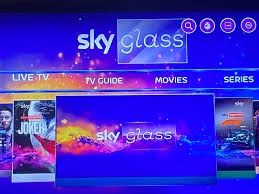
Modern television viewing has changed significantly. Instead of relying entirely on traditional broadcast schedules, viewers increasingly expect flexible entertainment, convenient access, high-quality streaming, and a setup that works smoothly across their devices. A smart TV can become the centre of a complete home entertainment system when it is configured correctly.
For households looking to improve their viewing experience, Sky Glass IPTV UK can be part of a broader smart TV setup that combines compatible applications, a reliable internet connection, suitable hardware, and carefully selected entertainment services. The goal is not simply to add more channels or applications. It is to create a system that feels fast, organised, reliable, and easy to use.
A well-planned setup can also reduce common problems such as buffering, poor picture quality, complicated navigation, audio delays, and inconsistent streaming performance. By understanding the key elements of a smart TV environment, we can make better decisions about connectivity, applications, network performance, and device configuration.
What Is Sky Glass IPTV UK?
The phrase Sky Glass IPTV UK is commonly used when discussing IPTV-style television streaming on or alongside Sky Glass smart TV environments. IPTV, or Internet Protocol Television, delivers television and video content through an internet connection rather than relying exclusively on traditional terrestrial, satellite, or cable broadcasting.
This approach can provide a more flexible viewing experience because content is delivered digitally over a network. Depending on the service and application being used, viewers may have access to live television, on-demand programming, catch-up features, electronic programme guides, and other entertainment options.
However, compatibility is important. Sky Glass is a specific smart television platform, so not every IPTV application or service will necessarily operate directly on the television. We should therefore check application availability, device compatibility, service requirements, and legitimate access arrangements before choosing a setup.
Why Improve Your Smart TV Entertainment Setup?
A smart television can do much more than display programmes. With the right configuration, it can function as a central entertainment hub for streaming, live television, on-demand content, music, gaming, and other digital services.
An improved setup offers several practical advantages:
- Faster access to frequently used applications
- Better streaming stability
- More consistent picture quality
- Easier content discovery
- Improved audio performance
- Less network congestion
- Cleaner application organisation
- Greater convenience for different household users
Instead of continuously troubleshooting individual problems, we can create a system where the television, router, applications, and connected devices work together efficiently.
Choose a Reliable Internet Connection
Internet performance is one of the most important factors in any IPTV or smart TV setup. Even an excellent television can struggle when the network connection is unstable.
We should consider both speed and stability. A fast connection is useful, but consistent performance is equally important. Sudden drops in bandwidth, wireless interference, or network congestion can cause buffering and interruptions.
For the best results, we should:
- Place the router in a suitable central location.
- Keep unnecessary obstacles away from the router.
- Use a modern Wi-Fi standard where possible.
- Connect important devices through Ethernet when practical.
- Avoid downloading large files while watching high-resolution video.
- Check whether other household devices are consuming significant bandwidth.
A wired Ethernet connection can be particularly useful for stationary entertainment equipment because it can provide more consistent performance than congested wireless networks.
Use Ethernet When Maximum Stability Matters
Wi-Fi is convenient, but Ethernet can offer a major advantage for fixed smart TV installations.
When the television or streaming device is close enough to the router, an Ethernet connection can reduce the effects of wireless interference. This is especially useful in homes with several smartphones, laptops, tablets, consoles, cameras, and smart home devices connected simultaneously.
If Ethernet installation is practical, we should consider it for the main television setup. If wired networking is not possible, a modern dual-band or tri-band Wi-Fi system can still provide excellent results when configured correctly.
Optimise Your Wi-Fi Network
For users who rely on wireless connectivity, router placement matters. A router hidden inside a cabinet or placed behind several large objects may provide weaker coverage.
We should position the router where its wireless signal can travel effectively throughout the home. It is also useful to select the appropriate Wi-Fi frequency. The 5 GHz band can provide strong performance at shorter distances, while 2.4 GHz generally offers greater range but may experience more interference.
Newer Wi-Fi technologies can also help households where multiple devices are active at the same time.
Keep Your Smart TV Software Updated
Software updates should not be ignored. Television manufacturers regularly release updates that can improve performance, security, application compatibility, and system stability.
We should periodically check for available updates on the television. Applications should also be kept current when updates are available.
An outdated operating system can sometimes create compatibility problems that appear to be related to the IPTV service itself. Updating the television and applications can therefore be one of the simplest troubleshooting steps.
Organise Your Streaming Applications
A cluttered smart TV interface can make entertainment unnecessarily frustrating.
Instead of keeping dozens of rarely used applications on the home screen, we can organise the television around the services used most frequently. Place regular streaming and entertainment applications where they can be accessed quickly.
A practical layout might include:
- Live TV applications
- On-demand streaming services
- Catch-up applications
- Music services
- Media players
- Gaming applications
- Utility applications
This approach makes the television easier for everyone in the household to operate.
Select Compatible IPTV Applications Carefully
When using IPTV technology, the application is an important part of the experience. Different applications can offer different interfaces, electronic programme guides, playback controls, playlist support, and device compatibility.
Before installing an application, we should verify that it supports the television or streaming device being used. We should also consider whether it receives regular updates and whether its interface is easy to navigate.
Not every IPTV application is designed for every smart TV platform. Compatibility should always be confirmed rather than assumed.
Improve Picture Quality
A high-quality display deserves appropriate streaming settings.
If the television supports 4K resolution, the content source and network connection must also support the required quality for genuine 4K playback. Simply owning a 4K television does not automatically make every stream 4K.
We should also review the television’s picture settings. Depending on the room and content, useful adjustments may include brightness, contrast, sharpness, motion processing, and picture mode.
A balanced configuration can provide a more natural image without making the picture excessively bright or artificially sharp.
Understand Resolution and Bitrate
Resolution is only one part of streaming quality. Bitrate also plays a major role.
A stream with a high resolution but inadequate bitrate may still appear disappointing. Conversely, a well-encoded stream with an appropriate bitrate can look much better than expected.
This is why we should evaluate overall streaming quality rather than focusing exclusively on labels such as HD, Full HD, or 4K.
Network stability, encoding quality, server performance, and device compatibility can all influence the final viewing experience.
Reduce IPTV Buffering Problems
Buffering is one of the most common complaints associated with internet-based television. Fortunately, several potential causes can be addressed.
First, we should determine whether the issue affects one service or all streaming applications. If Netflix, YouTube, and other services work normally while one particular service constantly buffers, the problem may not be the home internet connection.
If every streaming service struggles, the network should be investigated.
Useful steps include:
- Restarting the router
- Restarting the television
- Testing the internet connection
- Switching from Wi-Fi to Ethernet
- Reducing network activity
- Updating applications
- Closing unnecessary background applications
- Checking service performance at different times
Avoid repeatedly changing settings without identifying the cause. A structured troubleshooting process is more effective.
Improve Audio for a Better Experience
Picture quality receives most of the attention, but audio can dramatically affect the viewing experience.
A compatible soundbar or home audio system can improve dialogue clarity, soundstage, and overall immersion. However, we should ensure that the television and audio equipment use compatible connection standards.
HDMI ARC or eARC can be particularly useful for modern entertainment systems because they can simplify audio connections between the television and compatible sound equipment.
For everyday viewing, a well-positioned soundbar can provide a significant improvement over built-in television speakers.
Consider a Dedicated Streaming Device
Sometimes the television itself is not the ideal platform for every application. A dedicated streaming device can provide another option.
External devices may offer broader application support, faster interfaces, more frequent software updates, or easier navigation. They can also be replaced independently if technology changes.
This is particularly useful when a smart TV platform has limited application availability.
When considering Sky Glass IPTV UK, we should therefore evaluate the entire entertainment ecosystem rather than focusing on the television alone.
Use a Quality Remote and Simple Navigation
A complicated entertainment system can discourage household members from using its advanced features.
We should aim for simplicity. Frequently used applications should be easy to reach, the remote should be comfortable, and unnecessary steps should be eliminated wherever possible.
If several family members use the television, keeping the interface simple can make a surprisingly large difference to everyday usability.
Check Your Home Network Regularly
Network performance can change over time. New devices may be added, router settings may change, and internet providers may upgrade or modify their services.
A periodic network check can help identify problems before they become major interruptions.
We should monitor:
- Download performance
- Upload performance
- Connection stability
- Wi-Fi signal strength
- Router software
- Connected devices
- Network congestion
A reliable home network benefits every connected service, not only IPTV.
Think About Security and Legitimate Services
Internet television should always be approached responsibly. We should use legitimate services and applications and ensure that the content being accessed is properly licensed for the relevant region.
Avoiding unknown applications, suspicious downloads, and unverified sources can also reduce security risks.
A safe entertainment setup should include strong account passwords, updated software, reputable applications, and secure home networking.
Create a Future-Ready Smart TV Setup
Technology continues to change, so a good entertainment setup should not depend on a single application or device.
Instead, we should build a flexible system that can accommodate new streaming platforms, improved networking technology, upgraded televisions, and new media devices.
A future-ready setup can include:
- Modern Wi-Fi technology
- Ethernet connectivity where possible
- A current smart TV operating system
- Updated applications
- HDMI connectivity
- Quality audio equipment
- Reliable streaming services
- Secure network settings
This approach makes upgrades easier because we do not have to replace the entire system whenever one component becomes outdated.
Common Mistakes to Avoid
Several mistakes can undermine an otherwise good smart TV setup.
One common mistake is assuming that a faster internet package automatically solves every buffering problem. Network congestion, Wi-Fi interference, application performance, and service-side issues can still affect playback.
Another mistake is installing too many applications. More applications do not necessarily mean a better experience.
We should also avoid ignoring software updates, placing the router in poor locations, or choosing devices without checking compatibility.
Finally, we should not judge an IPTV setup solely by the number of channels or content categories available. Reliability, usability, compatibility, picture quality, and legitimate access are equally important.
How to Build the Ideal Sky Glass Entertainment Environment
A strong entertainment environment begins with the basics. We should start with reliable internet connectivity and then configure the television properly.
Next, we can select compatible applications and organise them for easy access. Once the basic setup works correctly, we can improve picture and sound quality.
The final stage should focus on convenience. A television that delivers excellent video but requires complicated navigation is not necessarily an ideal entertainment system.
The best setup should feel natural. We should be able to switch on the television, find the desired service quickly, start watching, and enjoy stable playback without unnecessary technical adjustments.
Final Thoughts on Sky Glass IPTV UK
A modern smart TV can become much more than a traditional television when the right combination of hardware, software, networking, and entertainment services is used. Sky Glass IPTV UK can fit into this broader approach when compatibility, service legitimacy, and network performance are considered carefully.
Rather than focusing on one feature, we should optimise the entire viewing environment. A stable internet connection, updated software, suitable applications, good Wi-Fi coverage, quality audio, and simple navigation can collectively create a much better experience.
The most effective setup is not necessarily the most complicated one. In many homes, the best results come from getting the fundamentals right and then adding only the equipment and services that genuinely improve everyday viewing.
Conclusion
Improving a smart TV entertainment setup is about creating a balanced system rather than simply adding more applications. With reliable connectivity, suitable devices, updated software, compatible services, and thoughtful configuration, we can make everyday television viewing faster, simpler, and more enjoyable.
When considering Sky Glass IPTV UK, compatibility and reliability should remain priorities. A carefully designed setup can reduce common streaming frustrations while making better use of the television’s capabilities.
Ultimately, the strongest entertainment environment is one that works consistently, remains easy to operate, and can adapt as technology develops. By focusing on the network, television, applications, audio, and overall usability together, we can build a smart TV experience that delivers much more value from the equipment already in the home.
FAQs
1. Can IPTV work with Sky Glass?
IPTV availability depends on the specific application, platform compatibility, and service being used. We should verify whether the required application or an appropriate compatible device supports the desired setup.
2. What internet speed is recommended for IPTV streaming?
The required speed depends on streaming resolution and the service. HD generally requires less bandwidth than 4K. More importantly, the connection should remain stable while other household devices are active.
3. Does Ethernet improve IPTV streaming?
Yes. Ethernet can provide a more stable connection than Wi-Fi for a television located near the router. It can reduce problems caused by wireless interference and network congestion.
4. Why does IPTV keep buffering even when the internet is fast?
Buffering can have several causes, including Wi-Fi interference, network congestion, application problems, service-side performance, or an unstable connection. Testing different devices and services can help identify the source.
5. How can we improve the overall smart TV experience?
We can improve the experience by using a stable internet connection, keeping the television and applications updated, organising frequently used services, improving audio, optimising picture settings, and using compatible streaming hardware.