
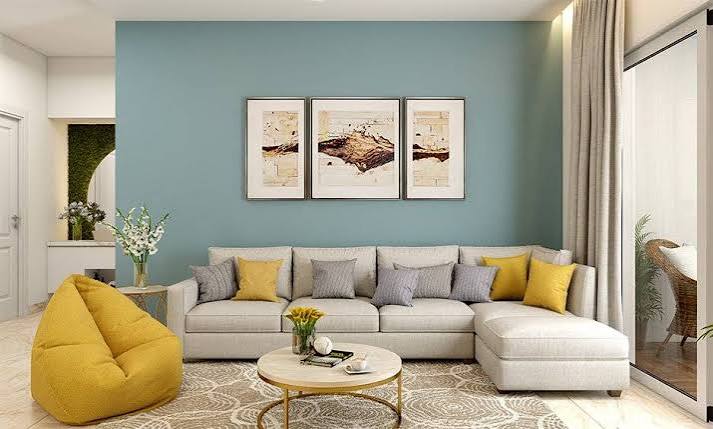
Designing a small home can be challenging, but limited space does not mean limited creativity. With careful planning, the right furniture, effective storage, and appropriate colors, even compact interiors can feel spacious, organized, and stylish.
Make the Most of Available Space
The first step in designing a small interior is understanding how the available space will be used. Furniture should be selected according to room dimensions rather than simply choosing pieces based on appearance.
Multi-functional furniture can be particularly useful. Storage beds, extendable dining tables, nesting tables, modular sofas, and wall-mounted desks can provide flexibility while reducing the amount of space occupied by furniture.
Use Smart Storage Solutions
Storage is one of the biggest challenges in small homes. Clutter can make a room appear smaller, so incorporating hidden and organized storage is important.
Built-in wardrobes, under-bed storage, floating shelves, wall-mounted cabinets, and multifunctional furniture can help keep everyday items organized. Vertical storage is especially useful because it uses wall space without taking valuable floor area.
Choose Colors Carefully
Light and neutral colors can help make compact rooms feel brighter and more open. Shades of white, cream, light grey, beige, and soft natural tones can create a spacious visual effect.
Mirrors can also be used strategically to reflect light and create the impression of additional space. Large mirrors placed opposite windows or light sources can make interiors feel more open.
Improve Natural and Artificial Lighting
Good lighting can dramatically change the appearance of a small room. Natural light should be maximized by keeping windows relatively unobstructed.
For evening use, combine ceiling lighting with wall lights, table lamps, or floor lamps. Layered lighting can make the space feel warmer and more visually interesting.
Avoid Overcrowding
One of the most common mistakes in small-space design is using too many decorative items or furniture pieces. Every element should have a purpose.
Instead of filling every corner, select a few attractive pieces that complement the overall design. Maintaining some open areas can make the room feel more spacious.
Conclusion
Small-space interior design is about using every part of the home intelligently while maintaining visual balance. Smart storage, multifunctional furniture, light colors, effective lighting, and thoughtful decoration can turn a compact home into a comfortable and stylish living environment.
Designing a small home can be challenging, but limited space does not mean limited creativity. With careful planning, the right furniture, effective storage, and appropriate colors, even compact interiors can feel spacious, organized, and stylish.
Make the Most of Available Space
The first step in designing a small interior is understanding how the available space will be used. Furniture should be selected according to room dimensions rather than simply choosing pieces based on appearance.
Multi-functional furniture can be particularly useful. Storage beds, extendable dining tables, nesting tables, modular sofas, and wall-mounted desks can provide flexibility while reducing the amount of space occupied by furniture.
Use Smart Storage Solutions
Storage is one of the biggest challenges in small homes. Clutter can make a room appear smaller, so incorporating hidden and organized storage is important.
Built-in wardrobes, under-bed storage, floating shelves, wall-mounted cabinets, and multifunctional furniture can help keep everyday items organized. Vertical storage is especially useful because it uses wall space without taking valuable floor area.
Choose Colors Carefully
Light and neutral colors can help make compact rooms feel brighter and more open. Shades of white, cream, light grey, beige, and soft natural tones can create a spacious visual effect.
Mirrors can also be used strategically to reflect light and create the impression of additional space. Large mirrors placed opposite windows or light sources can make interiors feel more open.
Improve Natural and Artificial Lighting
Good lighting can dramatically change the appearance of a small room. Natural light should be maximized by keeping windows relatively unobstructed.
For evening use, combine ceiling lighting with wall lights, table lamps, or floor lamps. Layered lighting can make the space feel warmer and more visually interesting.
Avoid Overcrowding
One of the most common mistakes in small-space design is using too many decorative items or furniture pieces. Every element should have a purpose.
Instead of filling every corner, select a few attractive pieces that complement the overall design. Maintaining some open areas can make the room feel more spacious.
Conclusion
Small-space interior design is about using every part of the home intelligently while maintaining visual balance. Smart storage, multifunctional furniture, light colors, effective lighting, and thoughtful decoration can turn a compact home into a comfortable and stylish living environment.
Designing a small home can be challenging, but limited space does not mean limited creativity. With careful planning, the right furniture, effective storage, and appropriate colors, even compact interiors can feel spacious, organized, and stylish.
Make the Most of Available Space
The first step in designing a small interior is understanding how the available space will be used. Furniture should be selected according to room dimensions rather than simply choosing pieces based on appearance.
Multi-functional furniture can be particularly useful. Storage beds, extendable dining tables, nesting tables, modular sofas, and wall-mounted desks can provide flexibility while reducing the amount of space occupied by furniture.
Use Smart Storage Solutions
Storage is one of the biggest challenges in small homes. Clutter can make a room appear smaller, so incorporating hidden and organized storage is important.
Built-in wardrobes, under-bed storage, floating shelves, wall-mounted cabinets, and multifunctional furniture can help keep everyday items organized. Vertical storage is especially useful because it uses wall space without taking valuable floor area.
Choose Colors Carefully
Light and neutral colors can help make compact rooms feel brighter and more open. Shades of white, cream, light grey, beige, and soft natural tones can create a spacious visual effect.
Mirrors can also be used strategically to reflect light and create the impression of additional space. Large mirrors placed opposite windows or light sources can make interiors feel more open.
Improve Natural and Artificial Lighting
Good lighting can dramatically change the appearance of a small room. Natural light should be maximized by keeping windows relatively unobstructed.
For evening use, combine ceiling lighting with wall lights, table lamps, or floor lamps. Layered lighting can make the space feel warmer and more visually interesting.
Avoid Overcrowding
One of the most common mistakes in small-space design is using too many decorative items or furniture pieces. Every element should have a purpose.
Instead of filling every corner, select a few attractive pieces that complement the overall design. Maintaining some open areas can make the room feel more spacious.
Conclusion
Small-space interior design is about using every part of the home intelligently while maintaining visual balance. Smart storage, multifunctional furniture, light colors, effective lighting, and thoughtful decoration can turn a compact home into a comfortable and stylish living environment.