

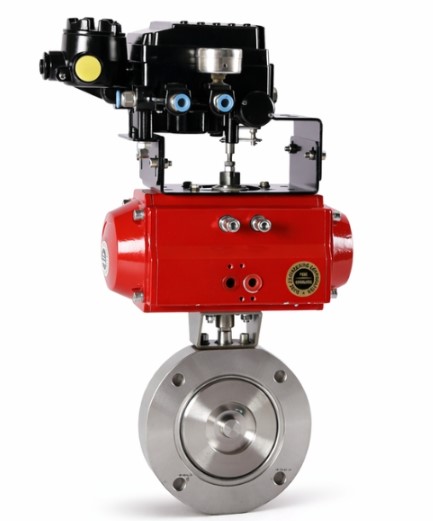
Industrial plants rarely have room for equipment that performs inconsistently. Whether the application involves high-temperature gases, dust-laden air, combustion systems, or large process pipelines, accurate flow regulation plays an important role in maintaining safe and efficient operations. A well-designed damper can control, isolate, and redirect air or gas while helping equipment operate with greater stability.
Modern industries therefore require flow-control products that combine mechanical strength, dependable sealing, easy operation, and long service life. Choosing the right Industrial Damper Supplier can make a significant difference because damper construction, material selection, actuator compatibility, and application-specific design all influence long-term performance.
From cement and steel plants to power generation and process industries, Industrial Dampers are used where reliable gas and air movement needs to be controlled under demanding operating conditions.
Understanding the Role of Industrial Dampers
Unlike simple shut-off components, dampers are often required to perform under changing temperatures, pressure conditions, and flow rates. Their design must account for the nature of the medium, operating temperature, installation position, frequency of operation, and required sealing level.
A dependable Industrial Damper Supplier generally provides solutions designed around the specific requirements of the plant rather than offering a single standard configuration for every application. This approach can improve operational reliability and reduce problems caused by unsuitable dimensions, materials, or actuation systems.
Industrial Dampers are commonly installed in ventilation systems, process gas lines, exhaust arrangements, combustion systems, dust-handling systems, and other industrial applications. Depending on the process, they may be used for flow regulation, isolation, diversion, or emergency shut-off.
Why Damper Design Matters in Industrial Applications
A damper may appear mechanically simple, but its performance depends on several interconnected factors. Blade geometry, shaft arrangement, body construction, sealing method, bearing design, and actuator selection can all affect how effectively the equipment operates.
For example, applications involving abrasive dust require construction that can tolerate continuous exposure to particles. High-temperature environments may require heat-resistant materials and specially selected seals. In automated plants, the damper must also work smoothly with electric or pneumatic actuators and the site’s control system.
When selecting an Industrial Damper Supplier, buyers should therefore consider engineering capability alongside manufacturing capacity. Proper application assessment helps ensure that the selected damper matches the actual process conditions.
Key factors that influence selection
- Operating temperature and pressure
- Gas or air composition
- Required leakage and sealing performance
- Available installation space
- Manual or automated operation
- Actuator and control requirements
- Material and corrosion resistance
Double Eccentric Butterfly Damper Manufacturer for Advanced Applications
Where improved sealing and controlled movement are important, a Double Eccentric Butterfly Damper Manufacturer can provide a specialized solution. In a double eccentric arrangement, the shaft is positioned away from the centreline of the disc, allowing the disc to move away from the sealing surface during opening.
This design can reduce unnecessary rubbing between the disc and seat. As a result, it may help minimize wear and improve operating efficiency over repeated cycles. The reduced contact during movement can also support longer service life when the damper is correctly engineered for its application.
A qualified Double Eccentric Butterfly Damper Manufacturer can customize the design according to factors such as pipe size, temperature, pressure, medium, sealing requirements, and actuator specifications. This makes the configuration suitable for demanding industrial environments where conventional designs may not provide the required performance.
Applications Across Different Industries
The requirement for controlled air and gas movement exists across numerous industrial sectors. Cement manufacturing, power generation, steel processing, chemical production, waste treatment, and general process industries all depend on reliable flow-control equipment.
In cement plants, dampers can support kiln, cooler, raw mill, and dust-handling systems. Steel plants may require them for furnace and exhaust applications where high temperatures and challenging gases are present. Power plants can use damper systems for combustion air, flue gas, boiler systems, and related process arrangements.
Because every process has different operating conditions, the Industrial Dampers selected for one plant may not be appropriate for another. Engineering evaluation is therefore important before finalizing the product.
|
Application Area |
Typical Requirement |
Suitable Damper Consideration |
|
Cement Plants |
Dust and high temperature |
Heavy-duty construction |
|
Power Plants |
Flue and combustion gases |
Reliable sealing and actuation |
|
Steel Plants |
High heat and demanding gases |
Heat-resistant materials |
|
Chemical Plants |
Corrosive process media |
Material compatibility |
|
Dust Collection |
Air and particulate flow |
Wear-resistant construction |
Benefits of Working with the Right Industrial Damper Supplier
The supplier’s role extends beyond manufacturing the physical component. A reliable supplier should understand the operating environment and help determine the appropriate construction, dimensions, sealing arrangement, and actuator combination.
Working with an experienced Industrial Damper Supplier can simplify equipment selection and help avoid compatibility issues during installation. Proper documentation, dimensional accuracy, inspection procedures, and testing can also contribute to smoother commissioning.
Another important factor is after-sales support. Industrial equipment may operate for years, and replacement parts or technical assistance may eventually be required. A supplier capable of supporting the product throughout its operating life can provide additional value to plant operators.
Customization and Automation Options
Modern process plants increasingly depend on automated equipment. Dampers can be integrated with electric or pneumatic actuators to allow remote operation, position monitoring, and coordinated control with other plant systems.
A Double Eccentric Butterfly Damper Manufacturer with engineering and customization capabilities can adapt the damper to the selected actuator and control requirements. Depending on the application, features such as position indicators, limit switches, solenoid valves, and feedback systems may be incorporated.
Customization can also extend to body materials, disc construction, shaft arrangements, flange dimensions, and sealing systems. Such flexibility is particularly valuable when replacing existing equipment or fitting dampers into space-restricted installations.
Maintenance and Long-Term Performance
Even high-quality Industrial Dampers require appropriate maintenance. Routine inspection can identify issues such as seal deterioration, actuator problems, shaft wear, loose connections, or unusual operating resistance before they become major failures.
Maintenance frequency depends on the application and operating conditions. Dust-heavy environments may require more frequent inspections than cleaner gas applications. High-temperature installations should also receive attention to sealing components and material condition.
Correct installation is equally important. Alignment, actuator calibration, flange condition, and proper tightening can influence the operating life of the damper. Following the manufacturer’s recommended procedures helps maintain consistent performance.
Choosing a Reliable Manufacturing Partner
Selecting a suitable Industrial Damper Supplier should involve more than comparing product prices. Buyers should evaluate manufacturing expertise, customization capabilities, material quality, testing procedures, delivery reliability, and technical support.
For specialized applications, experience with the relevant industry can be especially valuable. A manufacturer familiar with high-temperature, abrasive, corrosive, or high-cycle environments is better positioned to recommend an appropriate configuration.
Similarly, when a project specifically requires a double eccentric design, working with a capable Double Eccentric Butterfly Damper Manufacturer can help ensure that the disc, shaft, seat, body, and actuator are properly matched to the process.
Conclusion
Reliable flow control contributes directly to stable industrial operations. From regulating process gases to isolating sections of a pipeline, properly engineered dampers can support efficiency, safety, and equipment longevity. The right Industrial Damper Supplier can provide more than a standard product by combining application knowledge with suitable materials, construction, actuation, and technical support.
For demanding installations, carefully designed Industrial Dampers can deliver dependable performance across a wide range of industrial environments. When improved sealing and reduced seat contact are required, solutions from an experienced Double Eccentric Butterfly Damper Manufacturer can offer an effective approach. Ultimately, selecting equipment according to actual operating conditions is the key to achieving reliable and long-lasting flow-control performance.