
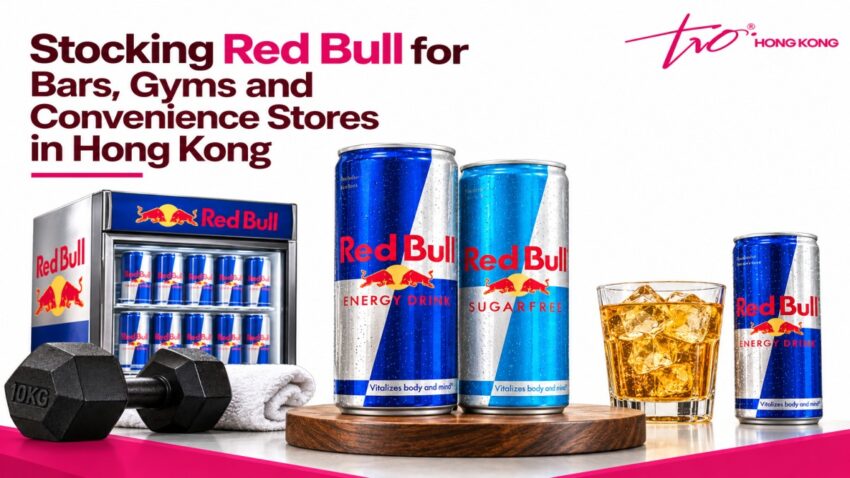
For bars, gyms and convenience stores in Hong Kong, stocking Red Bull requires different approaches based on sales patterns, storage space and customer demand. Red Bull Wholesale Distributors can help businesses source suitable quantities and plan replenishment for different outlet types. Bars may need more chilled cans during evening hours, while gyms and convenience stores often focus on accessible single cans and steady shelf rotation. The right stock plan helps each outlet avoid unnecessary overstocking while keeping popular formats available when customers want them.
How Does Red Bull Stocking Differ Across Hong Kong Sales Channels?
A can of Red Bull looks the same everywhere, but what happens after delivery varies by outlet. A bar chills it for quick evening service. A gym keeps it near the door for members grabbing one on the way out. A convenience store shelves it alongside other drinks, competing for attention. These different patterns of use shape how much chilled space to keep aside and how often deliveries are needed.
What Should Bars Consider When Stocking Red Bull?
Evening trade focuses demand into a few hours, and a bar that runs out of chilled Red Bull at 10pm has lost that sale until the next delivery. Here, more than in most outlet types, it matters to keep stock in the fridge rather than the storeroom, because guests expect a cold can right away.
Working with an energy drink supplier can also help bars plan suitable stock levels and replenishment. Smaller formats and single cans may move faster than multipacks, while replenishment can be needed more than once a week during busy periods. Checking fridge stock mid-shift can catch shortfalls before they result in a missed sale.
How Can Gyms Manage Red Bull Stock More Effectively?
Gym-goers buy on the way in or out, so single-serve cans in an accessible chiller are more important than bulk packaging stored elsewhere. Members want something they can grab and go, not something they have to prepare. Chilled stock should be checked regularly rather than left until the cooler looks empty, as a half-stocked fridge often reads as out of stock. Gyms should treat Red Bull the same as any other beverage and no claims about exercise performance should be part of its on-site marketing.
What Should Convenience Stores Check Before Ordering?
Shelf space dictates nearly every decision in this channel. Red Bull should be at eye level and ideally next to other energy drinks where a shopper is already looking. Convenience stores stock many products that have limited turnover per SKU, so stock rotation is important. Older stock should be moved to the front, newer deliveries to the back, and pack formats should suit the shelf depth available. Unlike the sharper demand peaks seen in bars, convenience-store replenishment can follow a steadier weekly pattern.
How Should Businesses Decide on Volumes and Pack Sizes?
Order quantities should be determined by what a particular outlet can realistically sell and store, not an estimate that is taken from another site. A small fridge in a bar, for example, has no benefit from ordering more than it can cool, and a convenience store with limited shelf depth might prefer smaller, more frequent deliveries instead of a large monthly order. The right pack size for a given location is shaped by storage capacity, available refrigeration, and order frequency. With a Red Bull Distributor who understands these differences, order patterns can adjust to the incoming sales data.
When Should Stock Be Chilled or Kept Ambient?
Chilled and ambient stock are used for different purposes within the same order. An FMCG distributor can help buyers plan the right balance based on available storage and expected demand. Ambient stock kept in a suitable back-room storage area can act as a buffer, which is rotated into the fridge as chilled stock is sold down. Overstocking chilled items constrains valuable fridge space that could be used to hold other products, while understocking ambient items could lead to stock-outs between deliveries. The right balance depends on how much refrigeration space you have and how predictable the footfall is through the week.
What Should Businesses Look for in Red Bull Wholesale Distributors?
Planning bulk Red Bull requirements in Hong Kong involves more than comparing prices. Once a business manages more than one outlet type, delivery consistency, order flexibility and the ability to supply mixed formats for different channels all matter. A Red Bull Supplier in Hong Kong that understands HORECA, retail and fitness accounts may be better suited to irregular ordering than one geared toward a single channel.
Treasure Orbit Group operates as an FMCG supplier in Hong Kong, sourcing branded drinks including Red Bull for outlets across retail, HORECA, and fitness settings. For a business managing multiple channels, working with a Beverage Distributor familiar with energy drink for HORECA requirements can simplify how orders are planned, without managing separate supply relationships for each channel.
Conclusion
In Hong Kong, stocking Red Bull well is about matching the supply to the way each outlet uses the product. Bars typically prioritise chilled stock ready for a short evening rush, gyms need accessible cans near the door and convenience stores need visible shelf presence with steady rotation. Getting pack sizes and order frequency depends on storage space and realistic replenishment schedules, and a Bulk Red Bull Supplier that can flex between formats makes that planning easier across sites.