
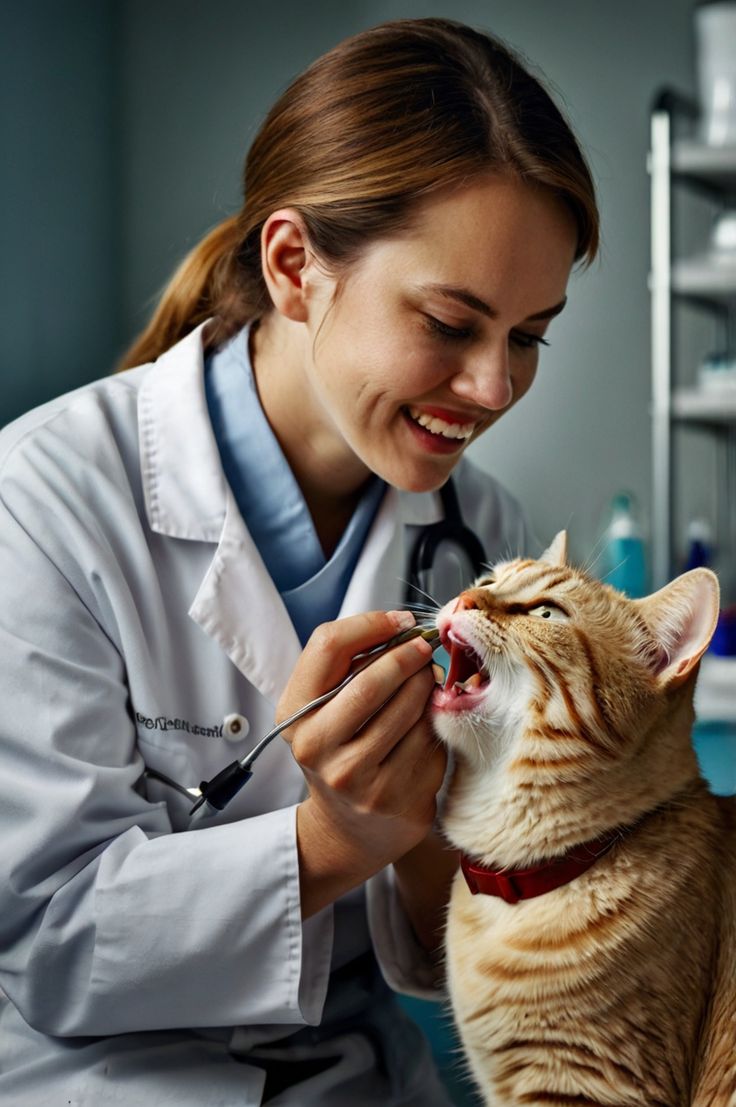
Introduction: The Hidden Cost of Ignoring Your Feline Friends Smile
Every pet parent knows the dreadful feeling of taking their furry friend to the veterinarian for a routine checkup, only to be hit with a massive estimate for teeth extractions and oral surgery. If you have ever experienced this sticker shock, you are certainly not alone. Many folks in the USA adopt a kitten or a rescue cat expecting to pay for basic vaccinations, food, and litter, completely overlooking what goes on inside their mouth. Unfortunately, ignoring your feline companions gums and teeth is a fast track to severe health issues and drained savings accounts. The reality is that poor oral hygiene does not just cause bad breath; it leads to systemic health problems that can shorten your pets lifespan and cost you thousands of dollars in surgical interventions.
When you are trying to balance the family budget, dropping a grand or more on a pet dental procedure is a tough pill to swallow. This is exactly why being proactive about cat dental health is one of the smartest financial and medical decisions you can make. By understanding the root causes of plaque buildup and learning how to manage your cats hygiene at home, you can save serious cash while keeping your best friend happy and pain-free. Trust is a major factor here, as the pet care industry is flooded with expensive gimmicks that promise the world but deliver very little. You need reliable, cost-effective strategies that actually work, ensuring you do not get nickel-and-dimed by unnecessary products.
What Exactly is Feline Dental Disease?
To truly protect your wallet and your pet, you first need to understand the enemy. Feline dental disease is an incredibly common condition, affecting the vast majority of cats by the time they reach just three years of age. It all begins with a seemingly harmless invisible layer of bacteria known as plaque. Every time your cat eats, particles of food combine with saliva and bacteria in the mouth to form this sticky film over the surface of the teeth. If this plaque is not removed through mechanical action, such as chewing on appropriate textures or physical brushing, it begins to mineralize.
Within a matter of days, soft plaque hardens into tartar, which is also known as calculus. Tartar is a tough, yellow or brown substance that tightly bonds to the enamel of the teeth. Once tartar forms, it cannot be simply brushed away; it requires professional scaling to remove. This rough surface then acts like a magnet for even more plaque and bacteria, pushing the infection below the gumline. This is where the real trouble starts, leading to gingivitis, which is the inflammation of the gums. The gums become red, swollen, and prone to bleeding. If left untreated, the inflammation destroys the supporting structures of the tooth, including the bone, leading to a painful condition that ruins the mouth and requires expensive surgical extraction.
The True Financial Impact of Feline Periodontal Problems
Let us talk numbers because being price-conscious means looking at the long-term math of pet ownership. A standard wellness exam and a tube of feline-safe toothpaste might cost you fifty bucks. In stark contrast, a professional scale and polish under general anesthesia can easily range from three hundred to eight hundred dollars depending on your location in the states. If the vet finds rotting teeth that need to be surgically removed, that bill can skyrocket well past the thousand-dollar mark. This does not even factor in the pre-anesthetic bloodwork, the intravenous fluids, the pain medications, and the specialized soft-food diets required during their weeks of recovery.
Furthermore, the bacteria thriving in an infected mouth do not just stay in the oral cavity. Every time your cat chews, bacteria are pushed into the bloodstream. This chronic bacterial shower forces the immune system into overdrive and can eventually cause severe damage to vital organs like the heart, liver, and kidneys. Treating a cat for chronic kidney disease or heart murmurs caused by prolonged oral infections will lead to a lifetime of expensive prescription diets, daily medications, and frequent hospital visits. Investing time and a few dollars into preventative care today is the ultimate insurance policy against astronomical medical debts tomorrow.
Crucial Signs of Dental Disease in Cats You Should Never Ignore
Cats are notorious masters of disguise when it comes to hiding pain. In the wild, showing weakness makes an animal a target for predators, and our domestic house cats have retained this stoic survival instinct. Therefore, relying on your cat to cry or paw at their mouth to tell you they are hurting is a dangerous game. Instead, you need to be highly observant and watch for the subtle behavioral and physical clues that indicate they are suffering in silence. Bad breath, officially known as halitosis, is often the very first red flag. While no cat has minty fresh breath, a sudden foul odor that smells like rotting meat or garbage is a clear indicator that bacteria are actively decaying the tissue in their mouth.
Another major warning sign involves changes in their eating habits. You might notice your cat approaching their food bowl with enthusiasm, only to hiss, drop the food, or run away after a single bite. They might start chewing exclusively on one side of their mouth, tilting their head awkwardly to avoid putting pressure on a painful tooth. Some cats will completely refuse hard kibble, holding out entirely for soft, canned food. You should also watch for excessive drooling, sometimes tinged with blood, or a sudden unkempt appearance. Cats use their mouths to groom themselves, and a cat with a painful mouth will simply stop grooming, leading to a matted and greasy coat. Catching these signs early is your best defense against complex and expensive veterinary interventions.
The Four Stages of Progression and Diagnosis
Veterinarians classify periodontal issues into four distinct stages to determine the severity of the damage and the necessary course of action. Stage one is characterized by simple gingivitis without any attachment loss. The gums are red and swollen, but the bone and ligaments holding the teeth in place are still perfectly healthy. This is the only stage that is entirely reversible with proper cleaning and diligent home care. As we move into stage two, the condition progresses to early periodontitis. Here, there is up to twenty-five percent attachment loss. The gums recede slightly, and pockets begin to form between the tooth and the gum, trapping even more bacteria.
By the time a cat reaches stage three, they are dealing with moderate periodontitis and up to fifty percent attachment loss. The roots of the teeth may become exposed, and the teeth might start to feel slightly loose. At this point, the damage to the bone is irreversible. Finally, stage four is severe periodontitis, featuring greater than fifty percent attachment loss. The teeth are incredibly loose, the roots are heavily infected, and abscesses are likely forming deep within the jawbone. When managing dental disease in cats, early intervention during the first two stages is absolutely critical to saving the teeth and sparing your wallet. Once a cat hits stages three and four, the only humane option is usually costly surgical extraction to relieve the immense pressure and pain they are enduring.
Proactive Cat Teeth Cleaning: At-Home Strategies That Work
Taking matters into your own hands is the most cost-effective way to protect your pet. Implementing a routine for cat teeth cleaning might sound like a wrestling match waiting to happen, but with patience and the right approach, it can become a bonding experience. The secret is to start slow and never force the issue, as creating a negative association will make future attempts impossible. Begin by simply gently lifting your cats lips while they are relaxed and offering a high-value treat immediately afterward. Do this for a few days until they are comfortable having their mouth touched. Next, introduce a pet-safe toothpaste on your finger and let them lick it off. Never use human toothpaste, as the fluoride and artificial sweeteners are highly toxic to felines.
Once they view the toothpaste as a treat, you can start rubbing it directly onto their teeth and gums with your bare finger or a silicone finger brush. Focus primarily on the outside surfaces of the teeth, especially the large canine teeth and the premolars in the back, as this is where plaque accumulates the fastest. You do not need to worry too much about the inside surfaces, as the cats rough tongue naturally sweeps away a lot of the debris there. Gradually work your way up to using a soft-bristled pet toothbrush. Aim for brushing at least three times a week, though daily brushing is the gold standard. Consistency is the key to preventing that soft plaque from hardening into stubborn tartar.
Choosing the Right Products for Cat Oral Health
We understand that not every cat will tolerate having a toothbrush shoved into their mouth, no matter how patient you are. If you have an incredibly feisty rescue or an older cat set in their ways, you are not out of luck. The market is full of alternative products designed to support cat oral health without the stress of manual brushing. Water additives are a fantastic and effortless option. You simply pour a capful of the odorless and tasteless solution into their daily water bowl. These additives contain enzymes that help break down plaque and kill the bacteria responsible for bad breath, working automatically every time your cat takes a drink.
Dental diets and specialized treats are another excellent tool for the budget-conscious pet parent. These kibbles are uniquely designed to be larger and more fibrous than standard food. Instead of shattering immediately when bitten, the kibble envelops the tooth, scraping away plaque like a squeegee before breaking apart. Additionally, incorporating reliable holistic brands into your routine can make a massive difference. For instance, leaning on trusted resources like Pet Soul care can help you find high-quality, safe, and effective wellness products that genuinely support your cats immune system and overall health. Whether you are choosing enzymatic gels, textured chew toys, or kelp-based powder supplements that you sprinkle over their dinner, integrating these passive cleaning methods will significantly reduce the speed at which tartar builds up.
Professional Vet Care Without Breaking the Bank
Even with the most rigorous at-home care routine, almost every cat will eventually need a professional cleaning at the veterinary clinic. This is similar to how humans still need to see a dentist twice a year despite brushing and flossing every single day. Professional cleanings are performed under general anesthesia, which is non-negotiable. Anesthesia free dentistry is a dangerous trend that you should avoid at all costs. Without anesthesia, the veterinarian cannot clean beneath the gumline where the real disease lives, nor can they take the necessary dental x-rays to see the rotting roots hidden inside the jawbone. Paying for an anesthesia-free cleaning is essentially throwing your hard-earned money away on a cosmetic procedure that leaves the actual infection completely untouched.
To manage the costs of these professional procedures, smart pet parents employ a few strategic financial tactics. First, consider investing in a solid pet insurance policy while your cat is still young and healthy. Many modern policies offer wellness add-ons that specifically cover annual dental cleanings and part of the cost for extractions. If insurance is not an option, start a dedicated savings account for your pet, dropping ten or twenty bucks into it every paycheck. You can also shop around your local area. While you should never compromise on safety protocols like pre-anesthetic bloodwork and IV fluids, many reputable veterinary clinics run dental health month specials, typically in February, offering significant discounts on cleanings and surgeries. Additionally, looking into veterinary teaching hospitals or low-cost community clinics can provide you with top-tier care at a fraction of the standard private practice price.
Conclusion: Securing Your Cats Health and Your Wallet
Protecting your feline friend from oral pain does not have to drain your bank account or cause you endless anxiety. By staying educated on how plaque and tartar develop, you are already steps ahead of the curve. Being vigilant about monitoring their breath, eating habits, and grooming behaviors ensures you will catch any brewing issues before they escalate into massive surgical emergencies. Committing to an at-home routine using safe, affordable products will drastically reduce the frequency and severity of their veterinary visits. Ultimately, taking a proactive, trust-based approach to your pets well-being is the very best way to guarantee a long, happy life filled with pain-free purrs, all while keeping your household budget firmly intact.