
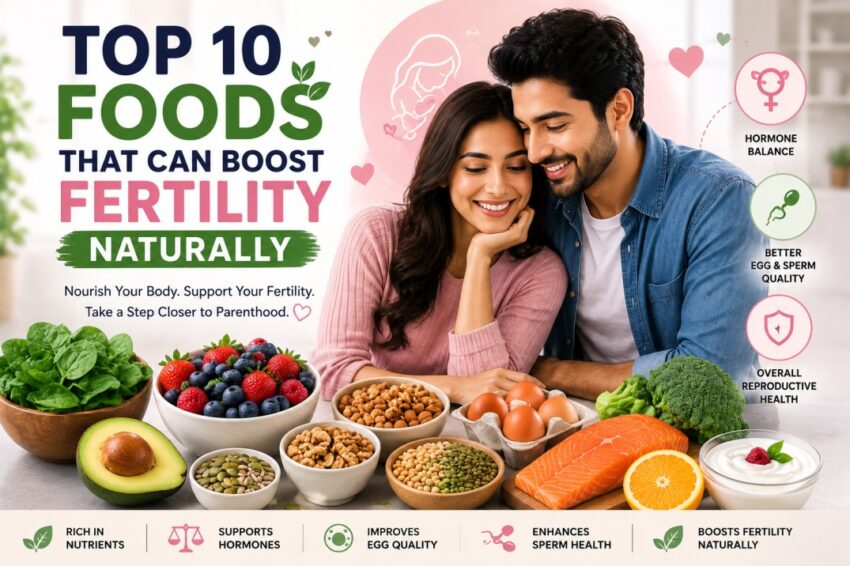
Eating a healthy, balanced diet plays an important role in reproductive health. While no single food can guarantee pregnancy, following a fertility diet rich in vitamins, minerals, antioxidants, and healthy fats may improve egg quality, sperm health, hormone balance, and overall reproductive wellness.
Whether you’re planning for pregnancy naturally or preparing for fertility treatments like IVF or IUI, making the right food choices can support your journey. In this guide, we’ll explore the top 10 foods to improve fertility, explain why they matter, and share simple natural fertility tips for both men and women.
How Does Diet Affect Fertility?
Your body needs the right nutrients to produce healthy eggs and sperm, regulate hormones, and prepare for pregnancy. Poor eating habits, nutrient deficiencies, obesity, and excessive processed foods may negatively impact fertility.
A balanced pregnancy nutrition plan can help:
- Improve egg quality
- Support healthy sperm production
- Balance reproductive hormones
- Reduce inflammation
- Maintain a healthy weight
- Improve overall reproductive health
Combining healthy eating with regular exercise and a healthy lifestyle can further support fertility.
Top 10 Foods That Can Boost Fertility Naturally
1. Leafy Green Vegetables
Spinach, kale, fenugreek leaves, and broccoli are rich in:
- Folic acid
- Iron
- Calcium
- Vitamin C
- Antioxidants
Folate is particularly important for healthy egg development and early pregnancy. Leafy greens also support hormone production and improve overall reproductive health.
2. Berries
Blueberries, strawberries, raspberries, and blackberries are packed with antioxidants that protect eggs and sperm from oxidative stress.
Benefits include:
- Reduced cell damage
- Better egg quality
- Improved sperm health
- Stronger immune system
Adding fresh berries to breakfast or snacks is an easy way to increase antioxidant intake.
3. Eggs
Eggs are an excellent source of:
- High-quality protein
- Choline
- Vitamin D
- Healthy fats
Protein supports hormone production, while choline plays an important role in early fetal development.
Choose boiled or lightly cooked eggs as part of a balanced fertility diet.
4. Fatty Fish
Salmon, sardines, mackerel, and trout are rich in Omega-3 fatty acids.
Omega-3s help:
- Improve blood flow to reproductive organs
- Support hormone balance
- Reduce inflammation
- Improve sperm quality
Aim for one to two servings of low-mercury fish each week.
5. Nuts and Seeds
Almonds, walnuts, flaxseeds, chia seeds, sunflower seeds, and pumpkin seeds provide:
- Vitamin E
- Zinc
- Selenium
- Healthy fats
These nutrients support both male and female fertility by protecting reproductive cells and improving hormone function.
6. Whole Grains
Brown rice, oats, quinoa, and whole wheat provide slow-releasing carbohydrates and dietary fiber.
Whole grains help:
- Regulate blood sugar
- Support ovulation
- Improve insulin sensitivity
- Maintain a healthy body weight
Replacing refined grains with whole grains can benefit reproductive health.
7. Dairy Products
Milk, yogurt, and cheese contain:
- Calcium
- Protein
- Vitamin D
- Healthy fats
Moderate consumption of dairy products may support ovulation and bone health during pregnancy planning.
Choose unsweetened yogurt whenever possible.
8. Citrus Fruits
Oranges, lemons, sweet lime, and grapefruit are excellent sources of Vitamin C.
Vitamin C helps:
- Improve sperm quality
- Boost immunity
- Support iron absorption
- Protect reproductive cells from oxidative damage
Fresh fruit is generally a better choice than packaged juices.
9. Avocados
Avocados contain:
- Healthy monounsaturated fats
- Folate
- Potassium
- Vitamin K
- Vitamin E
Healthy fats support hormone production and help the body absorb fat-soluble vitamins essential for fertility.
10. Beans and Lentils
Lentils, chickpeas, kidney beans, and black beans are rich in:
- Plant-based protein
- Iron
- Folate
- Fiber
These foods support ovulation, hormone balance, and healthy blood circulation.
They’re also excellent protein alternatives for vegetarians.
Foods to Limit When Trying to Conceive
While adding healthy foods is important, reducing certain foods may also benefit fertility.
Try to limit:
- Sugary drinks
- Highly processed foods
- Excess fried foods
- Trans fats
- Excess alcohol
- Smoking
- Excess caffeine
A balanced diet is more effective than focusing on individual “superfoods.”
Natural Fertility Tips
Healthy eating works best when combined with positive lifestyle habits.
Here are some simple natural fertility tips:
- Maintain a healthy body weight.
- Exercise regularly.
- Sleep 7–8 hours every night.
- Stay hydrated.
- Manage stress through yoga or meditation.
- Avoid smoking and recreational drugs.
- Limit alcohol intake.
- Take prenatal vitamins if recommended by your doctor.
Small lifestyle improvements can have a meaningful impact on reproductive health over time.
Can Diet Alone Improve Fertility?
A healthy diet supports fertility, but it may not solve every fertility issue.
Conditions such as:
- Blocked fallopian tubes
- Severe male infertility
- Endometriosis
- PCOS
- Hormonal disorders
often require medical evaluation and treatment.
If you’ve been trying to conceive for over a year (or six months if you’re over 35), consult a fertility specialist.
Frequently Asked Questions
What is the best fertility diet?
A balanced diet rich in fruits, vegetables, whole grains, lean protein, healthy fats, dairy, and antioxidant-rich foods is considered one of the best fertility diets.
Which foods improve egg quality?
Leafy greens, berries, eggs, avocados, fatty fish, and nuts provide nutrients that support healthy egg development.
Which foods improve male fertility?
Foods rich in zinc, selenium, Vitamin C, Omega-3 fatty acids, and antioxidants—such as fish, citrus fruits, nuts, seeds, and berries—may support sperm health.
Can weight affect fertility?
Yes. Both underweight and overweight individuals may experience hormonal imbalances that affect fertility.
Should I take fertility supplements?
Only take supplements after consulting your doctor or fertility specialist, as individual nutritional needs vary.
Final Thoughts
A healthy fertility diet can play an important role in preparing your body for pregnancy. Including nutrient-rich foods like leafy greens, berries, eggs, fatty fish, whole grains, nuts, seeds, and legumes can help support reproductive health for both men and women.
While food alone cannot guarantee conception, combining healthy eating with regular exercise, stress management, and medical guidance when needed can improve your overall fertility and pregnancy readiness.
At Ferti.Health, we’re committed to providing trusted, evidence-based fertility information to help you make informed decisions on your journey to parenthood.