
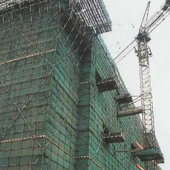
Modern infrastructure projects involve complex construction activities carried out at great heights and in challenging environments. From high-rise commercial buildings to bridges, flyovers, metro rail projects, and industrial facilities, ensuring worker safety is a top priority. One of the most effective safety solutions used in the construction industry today is construction safety netting. These nets play a critical role in preventing falls, reducing accidents, and protecting both workers and pedestrians near construction sites.
Leading Construction Safety Net Manufacturers provide advanced safety net solutions designed to meet the requirements of modern infrastructure projects. Different projects require different types of safety nets depending on the working conditions, building height, and level of protection needed. Understanding these types can help contractors and builders choose the right safety solution for their sites.
Debris Safety Nets
Debris safety nets are widely used in high-rise construction projects to prevent construction materials, tools, and debris from falling outside the work area. These nets create a protective barrier around buildings under construction and help maintain a safe environment for workers and the public.
Debris safety nets are commonly installed along scaffolding systems and external building structures. They are usually made from high-density polyethylene (HDPE) materials that offer durability, UV resistance, and weather protection. These nets are essential for urban construction projects where pedestrian safety is a major concern.
Fall Arrest Safety Nets
Fall arrest safety nets are designed specifically to protect workers from accidental falls while working at elevated heights. These nets are installed horizontally beneath working platforms, roof structures, bridges, and open construction areas.
The primary purpose of these nets is to absorb the impact of a fall and reduce the risk of severe injury. They are extensively used in large infrastructure projects such as airports, stadiums, industrial plants, and flyover construction sites. Professional Construction Safety Net Manufacturers ensure that fall arrest systems meet industry safety standards and offer maximum load-bearing capacity.
Scaffolding Safety Nets
Scaffolding safety nets are attached to scaffolding structures to provide both worker protection and debris containment. These nets are highly effective in preventing accidents during plastering, painting, maintenance, and exterior construction work.
Scaffolding nets also help improve productivity by creating a safer and more organized work environment. In modern infrastructure projects, these nets are commonly used in commercial buildings, residential towers, and industrial construction sites. Their lightweight structure and easy installation make them a practical safety solution for contractors.
Vertical Safety Nets
Vertical safety nets are installed vertically along the sides of buildings and construction areas. These nets act as protective barriers to prevent workers, tools, and materials from falling from elevated levels.
Vertical nets are commonly used in bridge construction, flyover projects, and high-rise developments. They are especially useful in projects where external edge protection is necessary. Many builders prefer these nets because they offer excellent visibility while maintaining strong safety performance.
Horizontal Safety Nets
Horizontal safety nets are installed beneath active work zones to provide fall protection for workers operating at heights. These nets are designed to catch workers safely in the event of accidental slips or falls.
These safety nets are frequently used in warehouse construction, industrial projects, roofing work, and steel structure installations. Their shock-absorbing design helps reduce injuries and supports compliance with workplace safety regulations.
Fire-Resistant Safety Nets
In certain industrial and infrastructure projects, fire hazards are a significant concern. Fire-resistant safety nets are specially designed using flame-retardant materials to withstand exposure to sparks, welding operations, and high temperatures.
These nets are commonly used in oil and gas facilities, power plants, shipyards, and heavy industrial construction sites. They offer an additional layer of protection where traditional safety nets may not be sufficient.
Customized Construction Safety Nets
Every infrastructure project has unique safety requirements based on its structure, location, and operational risks. Customized construction safety nets are designed to match the exact dimensions and safety needs of specific projects.
Customized solutions are often required for bridges, stadiums, metro rail projects, and large industrial complexes. Experienced Construction Safety Net Manufacturers provide tailor-made netting systems that ensure complete safety coverage and long-term durability.
Importance of Quality Materials in Construction Safety Nets
The effectiveness of a safety net depends greatly on the quality of materials used in its manufacturing. Most modern construction safety nets are made from HDPE, nylon, or polypropylene materials that provide excellent strength, flexibility, and weather resistance.
UV-resistant coatings are also important because construction projects often involve prolonged outdoor exposure. High-quality safety nets maintain their performance under extreme environmental conditions and reduce the need for frequent replacements.
Builders and contractors should always choose safety nets that comply with industry safety standards and undergo proper quality testing before installation.
Applications of Construction Safety Nets in Infrastructure Projects
Construction safety nets are used across a wide range of modern infrastructure projects, including:
- High-rise residential buildings
- Commercial complexes
- Industrial manufacturing units
- Metro rail projects
- Flyovers and bridges
- Stadium construction
- Airports and transportation hubs
- Warehouse and logistics facilities
The growing focus on workplace safety and government regulations has increased the demand for reliable safety net systems in the construction industry.
Choosing the Right Safety Net Manufacturer
Selecting the right safety net supplier is essential for ensuring workplace safety and long-term performance. Reputable Construction Safety Net Manufacturers provide durable products, professional installation support, and customized solutions based on project requirements.
When choosing a manufacturer, contractors should consider factors such as material quality, industry experience, safety certifications, and product durability. Reliable manufacturers also offer technical guidance to help clients select the most suitable safety net systems for their infrastructure projects.
Conclusion
Construction safety nets have become an essential component of modern infrastructure development. They help prevent accidents, improve worker safety, and ensure compliance with safety regulations across construction sites. From debris nets and scaffolding nets to fall arrest systems and customized solutions, each type of safety net serves a specific purpose in enhancing construction site protection.
As infrastructure projects continue to grow in scale and complexity, the role of trusted Construction Safety Net Manufacturers becomes even more important. Investing in high-quality construction safety nets not only protects workers but also contributes to safer and more efficient project execution.
Other Recommendations: Nylon Mesh Fabric Manufacturers