
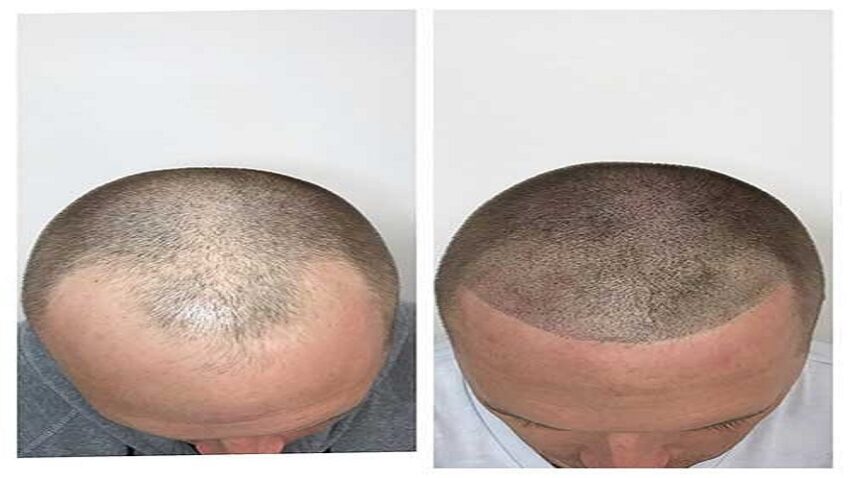
Hair fall and hair-related problems are often linked not just to external factors, but to the health of the scalp. The scalp is the foundation where hair follicles grow and function. When scalp conditions are ignored or left untreated, they can lead to excessive hair fall, thinning, and long-term hair issues.
Understanding the underlying scalp conditions that contribute to hair loss is essential for taking the right steps toward prevention and treatment.
Why Scalp Health Matters for Hair Growth
Healthy hair begins with a healthy scalp. Hair follicles depend on a balanced scalp environment to function properly. When the scalp is affected by infections, inflammation, or imbalances, it disrupts the hair growth cycle.
Poor scalp health can result in:
- Weak hair roots
- Reduced hair growth
- Increased shedding
- Thinning and breakage
Maintaining scalp health is therefore a critical part of preventing hair issues.
Common Scalp Conditions That Cause Hair Fall
- Dandruff and Seborrheic Dermatitis
One of the most common scalp conditions is Dandruff. It is often associated with flaking, itching, and irritation.
In more severe cases, it may develop into seborrheic dermatitis, which can:
- Cause inflammation
- Weaken hair follicles
- Increase hair fall
Persistent dandruff should not be ignored, as it can disrupt scalp health over time.
- Alopecia-Related Conditions
Certain types of alopecia directly affect hair growth and lead to noticeable hair loss.
These include:
- Alopecia Areata, which causes sudden patchy hair loss
- Androgenetic Alopecia, which leads to gradual thinning
These conditions impact hair follicles and alter the natural growth cycle.
- Scalp Infections
Fungal or bacterial infections of the scalp can damage hair follicles and lead to hair loss.
Common effects include:
- Redness and irritation
- Itching and discomfort
- Patchy hair loss
If left untreated, infections can weaken the scalp environment and worsen hair issues.
- Scalp Psoriasis
Psoriasis affecting the scalp can cause thick, scaly patches.
This condition can:
- Lead to inflammation
- Cause itching and irritation
- Disrupt hair growth
Frequent scratching due to discomfort can further damage hair follicles.
- Excess Oil Production
An overly oily scalp can clog hair follicles and attract dirt and pollutants.
This may result in:
- Blocked follicles
- Increased dandruff
- Weak hair roots
Proper cleansing and scalp care are necessary to maintain balance.
- Dry Scalp
A dry scalp lacks moisture and can become flaky and irritated.
This condition can:
- Cause itching
- Lead to hair breakage
- Affect overall scalp health
Maintaining proper hydration is essential for preventing dryness-related hair issues.
- Traction-Related Scalp Stress
Constant tension on the scalp due to tight hairstyles can lead to Traction Alopecia.
This condition:
- Weakens hair follicles
- Causes hairline recession
- Leads to long-term hair loss if not addressed
Avoiding tight hairstyles helps reduce scalp stress.
- Inflammation and Scalp Sensitivity
Inflammation caused by allergic reactions, harsh products, or environmental factors can damage the scalp.
This leads to:
- Irritation
- Reduced follicle function
- Increased hair shedding
Identifying and eliminating triggers is important for maintaining scalp health.
How These Conditions Affect Hair Growth
Scalp conditions interfere with the normal hair growth cycle in several ways:
- Disrupting follicle function
- Reducing nutrient supply
- Causing inflammation and irritation
- Weakening hair roots
When these issues persist, they can lead to chronic hair problems and visible hair loss.
Signs Your Scalp May Be Unhealthy
Recognizing early signs of scalp issues can help prevent further damage. Watch for:
- Persistent itching or irritation
- Flaking or scaling
- Redness or inflammation
- Excessive oiliness or dryness
- Increased hair fall
Ignoring these signs can worsen the condition over time.
How to Manage Scalp Conditions Effectively
- Maintain Proper Scalp Hygiene
Regular cleansing helps remove dirt, oil, and buildup that can clog follicles.
- Use Suitable Hair Care Products
Choose products that match your scalp type and avoid harsh chemicals.
- Address Conditions Early
Treat dandruff, infections, or irritation promptly to prevent progression.
- Avoid Harmful Practices
Limit heat styling, chemical treatments, and tight hairstyles.
- Support Treatment with Medications
In some cases, treatments such as:
- Minoxidil
may be recommended to support hair growth.
- Seek Professional Guidance
Consulting a specialist helps identify the exact condition and ensures proper treatment.
Long-Term Impact of Ignoring Scalp Conditions
Untreated scalp issues can lead to:
- Chronic hair fall
- Thinning hair
- Permanent follicle damage
- Advanced hair loss conditions
Early care and consistent management can prevent these outcomes.
Final Thoughts
Scalp conditions are a major factor behind hair fall and hair-related problems. Understanding these conditions allows you to take the right steps toward maintaining a healthy scalp and preventing hair loss.
Get expert care from the Hair Scalp Experts in Vadodara and restore your scalp health effectively.
Book your consultation today for personalized treatments and long-lasting hair and scalp solutions.