
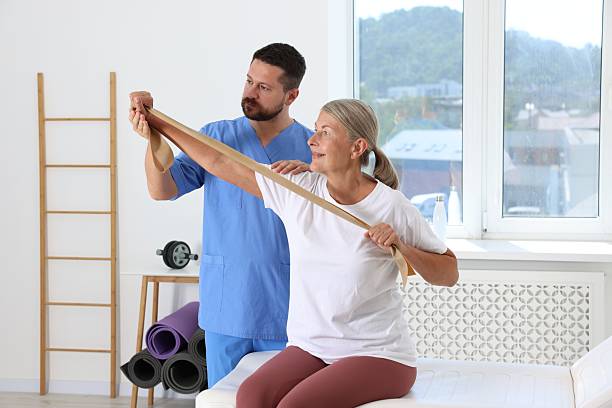
Movement plays an important role in nearly every part of daily life. Walking, working, exercising, playing with children, climbing stairs, and even getting out of bed all depend on the body working efficiently. When pain, stiffness, weakness, or an injury interferes with movement, everyday activities can suddenly become challenging.
That is where a wellness-focused approach to physical therapy can make a meaningful difference. Wellness physical therapy in texas combines rehabilitation with strategies that encourage better movement, strength, flexibility, balance, and long-term physical well-being. Rather than focusing only on an existing problem, this approach can help people understand their bodies and develop healthier movement habits.
What Is Wellness Physical Therapy?
Traditional physical therapy is commonly associated with recovering from an injury, surgery, or painful condition. While rehabilitation remains an important part of physical therapy, wellness-focused care takes a broader perspective.
Wellness physical therapy may involve evaluating how a person moves, identifying limitations, improving physical capacity, and developing exercises that support individual goals. Treatment can be useful for someone recovering from an injury, but it can also benefit active adults who want to maintain their physical abilities and reduce the likelihood of future movement problems.
The goal is not simply to get through a treatment session. It is to help individuals develop the strength, mobility, confidence, and knowledge needed to participate in everyday activities more comfortably.
Who Can Benefit From Wellness-Focused Physical Therapy?
Physical therapy is not limited to athletes or people dealing with major injuries. People with different lifestyles and fitness levels can benefit from professional guidance.
For example, wellness-oriented physical therapy may be helpful for:
- Adults experiencing recurring aches or stiffness
- Individuals returning to exercise after a period of inactivity
- Athletes looking to improve performance
- Older adults interested in maintaining balance and mobility
- People recovering from injuries
- Individuals who want to improve strength and flexibility
- Busy professionals dealing with movement limitations from prolonged sitting
- People who want guidance for maintaining an active lifestyle
A personalized evaluation can help determine which areas require attention and what type of movement program is appropriate.
The Importance of a Personalized Approach
Every person has different physical abilities, goals, habits, and challenges. A workout or exercise routine that works well for one individual may not be appropriate for another.
Personalized physical therapy begins with understanding the individual. A therapist may assess movement patterns, flexibility, strength, balance, posture, and functional abilities. The information gathered during an evaluation can then be used to create an appropriate plan.
At Live to Move Physical Therapy & Wellness, care is centered around individual needs and meaningful goals. Instead of treating every patient with the same routine, a personalized approach allows exercises and treatment strategies to be adjusted according to the person’s current abilities and progress.
This can make therapy more practical because the exercises relate to real-life needs. Someone who wants to return to recreational sports may have different goals from someone who simply wants to walk comfortably or improve everyday strength.
Building Strength for Better Movement
Strength is an important component of physical function. Strong muscles help the body perform everyday tasks and provide support during physical activities.
Weakness in one area can sometimes affect how other parts of the body move. For example, reduced lower-body strength may make stairs, squatting, or standing from a chair more difficult. Similarly, inadequate core or upper-body strength may influence posture and functional movement.
A physical therapist can recommend progressive strengthening exercises based on an individual’s abilities. These may include bodyweight movements, resistance exercises, balance activities, and functional training.
The focus should be on controlled, purposeful movement rather than simply completing as many repetitions as possible.
Improving Flexibility and Mobility
Strength alone is not enough for efficient movement. The body also needs adequate mobility to move through appropriate ranges of motion.
Stiff joints or tight muscles can make everyday movements feel restricted. Limited mobility may also affect exercise technique and functional activities.
Physical therapy can incorporate stretching, mobility exercises, movement drills, and other techniques to address restrictions. Improving mobility can make activities such as walking, reaching, bending, and exercising feel more natural.
Importantly, mobility exercises should be selected according to individual needs. More movement is not always better; the goal is appropriate movement that supports function and comfort.
Balance and Coordination Matter Too
Balance is another important aspect of wellness. Good balance helps people move safely and confidently during daily activities.
Balance training can be useful for older adults, athletes, and anyone who experiences challenges with stability or coordination. Exercises may involve standing activities, controlled weight shifting, single-leg movements, and functional tasks.
Improving balance can contribute to greater confidence when navigating different environments, changing directions, or performing everyday activities.
Supporting Long-Term Physical Wellness
One of the biggest advantages of a wellness-centered approach is its focus on long-term habits. A person may feel better after completing a rehabilitation program, but maintaining those improvements often requires continued movement and physical activity.
A therapist can teach patients how to perform exercises correctly and how to incorporate appropriate movement into their routines. This education can help individuals become more independent in managing their physical wellness.
Wellness physical therapy in texas can therefore be viewed as more than a short-term solution. It can become part of a broader strategy for maintaining physical function and staying active throughout different stages of life.
Why Movement Education Is Important
Understanding how your body moves can change the way you approach exercise and daily activities. Instead of ignoring discomfort or repeatedly performing movements that cause problems, individuals can learn how to recognize limitations and make informed adjustments.
Movement education may include guidance about exercise technique, posture, warm-ups, recovery, activity progression, and appropriate exercise selection. These lessons can be valuable beyond the therapy environment.
The ultimate goal is to give people practical tools they can use in their everyday lives.
Choosing the Right Physical Therapy Approach
When considering physical therapy, look for a provider that takes time to understand your goals and offers individualized care. A good treatment plan should be based on an appropriate evaluation and adjusted as your abilities change.
It is also helpful to choose a practice that emphasizes active participation. Exercises and movement strategies can give patients an active role in their own progress rather than making them passive participants in treatment.
At Live to Move Physical Therapy & Wellness, the focus is on helping individuals improve movement while supporting broader wellness goals. A thoughtful combination of assessment, exercise, education, and personalized guidance can make physical therapy more relevant to everyday life.
Making Movement Part of Your Lifestyle
Better movement does not necessarily mean spending hours in a gym. Small, consistent changes can have an important impact. Regular walking, strength training, mobility exercises, recreational activities, and appropriate recovery can all contribute to a healthier movement routine.
The key is finding activities that are realistic and sustainable. Physical wellness should fit into your lifestyle rather than become another source of stress.
Wellness physical therapy in texas offers an opportunity to approach movement proactively. Whether the goal is recovering from an injury, improving physical performance, maintaining independence, or simply feeling stronger during everyday activities, professional guidance can provide a valuable foundation.
Conclusion
Physical wellness is about more than being free from injury. It involves having the strength, mobility, balance, coordination, and confidence to participate in the activities that matter to you.
A wellness-focused physical therapy approach can help individuals understand their movement needs and develop practical strategies for improving physical function. With personalized care and consistent effort, better movement can become part of a sustainable and active lifestyle.
Frequently Asked Questions
1. What is wellness physical therapy?
Wellness physical therapy combines physical rehabilitation with strategies focused on strength, mobility, balance, movement quality, and long-term physical well-being.
2. Do I need an injury to benefit from physical therapy?
No. Physical therapy can also support people who want to improve mobility, strength, balance, exercise performance, or general physical function.
3. Is physical therapy suitable for older adults?
Yes. Appropriate physical therapy can help older adults work on strength, balance, mobility, and functional movement based on their individual abilities.
4. Can physical therapy help active people and athletes?
Yes. Athletes and active individuals can use physical therapy to address movement limitations, improve strength and mobility, and support a safe return to activity.
5. How is a physical therapy program personalized?
A therapist considers factors such as movement patterns, strength, mobility, balance, lifestyle, current abilities, and individual goals when developing a treatment plan.
6. What should I expect from wellness-focused physical therapy?
Depending on your needs, sessions may include movement assessment, therapeutic exercises, mobility work, strengthening, balance training, education, and progress-based adjustments.