
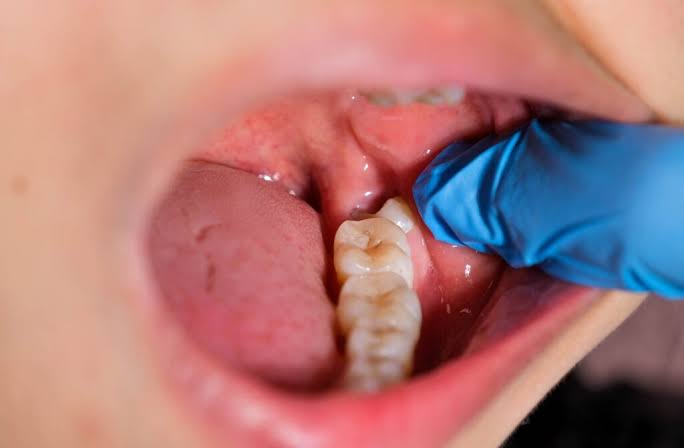
When a wisdom tooth does not erupt properly, it can be difficult to know whether it should be monitored or removed. Consulting third molar dentist in New BEL Road can help determine whether the tooth is healthy, positioned correctly, and capable of being maintained with regular oral hygiene. Although some wisdom teeth can remain in the mouth without causing problems, others may create infection, gum inflammation, tooth decay, or pressure on nearby teeth.
Wisdom teeth are the final set of molars to develop and usually appear during the late teenage years or early adulthood. Their development depends largely on available jaw space. If there is insufficient room, the tooth may remain beneath the gum, grow at an unusual angle, or emerge only partially. Understanding how wisdom teeth develop can help patients recognize when professional evaluation may be necessary.
Why Do Wisdom Teeth Sometimes Fail to Erupt Properly?
Normal tooth eruption occurs when a developing tooth gradually moves through the jawbone and gum tissue into its functional position. Wisdom teeth often face more obstacles because they are located at the very back of the dental arch.
Limited jaw space can prevent a wisdom tooth from reaching its normal position. It may tilt toward the neighboring molar, remain underneath the gum, or become only partly visible. In some cases, the tooth may remain completely covered by gum tissue or bone.
A tooth that has not fully emerged can be difficult to clean. Food particles and bacteria may collect around the area, increasing the possibility of gum inflammation and dental infection.
Not every unusual eruption automatically requires extraction. The tooth’s position, condition, surrounding gum tissue, symptoms, and ability to remain clean all need to be considered.
What Happens If You Leave a Problematic Wisdom Tooth Untreated?
The consequences of leaving a problematic wisdom tooth depend on its position and overall condition. A healthy and properly erupted tooth may remain without creating significant concerns. However, a tooth that is trapped, difficult to clean, or repeatedly inflamed may cause problems over time.
One common issue is recurring gum inflammation. When the tooth is only partially visible, a small section of gum tissue may cover part of its crown. This is known as a Gum flap.
Food debris can become trapped beneath this tissue. Bacteria can then multiply in the area, resulting in soreness, swelling, unpleasant taste, or bad breath.
Repeated inflammation should not be ignored simply because symptoms improve temporarily. The underlying tooth position may still make future episodes more likely.
Understanding Pericoronitis
Pericoronitis refers to inflammation of the gum tissue surrounding a partially erupted wisdom tooth. It commonly occurs when bacteria and food debris become trapped beneath the gum covering the emerging tooth.
Patients may notice pain or tenderness around the back of the mouth. Other symptoms can include swelling, difficulty chewing, unpleasant taste, bad breath, or discomfort while opening the mouth.
Pericoronitis may be mild and temporary in some people, while others experience repeated episodes. When inflammation continues to return, the dentist may investigate the cause and determine whether the tooth can be maintained or whether removal should be considered.
Good oral hygiene can help reduce bacterial accumulation, but it may not completely prevent recurring problems when the tooth’s position makes cleaning difficult.
What Are Wisdom Teeth Infection Symptoms?
Recognizing wisdom teeth infection symptoms can help patients seek professional care before the condition becomes more serious.
Possible signs include:
-
Pain around the back molar area
-
Swollen or tender gums
-
Redness around the tooth
-
Bad breath
-
Unpleasant taste
-
Difficulty chewing
-
Pus or discharge around the gum
-
Difficulty opening the mouth
-
Swelling around the jaw
-
Increased sensitivity around the neighboring molar
The presence of these symptoms does not automatically mean that extraction is required. A dental examination is needed to identify the cause and determine the appropriate treatment.
If swelling is severe or accompanied by difficulty swallowing or breathing, urgent dental or medical attention is important.
How Can an Impacted Tooth Create Complications?
An impacted tooth is unable to emerge normally because of insufficient space, an abnormal angle, or another obstruction.
The tooth may remain completely covered by gum or bone or may appear partially through the gum. In either situation, its position can make normal cleaning difficult.
Some impacted tooth complications include repeated inflammation, tooth decay, infection, gum problems, and potential damage to the neighboring molar.
An impacted wisdom tooth may also create pressure against the tooth in front of it. This can make the area difficult to clean and may contribute to plaque accumulation.
The severity of these complications varies. An impacted tooth that remains symptom-free may sometimes be monitored, while a tooth associated with repeated problems may require removal.
Dental imaging can help determine the exact position of the tooth, its roots, surrounding bone, and relationship with adjacent structures.
Can Wisdom Teeth Damage Nearby Teeth?
A wisdom tooth that grows toward the neighboring molar can create a difficult-to-clean area between the two teeth. Plaque and food debris may accumulate there.
Over time, this can contribute to decay or gum problems affecting the adjacent tooth. In some situations, pressure from an improperly positioned wisdom tooth can also make the surrounding area more difficult to maintain.
The risk depends on factors such as the angle of the tooth, available jaw space, oral hygiene, root development, and how closely it is positioned against the neighboring molar.
This is one reason dentists evaluate the surrounding teeth rather than examining the wisdom tooth in isolation.
When Should Wisdom Teeth Be Removed?
Many patients ask, when should wisdom teeth be removed? There is no single age or situation that applies to everyone.
Removal may be recommended when the tooth is causing repeated infection, significant decay, damage to a neighboring tooth, persistent gum inflammation, or other dental complications.
In contrast, a wisdom tooth that is healthy, fully erupted, correctly positioned, functional, and easy to clean may not need extraction.
A dental professional can assess the tooth clinically and use dental X-rays when necessary. The recommendation should be based on the patient’s individual condition rather than simply on the fact that it is a wisdom tooth.
What If the Tooth Is Causing Repeated Infections?
Repeated infection can indicate that the tooth’s position is creating an ongoing problem.
For example, a partially erupted wisdom tooth may repeatedly collect food beneath the gum flap. Cleaning may provide temporary improvement, but if the underlying problem remains, inflammation can return.
This recurring cycle may lead to repeated episodes of jaw discomfort, gum swelling, bad breath, or difficulty chewing.
In such cases, the dentist may discuss different management options. Depending on the tooth’s condition, these may include professional cleaning, monitoring, preventive care, or extraction.
Ignoring repeated episodes can make future flare-ups more inconvenient and potentially more complicated.
Can All Wisdom Teeth Be Kept?
No two wisdom teeth are exactly the same. Some patients have enough room for all four to erupt normally, while others may have one or more teeth that remain impacted.
A healthy tooth that is functioning properly and can be maintained with good oral hygiene may be kept.
However, if the tooth is consistently associated with infection, decay, gum disease, or damage to surrounding structures, keeping it may not be the most suitable long-term option.
Regular dental examinations make it easier to monitor changes and address concerns at an appropriate stage.
How a Dental Examination Helps
A dental examination can provide important information about the condition and position of the wisdom tooth. The dentist may inspect the gum tissue, neighboring molars, bite, and visible portion of the tooth.
An X-ray may also be recommended to evaluate the roots, surrounding bone, tooth positioning, and direction of eruption.
This assessment can help determine whether the tooth is likely to remain healthy or whether treatment should be considered.
Patients should mention previous episodes of pain, swelling, food trapping, bad breath, or difficulty opening the mouth. These details can help the dentist understand whether the problem is recurring.
What Should You Do If You Have No Pain?
The absence of pain does not necessarily mean that a wisdom tooth must be removed, but it also does not guarantee that everything is healthy.
Some dental problems can develop without noticeable symptoms during their early stages. A routine examination can help identify concerns before they become painful.
If your wisdom teeth have never been evaluated, discussing them during a regular dental visit can help you understand their position and condition. Your dentist can also explain whether continued observation is appropriate or whether preventive treatment should be considered.
Final Thoughts
Leaving a healthy wisdom tooth in place may be perfectly acceptable when it has erupted properly, functions normally, and can be kept clean. However, teeth that are impacted, partially erupted, or repeatedly inflamed may require closer attention. Understanding the risks of leaving wisdom teeth untreated can help patients make informed decisions about their oral health and seek professional evaluation when recurring symptoms appear.
At SmyleXL Professional Dental Care, patients can receive an assessment of their wisdom teeth and discuss suitable treatment options according to their individual condition. If you are looking for a Dental Care Clinic in new bel road, a professional evaluation can help determine whether your back molars should be monitored or treated.
Source : webseobacklink.com