
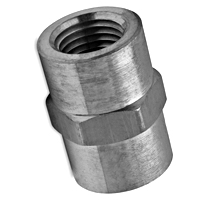
A blocked or damaged female zerk fitting stops grease from entering machine bearings, which leads to metal grinding, high heat, and catastrophic machine failure. These small ports act as grease doorways. When dirt blocks the path or the metal threads warp, lubricant cannot pass through. Grease guns will build up back-pressure and leak out the sides instead of entering the machine.
Without grease, dry bearings wear down quickly and cause sudden breakdowns. Work sites lose money because machines sit idle for repairs. Fixing the port early keeps grease lines clear and protects expensive hardware from friction damage.
Internal Friction and Overheating Issues
Blocked paths freeze the flow of fresh grease to spinning machine parts. Bearings require a thin film of oil to slide smoothly without scraping. Metal components rub together hard when the protective oil barrier disappears completely.
- Lack of grease increases friction.
- Bearings grind together quickly.
- High heat warps internal parts.
Severe friction generates extreme heat inside the enclosed housing. This heat can warp solid steel rollers and crack outer metal casings. Total part replacement becomes necessary when machinery runs completely dry for too long
High-Pressure Blockage Indicators
Grease guns behave differently when pushing lubricant against a solid wall of dirt. Operators will notice the pump handle becomes very stiff and hard to push down. Battery-powered grease guns may stall out completely under sudden stress.
- Pump handles turn stiff.
- Grease leaks from the tip.
- Internal hoses bulge out.
Thick grease will squirt out around the sides of the connection nozzle instead of moving forward. This mess coats the outside of the machine in sticky goo. Forcing the pump can pop high-pressure hoses right out of their metal crimps.
Contamination Entry Risks
Damaged port tops lose their ability to seal out external environment hazards. Broken check springs leave the internal ball valve stuck in an open position. Rain, mud, and sand can easily fall into the exposed open hole.
Dirty grit acts like liquid sandpaper inside smooth spinning bearing tracks. Sharp particles scratch the shiny metal balls until they lose their round shape. Keeping ports clean ensures only pure lubricant reaches the tight tolerance areas.
Broken Port Extraction Methods
Removing a twisted or snapped metal connector requires special tools to protect the machine housing. Mechanics use a specialized zerk fitting removal tool to back out the broken pieces safely. This device grips the inside wall of the damaged port without ruining the main mounting threads.
|
Extracted Fitting Thread Check |
Description |
|
Clean Threads |
Easy new part installation |
|
Damaged Threads |
Requires re-tapping hole |
Clearing out the broken debris prevents metal shavings from falling into the clean grease supply line. New parts screw in smoothly once the old, clogged hardware is completely gone. Regular tool maintenance makes the replacement job fast and easy for shop crews.
Machinery Lifetime Management
Checking grease ports weekly keeps big factory machines running without costly service delays. Small maintenance steps prevent minor blockages from turning into major engine failures over time. New ports cost very little compared to massive iron bearings.
- Simple checks stop big failures.
- Cheap parts save repair money.
- Regular cleaning keeps lines open.
Successful Industries keep extra spare parts on hand for quick field swaps. Replacing old, worn ports during oil changes keeps grease moving properly. Taking care of small hardware items ensures long machinery life and steady daily factory production.
Final Thoughts
Ignoring a faulty female zerk fitting leads to high heat, ruined bearings, and expensive breakdown bills. Taking time to clean or replace bad ports keeps grease flowing straight to critical moving joints. This simple maintenance habit keeps heavy industrial equipment healthy and running smoothly every single day.
Frequently Asked Questions
What causes grease ports to clog up?
Old grease can harden inside the small port channel over time. Dirt and dust from the workspace also mix with grease residue to form a solid plug that blocks new lubricant from entering.
How do you clear a blocked grease joint?
Clean the tip with a wire brush or use a specialized grease joint tool. Pumping light oil or heat into the port can also soften hardened clogs so grease flows freely again.
Can a machine run with a broken port?
Machines can run briefly, but the bearing will eventually run dry and seize. A broken port also allows harmful dirt and moisture to drop straight into the delicate internal mechanical parts.
How does an extraction tool remove broken ports?
The tool features reverse threads that bite into the center hole of the broken piece. Turning the tool counterclockwise unscrews the damaged metal out of the machine housing without ruining the surrounding threads.
How often should grease ports be replaced?
Replace them immediately when the ball check valve sticks open or the threads become stripped. Regular inspections during scheduled lubrication cycles help identify faulty connectors before total bearing failure occurs.