
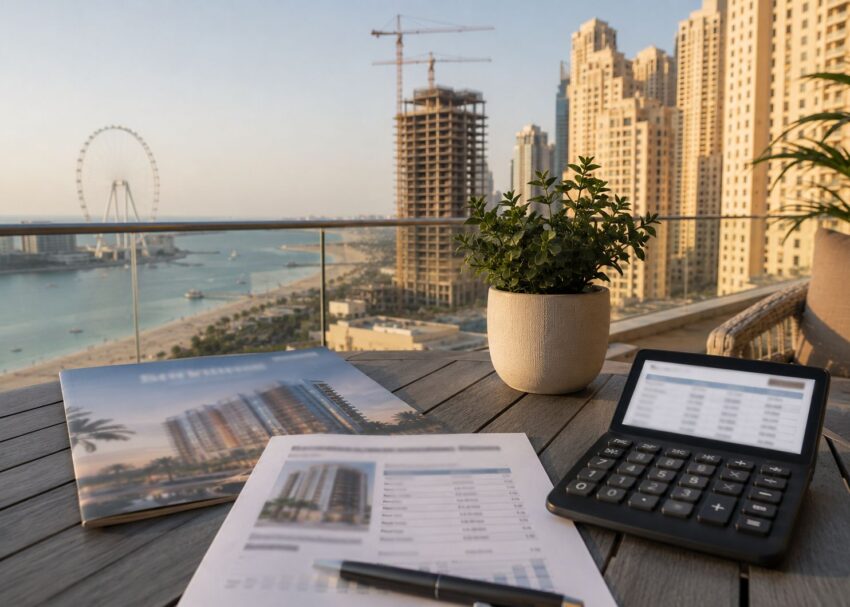
Dubai’s skyline is constantly evolving, with ambitious residential towers, waterfront communities, and integrated lifestyle projects transforming the city every year. These new developments are not only changing the appearance of Dubai but also reshaping how buyers access property financing. As developers launch modern communities with attractive payment structures, mortgage demand is becoming increasingly connected to off-plan and newly completed projects.
Today’s property buyers are more focused on flexibility, affordability, and long-term investment potential. This has encouraged banks and lenders to adapt their mortgage products to align with changing market dynamics. For many buyers, working with the best mortgage broker in Dubai has become an essential step toward navigating financing options linked to new developments and securing competitive mortgage terms.
The influence of new real estate projects extends far beyond construction. They impact lending strategies, buyer behavior, investment activity, and the overall structure of Dubai’s mortgage market.
New Developments Are Expanding Buyer Opportunities
One of the biggest ways new developments influence mortgage financing is by increasing the number of available properties across different price segments. Developers are launching projects that cater to a wide range of buyers, from luxury investors to middle-income residents.
As supply grows, buyers gain access to more financing opportunities because banks are eager to support projects developed by reputable companies.
New developments often attract buyers through:
- Flexible payment plans
- Modern infrastructure and amenities
- Lower entry prices during early launch phases
- Attractive long-term investment potential
This increased accessibility encourages more people to enter Dubai’s property market using mortgage financing.
Off-Plan Financing Is Becoming More Popular
Dubai’s off-plan property sector has seen strong growth in recent years. Buyers are increasingly purchasing properties before completion because developers frequently offer lower prices and extended payment schedules.
To support this demand, banks have introduced specialized mortgage solutions for off-plan projects. These financing structures are designed to reduce financial pressure during construction periods while still allowing buyers to secure ownership early.
Off-plan mortgage financing typically includes:
- Staged payment schedules linked to construction progress
- Lower upfront investment requirements
- Financing approvals for selected developer projects
However, lenders usually finance only projects developed by established and financially stable developers, ensuring reduced risk for both banks and buyers.
Developers and Banks Are Working More Closely
Another major trend influencing mortgage financing is the growing collaboration between developers and financial institutions. Many developers now partner directly with banks to offer pre-approved mortgage solutions for specific projects.
These partnerships benefit buyers because they simplify the financing process and reduce approval delays. In many cases, buyers can receive mortgage pre-approval before selecting a property unit.
Developer-bank collaborations often provide:
- Preferential mortgage rates
- Reduced processing fees
- Faster documentation procedures
- Exclusive financing packages for certain projects
This integration between developers and lenders is helping streamline Dubai’s property buying experience.
Luxury Developments Are Influencing High-Value Mortgages
Dubai’s luxury property sector continues to attract wealthy investors from around the world. New premium developments in locations such as Palm Jumeirah, Downtown Dubai, and Dubai Marina are driving demand for high-value mortgage financing.
Luxury buyers often seek customized mortgage structures that align with large investment portfolios and international income sources.
Banks are responding by offering:
- Higher loan limits for premium properties
- Tailored financing solutions for high-net-worth individuals
- Flexible repayment structures
- Private banking mortgage services
As luxury developments continue expanding, the mortgage market is adapting to accommodate larger and more sophisticated financing needs.
Affordable Housing Projects Are Expanding Mortgage Accessibility
Not all new developments focus on luxury buyers. Dubai is also seeing substantial growth in affordable and mid-market housing projects designed for long-term residents and working professionals.
These communities are creating greater accessibility to homeownership by lowering entry barriers for first-time buyers.
Affordable housing developments influence mortgage financing by:
- Increasing demand for smaller loan amounts
- Encouraging first-time homebuyer applications
- Supporting longer repayment terms
- Expanding financing options for salaried professionals
This segment is particularly important because it broadens the mortgage market beyond high-income investors.
New Infrastructure Improves Financing Confidence
Large-scale developments often include supporting infrastructure such as metro connections, schools, healthcare facilities, and retail centers. These additions increase the long-term value of surrounding communities and strengthen buyer confidence.
Banks are generally more willing to finance properties located in well-planned areas with strong infrastructure because these projects carry lower investment risk.
Communities with integrated infrastructure tend to experience:
- Higher property demand
- Stronger resale values
- Increased rental yields
- Greater long-term financing stability
This directly impacts mortgage approvals and property valuations within emerging districts.
Technology-Driven Developments Are Changing Buyer Expectations
Modern developments in Dubai increasingly focus on smart living technologies, sustainability, and digital convenience. Buyers today expect properties equipped with advanced security systems, energy-efficient features, and smart home integration.
As demand for innovative properties grows, lenders are beginning to consider sustainability and energy efficiency when evaluating financing opportunities.
Some banks are gradually exploring:
- Green mortgage initiatives
- Financing incentives for sustainable properties
- Reduced operational cost assessments
These financing trends are expected to become more important as Dubai strengthens its environmental and smart city initiatives.
Investor Activity Is Increasing Mortgage Demand
New developments attract both local and international investors seeking capital appreciation and rental income opportunities. As more investment-focused projects enter the market, mortgage demand continues increasing across residential and commercial sectors.
Investors are particularly drawn to developments offering:
- High rental return potential
- Prime locations near business hubs
- Flexible post-handover payment plans
- Strong developer reputations
Mortgage financing allows investors to diversify portfolios while preserving liquidity for additional investments.
The Role of Mortgage Advisors Is Becoming More Important
As Dubai’s property market grows more competitive, buyers increasingly rely on mortgage advisors to understand financing structures tied to new developments.
Mortgage specialists help buyers evaluate:
- Bank eligibility requirements
- Interest rate comparisons
- Off-plan financing conditions
- Total property acquisition costs
This guidance is especially valuable for first-time buyers and overseas investors unfamiliar with Dubai’s mortgage regulations.
International Buyers and Cross-Border Financing
Dubai’s global appeal continues attracting foreign investors looking to purchase residential and investment properties. Many overseas buyers now seek financing rather than relying solely on full cash transactions.
As demand rises, banks are expanding access to mortgages in Dubai for non residents through specialized lending programs tailored for international clients. These mortgage products allow foreign investors to participate in Dubai’s fast-growing property market while maintaining financial flexibility.
The increasing availability of cross-border financing is helping support continued growth in Dubai’s real estate sector and encouraging more international participation.
Conclusion
New developments are playing a major role in shaping Dubai’s mortgage financing landscape. From luxury waterfront projects to affordable housing communities, evolving real estate developments are influencing buyer behavior, lending policies, and financing accessibility across the market.
Banks, developers, and mortgage advisors are adapting to changing market demands by offering more flexible financing structures, faster approvals, and customized mortgage solutions. As Dubai continues expanding through ambitious urban development projects, mortgage financing will remain a critical driver of real estate growth.
Whether buyers are investing in off-plan properties, luxury residences, or long-term family homes, understanding how new developments influence mortgage financing can help them make smarter and more informed property decisions in Dubai’s dynamic real estate market.