
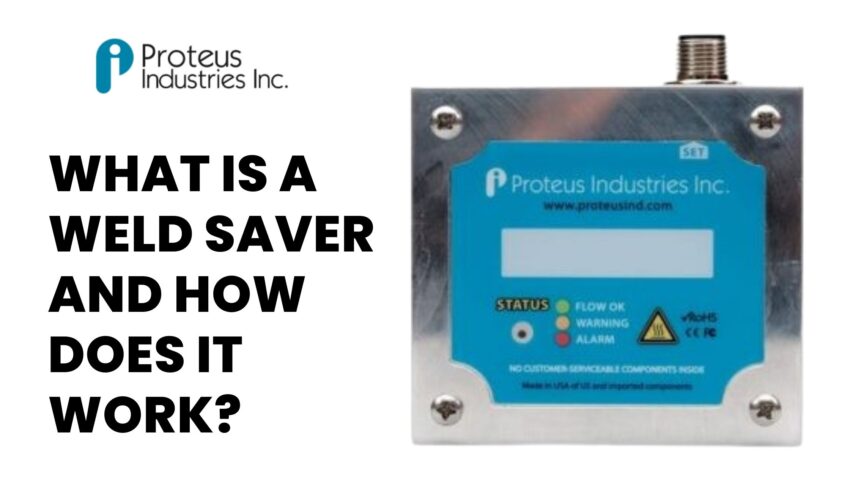
Industrial welding processes play a critical role in modern manufacturing. From automotive assembly lines to heavy machinery production, automated and robotic welding systems ensure precision, speed, and consistency. However, these systems depend heavily on proper cooling and uninterrupted operation. Even a small coolant leak can cause equipment damage and pose safety hazards. This is where a weld saver becomes essential. Designed to monitor coolant flow and instantly respond to leaks, a weld saver system acts as a protective shield for welding equipment. In this guide, you’ll learn what a weld saver is, how it works, why it’s important, and how it protects valuable industrial assets.
What Is a Weld Saver?
A weld saver is a specialized leak-detection and coolant-monitoring system used in robotic and automated welding applications. Its primary function is to detect coolant flow irregularities or leaks and immediately shut down the system to prevent damage.
In resistance and robotic welding operations, coolant circulates through welding guns, cables, and transformers to prevent overheating. If a leak occurs and goes undetected, it can damage electrical components and interrupt production. A weld saver continuously monitors coolant flow, pressure, and presence to ensure safe operation.
Why Weld Saver Systems Are Important?
A weld saver is not just an accessory; it’s a critical safety and protection device.
Prevents expensive equipment damage:
Coolant leaks can damage welding transformers, robotic guns, and control systems. A weld saver quickly detects issues before major damage occurs.
Reduces production downtime:
Unexpected breakdowns can halt entire production lines. Early detection allows for immediate response, minimizing downtime.
Improves workplace safety:
Coolant leaks can create electrical hazards and slippery surfaces. A weld saver reduces these risks by triggering instant shutdowns.
Protects robotic welding guns and transformers:
These components are expensive and sensitive. Continuous monitoring ensures they remain properly cooled and operational.
Main Components of a Weld Saver System
A typical weld saver system consists of several key components:
Flow Sensors
These sensors monitor coolant flow through the system and detect irregular flow patterns.
Leak Detection Sensors
They detect coolant outside designated channels, indicating potential leaks.
Control Unit or Controller
The controller processes sensor data and determines whether the system is operating within safe parameters.
Shut-Off Valve Mechanism
When a fault is detected, the valve immediately stops coolant supply to prevent further damage.
Alarm and Notification System
Alerts operators or communicates with a PLC system to trigger corrective action.
Together, these components make the weld saver an intelligent and responsive protection system.
How Does a Weld Saver Work? (Step-by-Step Process)
Understanding how a weld saver works helps highlight its value in industrial environments.
Coolant Flow Monitoring
The weld saver continuously monitors coolant circulation within the welding system. Flow sensors track volume and movement to ensure proper cooling.
Leak Detection
If coolant flow drops unexpectedly or sensors detect coolant in unauthorized areas, the weld saver flags it as a leak or an abnormal condition.
Automatic Shutdown
Upon detecting a fault, the system immediately activates the shut-off valve. This stops coolant supply and prevents electrical damage or overheating.
Alert & Safety Response
The weld saver sends an alert to operators or integrates with PLC and automation systems. This allows maintenance teams to identify and resolve the issue quickly.
This rapid response, often within milliseconds, prevents minor leaks from becoming major failures.
Applications of Weld Saver Systems
Weld saver systems are widely used across multiple industries:
Automotive Manufacturing:
Protects robotic welding guns on high-speed production lines.
Robotic Welding Lines:
Ensures uninterrupted automated welding operations.
Resistance Welding Systems:
Prevents coolant-related damage in high-current applications.
Heavy Industrial Fabrication:
Safeguards equipment used in large-scale structural manufacturing.
In all these applications, the weld saver ensures operational reliability and equipment longevity.
Benefits of Using a Weld Saver
Installing a weld saver provides several operational advantages:
- Extends equipment lifespan by preventing coolant-related damage
- Minimizes coolant loss and reduces waste
- Lowers repair and maintenance expenses
- Enhances production efficiency and reliability
- Improves system monitoring and fault detection
Over time, the cost savings and protection benefits far outweigh the initial investment in a weld saver system.
Installation and Maintenance Tips
To maximize weld saver performance:
- Ensure proper placement of flow and leak sensors
- Integrate the weld saver with existing PLC or automation systems
- Perform routine testing and calibration
- Follow preventive maintenance schedules
- Train operators to respond promptly to alerts
Regular inspection ensures the weld saver continues to function effectively.
Conclusion
A weld saver is a vital protection device in modern automated welding systems. Continuous monitoring of coolant flow, leak detection, and automatic shutdowns prevents costly equipment damage and production interruptions. In today’s fast-paced manufacturing environment, investing in a weld saver is not just about safety; it’s about efficiency, reliability, and long-term cost savings. For any operation relying on robotic or resistance welding, a weld saver system is an essential component of smart industrial protection.
Frequently Asked Questions (FAQs)
How often should a weld saver be tested?
Testing is recommended during routine maintenance checks, typically every 3–6 months, depending on system usage.
Can weld savers integrate with SCADA systems?
Yes, most modern weld saver systems support integration with PLC and SCADA platforms.
Are weld saver systems customizable?
Many manufacturers offer customizable configurations to fit specific industrial needs.
What industries benefit most from weld savers?
Automotive, appliance manufacturing, heavy fabrication, and automated production facilities benefit significantly from weld saver systems.
Can a weld saver detect small or slow leaks?
Yes, modern weld saver systems use sensitive flow and leak detection sensors that can identify even minor irregularities before they cause serious damage.