
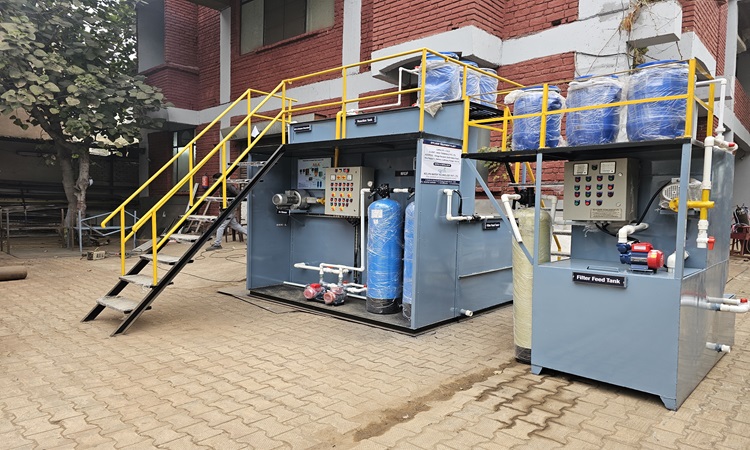
Industries play a vital role in economic growth, but they also generate large volumes of wastewater containing harmful pollutants. This raises an important question: What is an Effluent Treatment Plant (ETP), and why is it essential for treating industrial wastewater? An effluent treatment plant is a critical system that ensures industrial wastewater is treated safely before discharge or reuse, protecting both the environment and public health.
This article explores the concept, working process, types, benefits, challenges, and future importance of effluent treatment plants.
What Is an Effluent Treatment Plant (ETP)?
An Effluent Treatment Plant (ETP) is a specialized treatment facility designed to treat wastewater generated from industrial processes. Unlike domestic sewage, industrial effluent contains high levels of chemicals, oils, heavy metals, toxic compounds, suspended solids, and organic pollutants. The primary purpose of an ETP is to remove or neutralize these contaminants so that the treated water meets environmental discharge standards.
ETPs are commonly used in industries such as pharmaceuticals, textiles, chemicals, food processing, paper & pulp, and tanneries.
Why Is Effluent Treatment Necessary for Industries?
Industrial effluent, if discharged untreated, can cause severe environmental damage. Effluent treatment is necessary for several reasons:
- Environmental Protection
Untreated industrial wastewater pollutes rivers, lakes, and soil, causing long-term ecological damage.
- Regulatory Compliance
Environmental authorities require industries to meet strict discharge norms. Failure to comply can lead to penalties, shutdowns, or legal action.
- Public Health Safety
Industrial effluents may contain toxic substances that can contaminate drinking water sources and harm human health.
- Water Reuse and Conservation
Treated effluent can often be reused for cooling, washing, gardening, or industrial processes, reducing freshwater demand.
How Does an Effluent Treatment Plant Work?
The working of an effluent treatment plant involves a combination of physical, chemical, and biological processes.
- Preliminary Treatment
This stage removes large debris and floating matter using:
- Bar screens
- Oil and grease traps
- Equalization tanks to balance flow and pollutant load
- Primary Treatment
Chemical treatment is introduced to remove suspended solids and heavy contaminants.
- Coagulation and flocculation
- Primary clarifiers for settling solids
- Secondary (Biological) Treatment
Biological processes break down organic matter using microorganisms.
Common systems include:
- Activated Sludge Process (ASP)
- Moving Bed Biofilm Reactor (MBBR)
- Sequencing Batch Reactor (SBR)
- Aerobic and anaerobic treatment systems
- Tertiary Treatment
This stage ensures the treated effluent meets reuse or discharge standards.
- Pressure sand filters
- Activated carbon filters
- Reverse osmosis (RO) if high-quality reuse is required
- Disinfection using chlorine or UV
- Sludge Treatment
Sludge generated is thickened, dewatered, and safely disposed of or reused where permitted.
What Are the Different Types of Effluent Treatment Plants?
ETPs can be categorized based on design and application:
- Conventional ETPs
Used in large-scale industries with high effluent volumes.
- Compact ETPs
Suitable for small and medium industries with limited space.
- Zero Liquid Discharge (ZLD) Systems
Designed to eliminate liquid waste by recovering and reusing nearly all wastewater.
- Common Effluent Treatment Plants (CETPs)
Serve multiple small industries within an industrial cluster.
Where Are Effluent Treatment Plants Commonly Used?
ETPs are widely used in:
- Pharmaceutical industries
- Textile and dyeing units
- Chemical and petrochemical plants
- Food and beverage industries
- Tanneries and metal finishing units
- Paper and pulp mills
What Are the Key Benefits of an Effluent Treatment Plant?
Environmental Benefits
- Reduction in industrial pollution
- Protection of water bodies and soil
- Conservation of natural resources
Economic Benefits
- Reuse of treated water reduces freshwater costs
- Avoidance of penalties and compliance risks
- Long-term operational savings
Operational Benefits
- Improved process efficiency
- Better wastewater management
- Enhanced corporate sustainability image
What Challenges Do Effluent Treatment Plants Face?
Despite their advantages, ETPs face several challenges:
- Variation in Effluent Characteristics
Fluctuating pollutant loads make treatment complex.
- High Operating Costs
Energy consumption and chemical usage can be significant.
- Skilled Operation Requirement
ETPs require trained operators to ensure consistent performance.
- Sludge Disposal
Handling and disposal of sludge remain critical challenges.
These issues highlight the need for proper design, automation, and expert management.
What Role Does Technology Play in Modern ETPs?
Advancements in technology have significantly improved ETP efficiency:
- Automated dosing systems
- Online monitoring of pH, COD, and flow
- Energy-efficient aeration systems
- Advanced membranes and filtration technologies
How Do Effluent Treatment Plants Support Sustainable Development?
ETPs contribute to sustainability by:
- Reducing freshwater consumption
- Promoting industrial water recycling
- Lowering environmental footprints
- Supporting green manufacturing practices
What Is the Future of Effluent Treatment Plants?
The future of ETPs is driven by:
- Stricter environmental regulations
- Increasing water scarcity
- Adoption of Zero Liquid Discharge systems
- Smart monitoring and automation
Conclusion:
So, what is an effluent treatment plant, and why is it essential? An effluent treatment plant is the backbone of responsible industrial wastewater management. It ensures environmental protection, regulatory compliance, water conservation, and public health safety.
As industries continue to expand, efficient and well-managed effluent treatment plants will play a crucial role in achieving sustainable industrial growth and environmental preservation.