
Introduction to Puppy Parenthood
Bringing a new puppy into your home is one of the most exciting experiences you can have. From the moment you pick them up, your world changes. You are suddenly dealing with chewed-up sneakers, middle-of-the-night potty breaks, and an overwhelming amount of unconditional love. It is a time filled with joy, but it also brings a massive wave of responsibility. As a new pet parent in the United States, you want to do everything by the book to ensure your furry best friend grows up strong, happy, and ready for a long life by your side. However, the sheer amount of information out there can be incredibly daunting, especially when you start looking into veterinary requirements and the associated costs.
As you start scheduling vet visits and looking at the medical requirements, you might find yourself asking exactly what vaccinations a puppy needs to stay healthy without draining your bank account. It is a completely normal question, and frankly, it is the most responsible one you can ask. Veterinary care in America is not cheap, and sticker shock is a real thing for first-time dog owners. You want to provide the absolute best care possible, but you also need to protect your wallet. The good news is that understanding the basics of immunology and knowing exactly what shots are required versus what is optional can save you a significant amount of money while keeping your dog perfectly safe.
The Financial Reality of Preventive Care
When we talk about preventive healthcare for puppies, we are talking about an investment that pays massive dividends down the road. It can be tough to hand over your hard-earned bucks for shots when your puppy looks perfectly healthy running around your living room. However, the cost of prevention is a tiny fraction of the cost of treatment. Treating a disease like parvovirus can easily result in a veterinary bill that runs into the thousands of dollars, involving days in an intensive care unit, IV fluids, antibiotics, and round-the-clock monitoring. On the other hand, the vaccine that prevents this nightmare scenario is highly affordable and widely available at both private clinics and low-cost community vet centres. By viewing these early medical expenses as an insurance policy for your puppy’s future, you can navigate the financial aspect of pet ownership with peace of mind and confidence.
The Science Behind Puppy Immunity
To truly grasp why we vaccinate, it helps to understand a little bit about how a puppy’s immune system works. When puppies are born, they are not completely defenceless. They receive a temporary shield of immunity from their mother through her first milk, which is known as colostrum. This maternal antibody protection is incredible, but it comes with a catch. It is strictly temporary. As the weeks go by, those maternal antibodies begin to fade, leaving the puppy vulnerable to the harsh viruses and bacteria lurking in the environment. The tricky part for veterinarians is that as long as the mother’s antibodies are strong in the puppy’s bloodstream, they will actually block a vaccine from working. Because every puppy loses this maternal protection at a slightly different rate, vets administer a series of shots over several weeks. This staggered approach ensures that the moment the mother’s protection drops, the vaccine is there to take over, teaching the puppy’s own immune system how to fight off severe threats.
Breaking Down Core Puppy Vaccines
In the world of veterinary medicine, shots are divided into two main categories, and the first are the absolute non-negotiables. These are known as core puppy vaccines. The veterinary community and major animal health organisations across the United States have deemed these vaccines essential for every single dog, regardless of where they live or what their lifestyle looks like. These diseases are highly contagious, incredibly dangerous, and often fatal. They are also prevalent enough in the environment that your dog is almost guaranteed to be exposed to them at some point in their life. By focusing your budget on these mandatory protections first, you are securing the foundation of your dog’s long-term health.
The Crucial Role of the Rabies Vaccine
The first and perhaps most famous of the core requirements is the rabies vaccine. This is not just a medical recommendation; it is a strict legal requirement in every state across the country. Rabies is a viral disease that attacks the central nervous system, and it is entirely fatal once symptoms appear. It is also zoonotic, meaning it can be transmitted from animals to humans, usually through a bite from an infected wild animal like a raccoon, skunk, or bat. Because of the severe public health risk, local laws dictate exactly when your puppy must receive this shot. Keeping up with this requirement not only protects your beloved pet from a horrific illness but also protects you from severe legal and financial liabilities if your dog were to ever bite someone.
Protecting Against Canine Distemper
Another critical core requirement is the distemper vaccine. Canine distemper is a highly contagious and devastating virus that affects a dog’s respiratory, gastrointestinal, and central nervous systems. It is an airborne virus, meaning your puppy can catch it just by sharing the same airspace as an infected dog or wild animal. The early symptoms often look like a severe cold, with coughing and eye discharge, but it rapidly progresses to vomiting, diarrhoea, and eventually severe neurological issues like seizures and paralysis. There is no cure for distemper, and treatment is strictly supportive care, making vaccination the only true defence. It is a core component of the combination shot your vet will give your puppy during their early visits.
The Threat of Canine Parvovirus
Perhaps the most feared word among new dog owners and breeders alike is parvovirus. Parvo is a highly resilient virus that targets the rapidly dividing cells in a puppy’s body, most notably in the intestinal tract. It causes severe, bloody diarrhoea, extreme vomiting, and rapid dehydration. The terrifying thing about parvo is how hardy it is. It can survive in the soil of your local park or even in your own backyard for months or even years, withstanding freezing temperatures and most common household cleaners. A puppy does not even need to interact with an infected dog to catch it; simply sniffing the ground where an infected dog went to the bathroom months ago is enough. This extreme contagiousness is why vets are so adamant about keeping young, unvaccinated puppies away from public spaces until their shots are complete.
Understanding Canine Adenovirus
Rounding out the standard core combination is canine adenovirus, which actually comes in two types. Type one causes infectious canine hepatitis, a severe viral disease that targets the liver, kidneys, spleen, and lungs. Type two is heavily involved in respiratory infections and is one of the culprits behind kennel cough. The modern vaccine given to puppies uses the type-two strain to provide cross-protection against both the respiratory illness and the deadly hepatitis. Like distemper and parvo, this virus is spread through contact with infected bodily fluids. Including this in the core combination shot provides a massive shield of protection for your growing dog without requiring a separate injection.
Exploring Non-Core Lifestyle Vaccines
Once the core foundation is laid, you and your vet will need to have a conversation about non-core vaccines. These are not required for every dog, but they are highly recommended based on your specific geographic location and your puppy’s anticipated lifestyle. If you are extremely price-conscious, this is where you can have an honest discussion with your vet about risk versus reward. You do not need to buy every shot on the menu if your dog’s lifestyle does not warrant it. However, skipping a lifestyle vaccine that your dog actually needs can lead to massive medical bills down the road. It is all about assessing your unique situation.
Bordetella and the Social Puppy
If you plan on taking your dog to the neighbourhood dog park, dropping them off at doggy daycare while you work, using a commercial groomer, or boarding them while you go on vacation, the Bordetella vaccine is essentially mandatory. Bordetella bronchiseptica is the most common bacterial cause of kennel cough, a highly contagious respiratory disease. While kennel cough is rarely fatal in healthy adult dogs, it is incredibly annoying, causing a harsh, honking cough that can keep both you and your dog awake all night. Furthermore, in young puppies with developing immune systems, it can progress into dangerous pneumonia. Most reputable boarding and daycare facilities in the USA will demand proof of this vaccine before allowing your dog onto their premises.
Leptospirosis and Outdoor Adventures
Leptospirosis is a disease caused by spiral-shaped bacteria found in soil and water. It is spread primarily through the urine of infected wildlife, such as rats, raccoons, and deer. If you live in a rural area or a suburb with a lot of wildlife, or if you plan on taking your dog hiking, swimming in lakes, or camping, this vaccine is highly recommended. The bacteria thrive in standing water, meaning even a puddle in a city park can be a source of infection if an infected rat recently passed through. Leptospirosis can cause severe kidney and liver damage in dogs, and just like rabies, it is zoonotic and can be passed to humans. The vaccine is relatively inexpensive and offers great peace of mind for outdoorsy pet parents.
Lyme Disease and Tick Prevention
For pet parents living in the Northeast, Mid-Atlantic, or upper Midwest, Lyme disease is a massive concern. Transmitted by the bite of an infected deer tick, Lyme disease can cause fever, lameness, swollen joints, and severe kidney complications. If you live in an area where ticks are prevalent and your dog will be spending time in tall grass, wooded areas, or hiking trails, the Lyme vaccine is a smart investment. It is important to note that the vaccine works best when paired with a reliable monthly topical or oral tick preventative, providing a double layer of defence against these persistent parasites.
Navigating Your Options: The Canine Immunization Guide
When looking at the big picture of canine health, figuring out exactly what vaccinations a puppy needs is a collaborative effort between you and your local veterinarian. There is no one-size-fits-all answer because a Chihuahua living in a high-rise apartment in New York City faces entirely different environmental risks than a Labrador Retriever living on a sprawling farm in Texas. Your vet will serve as your personal canine immunisation guide, taking into account your budget, your geographic location, and your future plans for the dog. They will ask you questions about your travel habits, your housing situation, and your social plans for the puppy to build a perfectly customised medical roadmap. This tailored approach ensures you are not paying for protection your dog doesn’t need, while ensuring no dangerous gaps in their immune defence are left open.
Establishing a Puppy Vaccination Schedule
To make this whole process work, timing is absolutely everything. A standard puppy vaccination schedule generally begins when the puppy is between six and eight weeks old. During this first visit, they will usually receive their first round of the core combination vaccine, often referred to as DAPP (Distemper, Adenovirus, Parainfluenza, and Parvovirus). Around ten to twelve weeks of age, you will return for the second round of the core combo, and this is typically when lifestyle vaccines like Bordetella or leptospirosis are introduced if deemed necessary. The final puppy visit usually occurs between fourteen and sixteen weeks of age. At this crucial appointment, the puppy receives their final core boosters and their legally required rabies shot. It is only after this final round that veterinarians generally give the green light to take your puppy for walks in public neighbourhoods or to the local dog park.
The Importance of Puppy Booster Shots
Getting through that initial schedule is a huge milestone, but the journey of preventive care does not end there. A puppy’s immune system needs regular reminders of what it is supposed to be fighting. This is where puppy booster shots come into play. Approximately one year after their final sixteen-week appointment, your dog will need to return to the vet to have their core vaccines and their rabies shot boosted. This one-year booster is absolutely vital for solidifying their adult immunity. After this one-year mark, the schedule becomes much easier on your wallet and your calendar, with core vaccines usually only needing to be updated every three years, though lifestyle vaccines like bordetella and leptospirosis generally require annual updates.
What to Expect During the Vet Visit
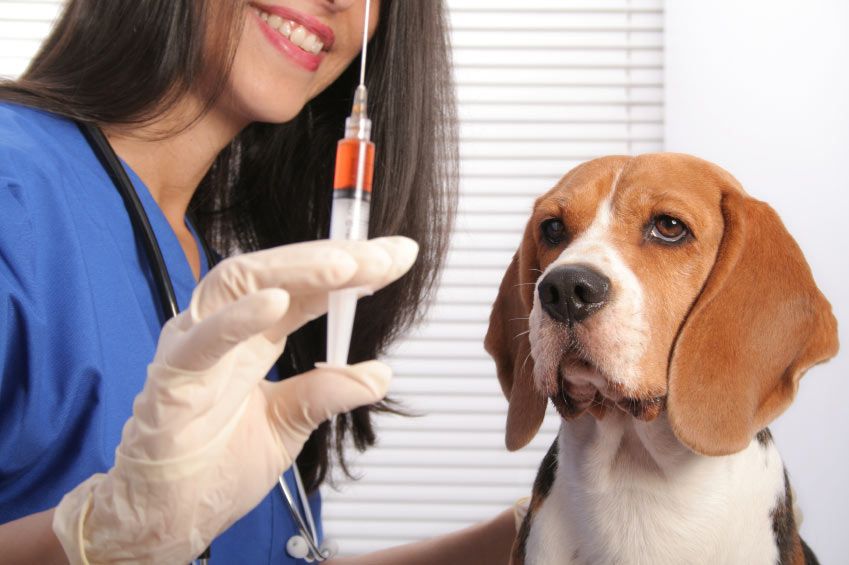
For a price-conscious and trust-seeking pet parent, the vet clinic can feel like an intimidating place. Knowing what to expect can alleviate a lot of that anxiety. When you bring your puppy in for their shots, the vet will not just immediately administer needles. A reputable veterinarian will first conduct a thorough nose-to-tail physical examination. They will check your puppy’s heart for murmurs, examine their eyes and ears, check for hernias, and assess their overall body condition. This physical exam is a vital part of the value you are paying for. It is also your best opportunity to ask questions about diet, behavioural training, and housebreaking. Bringing high-value treats and keeping the mood light and positive will help your puppy associate the vet clinic with good things, making future visits significantly less stressful for everyone involved.
Monitoring for Vaccine Reactions
Just like humans, puppies can sometimes feel a bit under the weather after receiving their immunisations. It is completely normal for your puppy to be slightly lethargic, sleep more than usual, or have a slightly reduced appetite for twenty-four to forty-eight hours after a vet visit. You might also notice a small, firm bump under the skin where the needle went in, which usually resolves itself within a few weeks. However, it is crucial to know the signs of a rare but severe allergic reaction. If your puppy experiences facial swelling, breaks out in hives, begins vomiting profusely, or has difficulty breathing, this is a medical emergency that requires an immediate return to the veterinary clinic. While these severe reactions are exceptionally rare, being vigilant and knowing what to look for is a core part of responsible pet parenting.
Smart Budgeting for Veterinary Care
Providing top-tier medical care for your new companion does not mean you have to go into debt. There are plenty of ways for savvy American pet owners to manage these costs effectively. First, consider looking into low-cost vaccination clinics hosted by local animal shelters or farm supply stores. These clinics often offer the exact same core vaccines at a fraction of the cost of a private veterinary practice, though you will miss out on the comprehensive physical exam. Another excellent option is pet health insurance. While traditional pet insurance is meant for accidents and illnesses, many providers offer optional wellness add-ons that cover the cost of routine vaccines, flea prevention, and annual exams for a flat monthly fee. Setting aside a dedicated pet emergency fund in a high-yield savings account is also a brilliant way to ensure you always have the cash on hand for booster shots and unexpected illnesses.
Partnering with Pet Soul Care for Your Journey
Navigating the transition from a tiny, fragile puppy to a robust, healthy adult dog requires patience, education, and the right resources. It is about building a circle of trust around your dog, from a veterinarian you respect to the brands you allow into your home. This is where Pet Soul Care steps in as a dedicated ally for devoted dog owners. By prioritising high-quality information, trusted products, and a deep understanding of the human-animal bond, Pet Soul Care aims to empower pet parents to make the best possible decisions for their furry family members. Whether you are seeking advice on the best nutritional support during the vaccination process or looking for tools to keep your dog mentally stimulated while they are quarantined indoors, leaning on trusted community resources makes the journey of pet parenthood significantly smoother and far more rewarding.
Conclusion on Puppy Health and Happiness
At the end of the day, taking charge of your puppy’s medical needs is the greatest act of love you can perform as a new owner. While the terminology can be confusing and the initial costs can be daunting, understanding the incredible science of immunity and the absolute necessity of core protections gives you the power to make smart, budget-friendly choices. By adhering to a proper schedule, communicating openly with your trusted veterinarian, and staying educated on lifestyle risks, you are setting your dog up for a lifetime of vibrant health. The small pinch of a needle and the temporary dent in your wallet are insignificant compared to the years of joyful walks, enthusiastic tail wags, and deep companionship that a healthy, fully protected dog will bring into your life. Embrace the process, stay proactive, and enjoy every single moment of watching your puppy grow into a magnificent adult dog.