
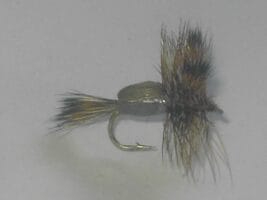
Hand tied egg flies imitate fish eggs, one of the easiest food sources available to trout. Their realistic appearance, balanced design, and natural movement make them effective throughout different fishing seasons in Kenya.
Whether you fish in rivers, streams, or still waters, choosing a well-made hand tied egg flies pattern can improve presentation and increase your chances of attracting trout without relying on complicated techniques.
Why Do Trout Respond So Well to Hand Tied Egg Flies?
Trout naturally feed on loose eggs because they provide a rich source of nutrients while requiring very little effort to eat. During spawning periods, eggs drift naturally with the current, making them an easy target.
A carefully tied egg fly works because it mimics this natural food source.
Key reasons they work
- Realistic egg imitation matches what trout expect to see.
- Bright yet natural colors remain visible in different water conditions.
- Soft materials allow natural movement underwater.
- Lightweight construction creates a realistic drift.
Experienced anglers know that presentation usually matters more than simply changing fly patterns.
When Are Egg Flies Most Effective?
Egg fly patterns perform well throughout the year, although certain periods produce more consistent results.
They become especially productive:
- During trout spawning seasons
- Shortly after heavy rainfall
- In cold water conditions
- In slower pools below spawning areas
- Along river seams where food naturally collects
Many successful guides recommend changing drift depth before changing the fly itself because depth frequently determines whether trout notice the presentation.
How Does Hand Tying Improve Fly Performance?
Machine-produced flies may look similar from a distance, but small differences become noticeable in the water.
A quality handcrafted trout flies pattern offers several practical advantages.
Benefits of skilled hand tying
- Better material placement
- Consistent proportions
- Strong thread wraps
- Improved durability
- Natural underwater profile
Each fly receives individual attention rather than mass-production handling, resulting in greater consistency on the water.
Which Materials Make a Difference?
The quality of materials directly affects both appearance and durability.
Professional fly tiers typically select materials that maintain shape after repeated casts and multiple catches.
Common features include:
- Soft yarns for realistic texture
- UV-resistant materials
- Strong tying thread
- Durable hooks
- Carefully blended color combinations
High-quality materials also help the fly maintain buoyancy and shape throughout extended fishing sessions.
Can Color Selection Influence Success?
Yes. Water clarity, sunlight, and trout feeding behaviour all influence which colors perform best.
Experienced anglers usually carry several options instead of relying on a single shade.
Popular choices include:
- Orange
- Peach
- Pink
- Cream
- Chartreuse
Rather than assuming one color works everywhere, successful anglers match the fly to current water conditions.
How Should You Fish Egg Patterns Naturally?
A natural drift remains one of the most important factors.
Instead of pulling the fly through the water, allow the current to move it naturally.
Practical steps
- Cast slightly upstream.
- Maintain a drag-free drift.
- Watch the leader carefully.
- Set the hook immediately after any hesitation.
- Adjust weight when needed.
Small adjustments in presentation frequently produce better results than constantly changing flies.
What Does Research Say About Natural Food Imitation?
Fish biology studies have consistently shown that trout conserve energy whenever possible by feeding on easily available food sources instead of chasing fast-moving prey.
Eggs drifting downstream fit this behaviour perfectly because they provide concentrated nutrition with minimal effort.
This explains why realistic egg imitations continue to remain effective across different trout fisheries worldwide, including Kenyan rivers.
Rather than triggering aggressive strikes, these flies often encourage confident feeding responses.
What Mistakes Reduce Success with Egg Flies?
Even excellent flies cannot compensate for poor presentation.
Some common mistakes include:
- Fishing too quickly
- Using oversized indicators
- Ignoring water depth
- Repeatedly casting into identical spots
- Choosing unrealistic colors for clear water
Experienced anglers regularly adjust leader length, weight, and drift before replacing their fly.
Why Does Craftsmanship Matter for Long Fishing Days?
A well-tied fly should continue performing after multiple fish, repeated casts, and extended use.
Strong thread tension, quality hooks, and carefully secured materials help maintain the original shape.
Reliable craftsmanship also means:
- Less time replacing damaged flies
- More consistent presentation
- Better hook positioning
- Longer product lifespan
- Greater confidence on the water
These practical advantages become noticeable during long fishing sessions where durability matters as much as appearance.
Looking for Premium Hand Tied Egg Flies in Kenya?
If you value dependable craftsmanship and consistent fishing performance, choosing experienced fly tiers makes a significant difference.
Trout Fly Fishing Flies Kenya has spent years producing premium handcrafted trout flies inspired by Kenya’s rich aquatic ecosystems and fly-fishing heritage. Every pattern is individually tied using carefully selected materials, rigorously tested for real fishing conditions, and hand-inspected before delivery. From rivers and streams to lakes, each fly is designed to provide reliable performance for anglers across the world while reflecting the traditional craftsmanship developed in the Kenyan highlands.
Contact Information
Trout Fly Fishing Flies Kenya
Lr No, Limuru/Rironi 1129, Rironi Kinguru Road
Limuru East, Limuru, Kiambu
P.O. Box 937-00217, Kenya
Email: francis@troutflyfishingflieskenya.com
Phone:
+254-208-117733
+254-720-968005
Website: https://troutflyfishingflieskenya.com/