
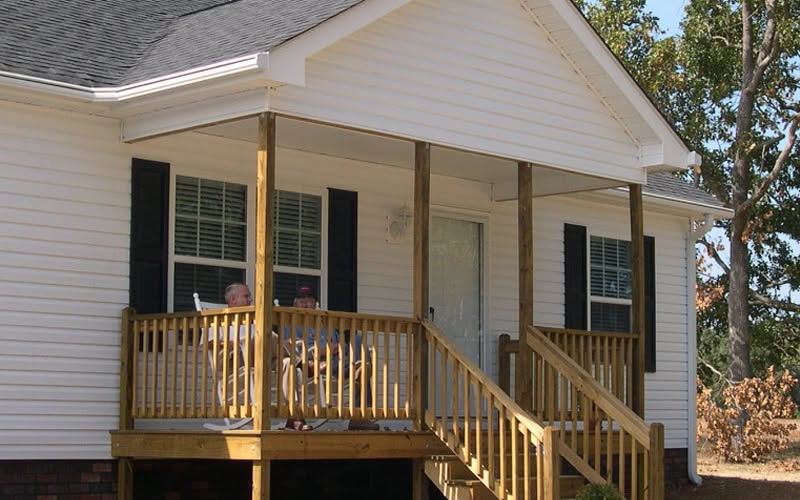
A deck provides valuable outdoor space for relaxing, entertaining, and enjoying your property. However, constant exposure to moisture, changing temperatures, sunlight, and everyday use can gradually damage the structure. Knowing when to repair deck in Chattaroy, WA can help homeowners address small problems before they become expensive structural issues.
Deck damage is not always obvious. A few cracked boards may appear harmless, but soft wood, loose railings, movement, or damaged structural connections can indicate a more serious problem. Regular inspections can help identify these concerns early.
When Should You Repair a Deck?
The best time to repair a deck is when you first notice signs of deterioration. Waiting until boards become severely damaged or the structure becomes unstable can increase both repair costs and safety risks.
Common signs that indicate it is time for deck repair in Chattaroy, WA include soft boards, visible rot, loose railings, cracked wood, damaged stairs, protruding fasteners, and movement when walking across the deck. Structural warning signs such as a failing ledger, damaged posts, or significant deck movement should receive professional attention promptly.
What Are the Main Signs Your Deck Needs Repair?
Soft or Rotted Deck Boards
Soft or spongy boards are one of the most common warning signs. Moisture can cause wood deterioration over time. If a board feels unusually soft underfoot or easily accepts a screwdriver, it may need replacement.
A few isolated damaged boards can often be repaired without rebuilding the entire deck, provided the underlying framing remains sound.
Loose Railings
Deck railings should remain firm when pressure is applied. A railing that moves, wobbles, or has loose connections should not be ignored because it can create a fall hazard.
Repairing the railing early may be considerably simpler than dealing with a larger structural problem later.
Cracked or Damaged Wood
Small surface cracks are not always serious, but larger cracks around fasteners, joists, posts, or other structural areas deserve closer inspection. Significant deterioration in structural components can affect the deck’s ability to safely carry loads.
Sagging or Movement
A deck that feels unusually bouncy, slopes unexpectedly, or moves when people walk across it may have an underlying structural issue.
The ledger, joists, beams, posts, and footings are especially important because these components support the deck. A professional inspection can determine whether reinforcement or replacement is necessary.
When Is the Best Season for Deck Repairs?
Homeowners can address deck problems whenever safety requires it, but seasonal planning can make maintenance easier.
Fall is a particularly useful time to identify and address exterior problems before colder and wetter conditions arrive. Recent home maintenance guidance specifically recommends repairing soft or broken deck boards before winter weather can worsen deterioration.
Spring is also a good opportunity to inspect a deck after winter. Look for new cracks, loose hardware, moisture damage, damaged railings, and areas where water may have collected.
Rather than waiting for a specific season, homeowners should prioritize repairs as soon as a safety or structural concern becomes apparent.
Should You Repair or Replace Your Deck?
Not every damaged deck needs complete replacement.
Repair is generally more practical when damage is limited to individual boards, railings, stairs, or other localized areas while the underlying framing remains structurally sound.
Replacement may become more appropriate when rot is widespread throughout the framing, posts or footings are failing, the ledger connection is compromised, or extensive repairs would provide little long term value.
A professional evaluation is particularly important when damage involves structural components rather than only the surface decking.
How Can Homeowners Prevent Deck Problems?
Regular maintenance can help extend the useful life of a deck. Homeowners should periodically inspect boards, railings, stairs, fasteners, posts, and the deck’s connection to the house.
Keeping the deck clean can also help homeowners notice developing problems sooner. Water should not remain trapped against wood, and drainage around the deck should be monitored.
Homeowners should also address minor damage rather than allowing it to remain exposed to moisture for extended periods.
A Practical Chattaroy Example
Consider a homeowner who notices two soft boards and a slightly loose railing during a fall inspection. The problem may be relatively straightforward if the framing underneath is still solid.
Replacing the damaged boards and securing the railing could restore the deck without requiring a complete rebuild.
Now imagine that the homeowner also discovers rotted joists, damaged posts, and movement where the deck connects to the house. Those findings suggest a much more significant structural issue. In that situation, a professional should evaluate the deck before continued use.
Choosing a Deck Repair Professional
When searching for deck repair in Chattaroy, WA, homeowners should choose a contractor who can evaluate both visible and hidden components.
VT Construction is a local Chattaroy business listed as a handyman service, while American Craftsman Construction and Remodel is a construction company located in Chattaroy. Homeowners can investigate local providers and compare their experience, project scope, and estimates before selecting a contractor.
A qualified professional should explain whether the issue requires simple repairs, structural reinforcement, or more extensive replacement.
Conclusion
Knowing when to repair deck in Chattaroy, WA can help protect both your outdoor living space and your household. Soft boards, rotting wood, loose railings, cracked structural components, and unusual movement should not be ignored.
Minor damage can often be repaired when the main structure remains sound. More extensive deterioration may require a professional assessment to determine whether repair or replacement is the safer and more practical solution.
Regular inspections, especially before and after harsh weather, can help homeowners identify problems early. Addressing deck damage promptly can also help prevent a small maintenance issue from becoming a major structural project.