

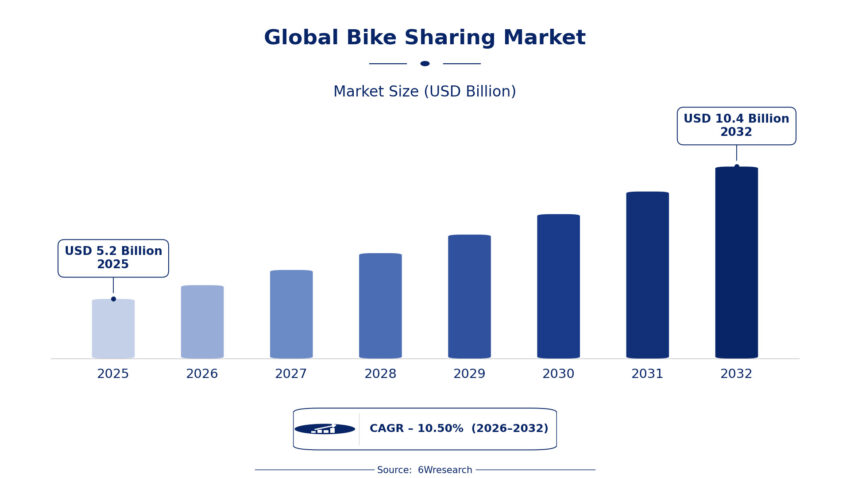
Cities around the world are rethinking how people move as congestion, parking limitations, environmental concerns, and changing commuter expectations put pressure on traditional transportation systems. In this environment, the Global bike sharing market is gaining attention as a practical solution for short-distance travel and connected urban mobility. Shared bicycles can provide convenient access without requiring individual ownership, while digital technology and improved cycling infrastructure are making these services easier to operate and use.
Advantages of Investing in the Global Bike Sharing Market
The Global bike sharing market offers growing opportunities as cities look for transportation solutions that can complement existing public transit systems. Bike-sharing networks can serve busy commercial districts, residential neighborhoods, universities, tourist destinations, and transportation hubs where short-distance mobility is in constant demand.
For investors and operators, the market can provide opportunities to build scalable mobility networks. Digital platforms can help manage bicycle availability, track usage, process payments, and identify locations with strong demand. GPS technology and connected systems can further improve fleet management by allowing operators to understand where bicycles are being used and when repositioning is required.
The growing focus on smart cities can strengthen this investment opportunity. As urban governments increasingly explore connected transportation systems, bike sharing can become part of a larger mobility ecosystem. Businesses that can combine reliable bicycles, efficient technology, and strategic infrastructure may be well positioned to benefit from this transition.
Why People Prefer Bike Sharing for Future Growth
Consumer preferences are changing as urban residents look for transportation options that provide convenience without the cost and responsibility of vehicle ownership. Bike sharing allows people to access a bicycle when needed rather than purchasing, storing, and maintaining one.
For short journeys, shared bicycles can offer a flexible alternative to cars and other motorized transportation. They can be particularly useful in crowded city centers where traffic and parking can make private vehicle travel less convenient.
Affordability can also influence adoption. Users generally pay for the service when they need it, which can make shared cycling attractive for occasional commuters, students, tourists, and residents who do not want to own a bicycle.
These factors can support future demand as more people become familiar with shared mobility. The Global bike sharing market can benefit from this behavioral shift as cycling becomes increasingly integrated into everyday urban travel.
Search Visibility Through Smarter Bike-Sharing Services
Technology is changing how customers discover and use bike-sharing services. Mobile applications can provide information about bicycle availability, station locations, pricing, routes, and payment options. This makes the overall service more accessible while allowing operators to communicate directly with users.
Digital platforms can also improve operational decision-making. Usage data can show which areas experience the highest demand, helping operators position bicycles where they are most likely to be needed. Over time, this data-driven approach can improve service availability and reduce inefficient fleet distribution.
Online visibility is becoming increasingly important as transportation services compete for consumer attention. Operators that provide a simple digital experience and clear service information can make it easier for new customers to discover and adopt shared cycling.
As technology becomes more closely integrated with physical transportation infrastructure, digital innovation is likely to remain an important factor shaping the Global bike sharing market.
Demand and Benefits Are Supporting Urban Mobility
The increasing demand for flexible transportation is one of the reasons cities are considering bike sharing. Traditional public transportation is essential for moving large numbers of people, but it may not always provide direct access to a person’s final destination. Bike sharing can help close this gap.
First-mile and last-mile connectivity is particularly important. A commuter can use a shared bicycle to reach a metro or train station and then use another bicycle to complete the final part of a journey. This creates stronger connections between different transportation modes.
Bike sharing can also provide benefits for urban space. Bicycles require less road and parking space than private cars, making them suitable for dense areas. When supported by appropriate infrastructure, shared cycling can become an efficient option for short-distance travel.
These benefits help explain why the Global bike sharing market is increasingly being considered as part of broader urban mobility planning rather than as a standalone transportation service.
Enhance User Experience With Connected Mobility
A convenient user experience is essential for encouraging repeat usage. Customers expect to find a bicycle easily, unlock it quickly, pay without complications, and complete their journey without unnecessary barriers.
Mobile applications, QR-based unlocking, digital wallets, real-time availability information, and GPS-enabled bicycles can simplify this process. Improved bicycle design and maintenance can further strengthen customer satisfaction.
Electric bicycles are also expanding the possibilities of shared mobility. E-bikes can make cycling easier over longer distances and on routes with slopes, potentially attracting users who may not regularly choose conventional bicycles.
For operators in the Global bike sharing market, improving the complete customer journey can help build loyalty and encourage greater usage. The combination of convenience, technology, and reliable service can make shared cycling more competitive with other urban transportation options.
Lifestyle Benefits From the Global Bike Sharing Market
Bike sharing can fit naturally into changing urban lifestyles. Cycling provides an opportunity to combine transportation with physical activity, allowing users to incorporate movement into their daily routines.
The lifestyle appeal is also connected to growing interest in sustainable choices. Consumers who want to reduce their dependence on private vehicles may view shared bicycles as a practical transportation alternative for short trips.
Tourism can provide another source of demand. Visitors can use shared bicycles to explore city centers, parks, shopping areas, cultural attractions, and local neighborhoods. The flexibility of cycling can make it easier for tourists to travel beyond conventional public transportation routes.
As urban residents increasingly prioritize convenience, flexibility, wellness, and sustainable living, these lifestyle benefits can support continued growth in the Global bike sharing market.
Infrastructure Development Can Strengthen Market Potential
Infrastructure is one of the most important factors influencing the long-term development of bike sharing. Dedicated cycling lanes can improve safety, while strategically located docking stations can make bicycles easier to access.
Secure bicycle parking, e-bike charging facilities, smart docking systems, and connections with public transportation can further improve the overall ecosystem. When cities invest in these facilities, bike sharing can become more convenient and visible to residents.
Infrastructure development can also encourage people who may be hesitant to cycle in areas with heavy traffic. Safer and better-connected cycling networks can increase confidence and support broader adoption.
As cities develop smart mobility infrastructure, bike-sharing systems can increasingly connect with other digital transportation services. This integration can create a more coordinated and efficient urban mobility environment.
Wrapping Up
The Global bike sharing market is becoming increasingly relevant as cities search for smarter, more flexible, and sustainable transportation solutions. Rising congestion, evolving consumer preferences, digital innovation, public transportation integration, and infrastructure investment are all contributing to the growing importance of shared cycling.
For investors, the market presents an opportunity to participate in the broader shift toward connected urban mobility. Successful bike-sharing services can combine digital platforms, reliable bicycles, strategic locations, and strong infrastructure to meet the changing needs of city residents.
For users, the appeal is straightforward: convenient transportation without the responsibilities of ownership. For cities, bike sharing can complement existing public transportation while supporting more efficient short-distance mobility.
With urban populations continuing to grow and transportation habits evolving, the potential of the Global bike sharing market remains significant. Investing now can allow businesses to establish a stronger position as shared mobility becomes increasingly integrated into city transportation systems and consumers continue to seek convenient alternatives for everyday travel.
Who We Are
About 6Wresearch
6Wresearch is a commercial strategy and growth advisory firm founded in 2011 and headquartered in New Delhi, India, with partners across Southeast Asia and the Middle East & Africa. The firm has delivered over 20,000 commercial engagements for over 2,000 organizations, including Fortune 500 companies, government agencies, and multilateral institutions such as the World Bank and the Asian Development Bank. Backed by proprietary market research and advanced analytics, 6Wresearch combines sector expertise with data-driven intelligence to help organizations navigate market complexity and drive sustainable growth. These capabilities explain why organizations trust 6Wresearch Global Market Research & Consulting Firm for reliable commercial insights and confident decision-making.
Our Proprietary Platform: 6W Export GTM
6W Export GTM is 6Wresearch’s proprietary trade intelligence and go-to-market platform, built on UN Comtrade data and enhanced with 6Wresearch’s in-house analytical and simulation models, including system dynamics-based forecasting. Unlike broad, sector-level market sizing tools, 6W Export GTM operates at the individual product level down to specific HS codes and micro-segments to identify precise, actionable export opportunities by country and product pair, including markets where trade currently does not exist. This granular, simulation-driven approach allows 6W Export GTM to surface opportunities that sector-wide analysis typically misses, positioning it among a small number of platforms globally offering this depth of product-and-country-specific export intelligence.
Read More..