
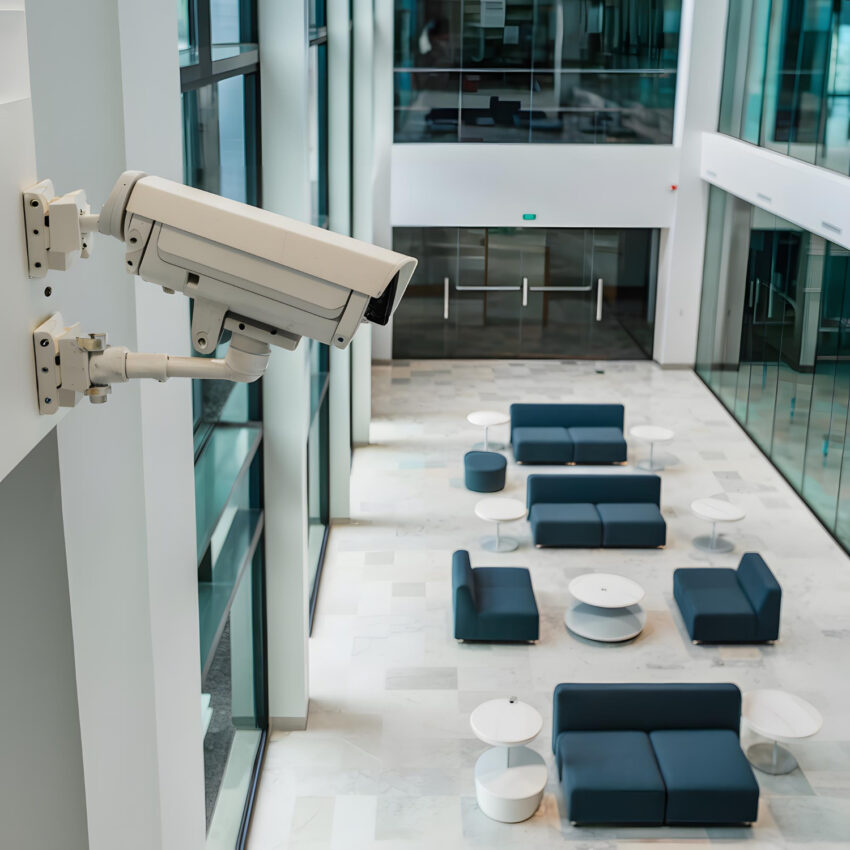
It is easy to assume that more cameras automatically create better protection. In reality, a crowded system can still fail if the images are unclear, the angles are poorly chosen or the recording cannot be found when needed. When comparing cctv security systems perth options, property owners should judge them by the quality and usefulness of the evidence they produce, not simply by the number of devices installed.
For a homeowner, useful evidence may show a face at the front door, a vehicle entering the driveway or movement through a side gate. For a business, it may show an interaction at a counter, access to a restricted room or goods moving through a loading area. The required outcome should guide every technical decision.
What Makes Footage Useful?
Useful footage provides enough context and detail to explain an event. It should help a viewer answer practical questions without relying on assumptions.
Strong recorded evidence may show:
- Where the event took place
- The direction a person or vehicle travelled
- The time and sequence of activity
- Clothing, behaviour or physical characteristics
- Vehicle type, colour or identifying details
- The moments before and after the main incident
- The relationship between activity on different cameras
A single close image may provide identification but no context. A very wide image may provide context but little detail. Good system design often combines both.
Resolution Alone Does Not Guarantee Identification
Higher resolution can improve detail, but it cannot correct every problem. A person occupying a very small part of the frame may still be difficult to identify. Fast movement, low light, glare, compression and poor focus can reduce the value of an otherwise high-resolution camera.
The scene must be designed so the subject appears at a useful size. This may involve narrowing the field of view, placing the camera closer to the target area or adding a second device for a specific identification point.
Camera Angle Changes the Story
A camera placed high under the eaves may cover a large area, but steep angles can hide faces beneath hats or reduce the visibility of objects in a person’s hands. A lower angle may capture better detail but require protection against interference.
When arranging cctv camera installation perth, property owners should expect a balance of overview, identification and physical security. The installer should also consider where people naturally pause, turn or face the camera, such as gates, doorways, intercom points and payment areas.
Avoid Common Angle Problems
Look for the following issues during a review:
- Large sections of unnecessary sky or ceiling
- Walls occupying too much of the image
- Subjects moving only across the far edge of the frame
- Direct sunlight behind an entrance
- Reflections from glass or polished surfaces
- Cameras aimed through dirty or tinted windows
- Important areas blocked by doors, shelves or vehicles
Small angle changes can sometimes improve evidence without adding equipment.
Night Performance Must Be Tested in Real Conditions
A daytime demonstration does not prove that a system will perform well at night. Outdoor lights, vehicle headlights, rain, insects and reflective surfaces can change the image significantly.
Test recordings at the actual times when risk is highest. Ask someone to walk towards the entrance, move along a side path and stand near a vehicle. Review the saved footage instead of relying only on the live view. This reveals whether motion blur, overexposure or deep shadows affect important details.
Accurate Time and Reliable Storage Are Part of the Evidence
Clear images can lose value if the timestamp is wrong or the recording has already been overwritten. Time settings should be checked after power interruptions, network changes and daylight-saving adjustments where relevant to connected devices or shared systems.
Storage should be planned around camera count, resolution, frame rate, recording mode and the period for which footage needs to remain available. Continuous recording may provide a complete timeline, while event recording can extend retention but depends on accurate detection settings.
Retrieval Should Be Simple Under Pressure
After an incident, users may need footage quickly. A well-organised system should allow an authorised person to locate the correct camera and time, review the sequence and export the relevant section.
A basic incident process can include:
- Record the approximate date, time and location.
- Review the relevant camera before searching the whole system.
- Check footage immediately before and after the event.
- Export a working copy in the required format.
- Preserve the original recording where possible.
- Store and share the export securely.
Regular practice helps prevent delays when the footage is genuinely important.
More Cameras Can Create New Problems
Adding equipment without a plan may increase storage use, network traffic, maintenance and the time required to search recordings. Overlapping views can be useful, but unnecessary duplication creates clutter.
Before adding a camera, define its job. Will it identify faces, provide a property overview, monitor an asset, confirm a vehicle route or cover a gap between existing views? If the purpose is unclear, the new device may not improve the outcome.
Why Choose HomeSafe Securities?
HomeSafe Securities supplies and installs CCTV, alarm and intercom solutions for Perth homes and businesses. The company’s site-specific approach considers property layout, entry points, camera angles, lighting, recording requirements and user needs. It also includes setup and handover, helping customers understand how to view and manage the system after installation.
When researching cctv camera perth options, ask to see how the proposed positions will produce useful evidence in your real environment. Discuss night conditions, likely movement, storage expectations, mobile access and the steps required to export footage. These questions are more valuable than selecting a package only by camera quantity.
A strong surveillance system tells a clear story. It shows the event, preserves the relevant detail and allows authorised users to retrieve it without confusion. Focusing on evidence quality first helps property owners invest in coverage that remains useful when it matters most.