
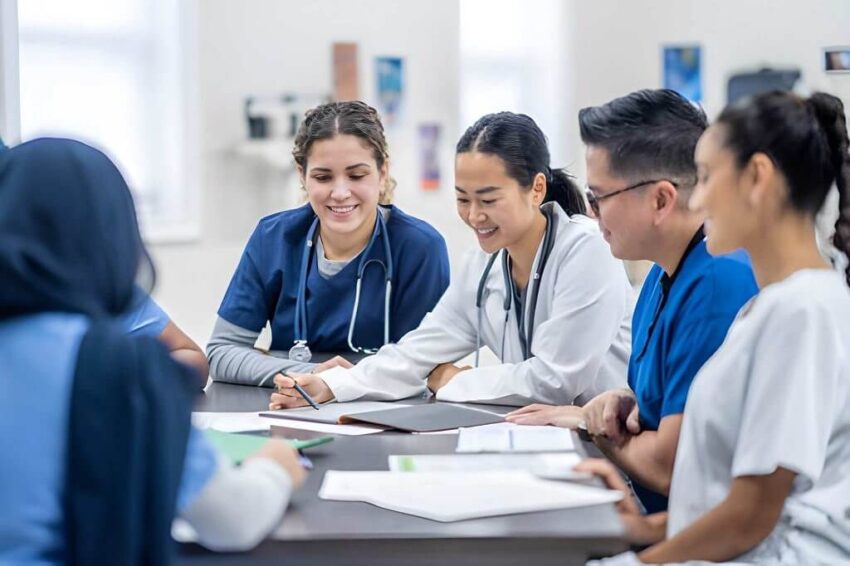
In today’s fast-changing healthcare world, the importance of reliable and compassionate nursing support cannot be overstated. Families across the state are increasingly looking for trusted solutions that ensure their loved ones receive proper care at home or in medical settings. This is where organizations like Care Connection LLC play an important role in shaping how nursing care services are delivered in Washington.
Whether you are a family member seeking support or someone exploring opportunities in healthcare jobs, understanding the value of quality nursing care services can help you make better, more informed decisions.
Understanding Nursing Care Services in Washington
Nursing care services go far beyond basic medical assistance. In Washington, these services are designed to support individuals who need help due to aging, chronic illness, disability, or recovery after surgery.
At their core, nursing care services focus on:
- Medical monitoring and support
- Assistance with daily living activities
- Medication management
- Emotional and psychological support
- Rehabilitation and recovery assistance
The demand for skilled nursing care has grown rapidly as more families prefer home-based care over long hospital stays. This shift has made quality care providers even more essential in the healthcare ecosystem.
Why Quality Care Makes a Real Difference
Not all care services are the same. The difference between standard support and high-quality nursing care can significantly affect a patient’s recovery and overall well-being.
1. Better Patient Outcomes
High-quality nursing care ensures patients receive timely attention, accurate medication, and continuous monitoring. This reduces complications and hospital readmissions.
For example, an elderly patient recovering from surgery may need regular wound care and mobility assistance. A well-trained caregiver can identify early signs of infection and act quickly, preventing serious health issues.
2. Emotional Comfort and Stability
Patients often feel more comfortable in familiar surroundings like their home. Quality nursing care adds emotional stability by offering consistent, compassionate support.
Caregivers don’t just treat physical conditions—they also provide companionship, which can reduce anxiety and depression in long-term patients.
3. Support for Families
Family members often struggle to balance caregiving with work and personal responsibilities. Reliable nursing care services ease this burden by ensuring loved ones are in safe hands.
This support system allows families to focus on emotional connection rather than medical stress.
The Role of Caregivers in Modern Healthcare
Caregivers are the backbone of home-based nursing services. Their role is not limited to medical assistance—they are often the primary source of comfort and daily support for patients.
An expert caregiver service typically includes professionals trained in:
- Patient hygiene and mobility assistance
- Vital signs monitoring
- Dementia and Alzheimer’s care
- Post-surgery recovery care
- Elderly companionship and safety supervision
In Washington, caregivers are becoming an essential part of the healthcare workforce due to rising demand for personalized care.
Why Washington Needs High-Quality Nursing Care Services
Washington has a growing elderly population and a strong healthcare infrastructure. However, hospitals and clinics alone cannot meet every patient’s long-term needs.
Here are a few reasons why quality nursing care services are especially important in the state:
Growing Aging Population
More seniors are choosing to age at home instead of moving to assisted living facilities. This increases the need for reliable in-home nursing support.
Rise in Chronic Conditions
Conditions like diabetes, heart disease, and mobility issues require long-term monitoring and care. Professional caregivers help manage these conditions effectively.
Preference for Home-Based Care
Many families in Washington prefer home care because it offers:
- Comfort and familiarity
- Lower emotional stress
- Personalized attention
- Cost-effective long-term support
What Makes Nursing Care Truly “High Quality”?
Quality care is not just about medical knowledge—it is about consistency, compassion, and communication.
Here are some key factors that define high-quality nursing care:
Skilled and Trained Staff
Caregivers should have proper certifications and ongoing training. This ensures they can handle emergencies and provide accurate care.
Personalized Care Plans
Every patient has unique needs. A strong care system creates tailored plans based on medical history, lifestyle, and recovery goals.
Strong Communication
Families should always be informed about the patient’s condition. Transparent communication builds trust and reduces confusion.
Compassionate Approach
Empathy is just as important as technical skill. Patients respond better when caregivers treat them with dignity and respect.
Real-Life Example: The Impact of Good Care
Consider an elderly woman in Seattle recovering from hip surgery. Her family initially struggled to manage her care at home. She needed help with movement, medication schedules, and daily activities.
With the support of a trained caregiver from an expert caregiver service, her recovery improved significantly. She regained mobility faster, experienced less pain-related stress, and felt emotionally supported throughout the process.
This example shows how professional care can transform recovery experiences and improve quality of life.
Opportunities in the Nursing Care Field
For individuals interested in healthcare jobs, nursing care services offer a wide range of opportunities. The demand in Washington continues to grow, making it a stable and rewarding career path.
Some common roles include:
- Home health aide
- Certified nursing assistant (CNA)
- Personal care assistant
- Live-in caregiver
- Patient support specialist
Working in this field not only provides job security but also allows individuals to make a meaningful difference in people’s lives.
Skills that are highly valued include:
- Patience and empathy
- Communication skills
- Basic medical knowledge
- Time management
- Problem-solving abilities
Challenges in the Industry
While nursing care services are essential, the industry also faces challenges:
- Staff shortages in certain areas
- High emotional and physical demands
- Need for continuous training
- Balancing affordability and quality
Addressing these challenges requires better training programs, improved support systems, and increased awareness about caregiver roles.
The Future of Nursing Care in Washington
The future of healthcare in Washington is moving toward more personalized and home-based solutions. Technology, training, and better service models are improving the way care is delivered.
We can expect:
- More advanced home monitoring tools
- Increased demand for trained caregivers
- Better integration between hospitals and home care providers
- Stronger focus on patient-centered services
Organizations like Care Connection LLC are part of this evolving landscape, contributing to improved care standards and accessibility.
Conclusion
Quality nursing care services are not just a healthcare option—they are a necessity in today’s society. They provide comfort, safety, and medical support for individuals who need it most while easing the burden on families.
As we have seen, the role of Care Connection LLC in supporting reliable care systems highlights how important professional nursing services are in Washington. When delivered through an expert caregiver service, these services can significantly improve recovery, emotional well-being, and overall quality of life.
Whether you are exploring care options for a loved one or considering a career in healthcare, understanding the value of quality nursing care is the first step toward making informed and meaningful choices.