
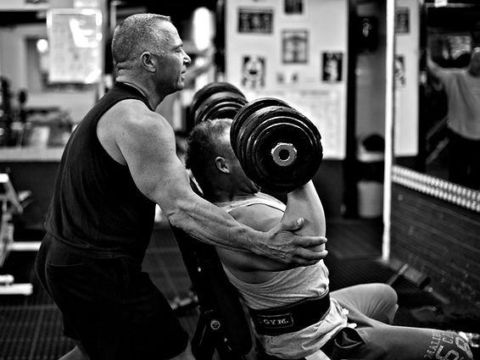
Aging changes how the body responds to training, recovery, and daily demands, but it does not mean the ability to become stronger disappears. The approach simply needs to become more thoughtful. Instead of focusing only on short-term fitness goals, training can help preserve strength, movement, physical capacity, and independence for years to come.
Interest in Longevity Strength Training Vancouver reflects this broader approach to fitness. Strength training is not only about building muscle or changing appearance. When planned appropriately, it can help support the physical abilities needed to stay active and capable as you age.
How Does the Body Change With Age?
Recovery may take longer with age, while maintaining muscle and strength can require more consistent attention. Sleep, nutrition, stress, activity levels, and previous training experience can also influence how the body responds to exercise.
These changes do not mean strength gains are no longer possible. They mean training should reflect the person doing it.
A sustainable approach considers:
- Current fitness: Training should match your present ability rather than your past performance.
- Training history: Someone with years of lifting experience may need a different approach from someone returning to exercise.
- Recovery capacity: Training demands should be balanced with adequate recovery.
- Lifestyle: Work, family, travel, and other responsibilities can affect consistency.
- Long-term goals: Exercise should support the activities and abilities you want to maintain.
The goal is not to fight the aging process. It is to build a stronger physical foundation for the life you want to continue living.
Strength Is About More Than Muscle
Strength is often associated with appearance, but its value extends far beyond body composition. Being stronger can make everyday physical tasks easier and help people remain involved in activities they enjoy.
Strength training can support:
- Muscle maintenance
- Physical capacity
- Balance and stability
- Movement quality
- Functional fitness
- Confidence in everyday activities
Carrying groceries, climbing stairs, travelling, hiking, playing with family, or participating in recreational activities all require a certain level of physical capacity. Maintaining that capacity becomes increasingly valuable over time.
Why Should Training Become More Strategic?
A workout routine that worked well years ago may not always be the most effective choice today. Training does not necessarily need to become easier, but it should become more deliberate. More workouts, greater intensity, or heavier weights do not automatically produce better results. Exercise selection, technique, progression, and recovery all influence how well a program works.
A thoughtful strength program may consider:
- Training volume and intensity
- Exercise selection and technique
- Mobility and movement quality
- Recovery between sessions
- Gradual progression
- Individual goals and abilities
This is where Expert Longevity Coaching In Vancouver can provide a useful perspective. The objective is not simply to add more exercise, but to determine what type and amount of training can support progress without creating unnecessary fatigue.
Recovery Is Part of Strength Training
Training provides the stimulus, but recovery allows the body to respond and adapt. Ignoring recovery can make it harder to maintain performance and consistency.
Recovery involves more than taking occasional rest days. It also includes:
- Quality sleep
- Adequate nutrition
- Managing daily stress
- Appropriate training frequency
- Adjusting workouts when recovery is limited
As people age, finding the right balance between training stress and recovery becomes increasingly important. A program that leaves you constantly exhausted is not necessarily a better program. The goal is to create enough challenge to encourage adaptation while allowing the body enough time to recover.
Consistency Matters More Than Extreme Effort
Short-term fitness challenges can be motivating, but lasting strength is built through consistent effort. An extreme routine that lasts only a few weeks has limited value if it cannot become part of everyday life.
Longevity Strength Training Vancouver is ultimately about creating a sustainable approach to strength and fitness. Training should be challenging enough to encourage progress while remaining realistic enough to maintain.
Consistency does not mean doing the same workout forever. It means maintaining the habits that matter while adjusting the details as your goals, schedule, fitness, and recovery needs change.
Build Strength for the Life You Want
The real value of strength training becomes clearer when it connects to everyday life. The goal may be to stay active while travelling, continue enjoying recreational activities, maintain independence, or simply feel more capable during daily tasks.
Aging does not require accepting unnecessary physical limitations. Strength, mobility, and fitness can continue to develop when training is approached with realistic expectations and appropriate progression.
A sustainable strategy brings together strength training, recovery, nutrition, and lifestyle habits rather than relying on one factor alone. For those seeking additional guidance, working with a qualified longevity-focused coach can help create a practical training strategy based on current ability, individual goals, and the demands of everyday life.