
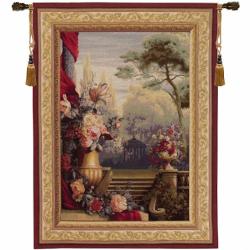
Interior design continues to evolve, although one trend stands out for its connection to the past. Homeowners increasingly choose decorative pieces that combine beauty, craftsmanship, and longevity instead of following short-lived fashions. This shift has renewed interest in textile wall art, bringing woven décor back into homes with a fresh perspective.
Once associated primarily with historic estates and traditional interiors, woven wall hangings now appear in contemporary apartments, minimalist homes, boutique hotels, and creative workspaces. Designers appreciate their ability to introduce warmth, texture, and personality without overwhelming a room.
This growing popularity reflects more than changing tastes. It represents a broader movement toward thoughtful decorating, quality craftsmanship, and meaningful design.
Modern Homes Need More Than Color
For many years, interior design focused heavily on color palettes and furniture styles. Today, designers pay equal attention to texture because it shapes how a room feels.
Smooth walls, polished flooring, and sleek furniture often create clean interiors, although they may also appear cold or unfinished. Textile wall art softens these surfaces while adding visual depth that paint or printed artwork rarely achieves.
Unlike flat decorative pieces, woven fabrics respond naturally to changing light. Shadows move across the surface throughout the day, revealing intricate patterns and subtle color variations that create lasting visual interest.
This balance between simplicity and richness explains why tapestry art continues to gain recognition among design professionals.

A Shift Toward Meaningful Decorating
Many homeowners no longer decorate simply to fill empty spaces. Every decorative element now serves a purpose, whether it reflects personal interests, supports sustainable living, or celebrates artistic craftsmanship.
Textile wall art fits naturally into this approach.
Each woven design represents careful planning, skilled weaving, and artistic tradition. Instead of feeling mass-produced, it introduces authenticity into everyday living spaces.
This emphasis on meaningful design encourages people to invest in décor that remains relevant through shifting trends rather than replacing accessories every few seasons.
Texture Creates Comfortable Living Spaces
Comfort extends beyond soft furnishings. Visual comfort also influences how people experience their homes.
Rooms filled with hard surfaces often benefit from materials that introduce warmth and softness. Natural fibers create this effect through their woven structure, making interiors feel more welcoming.
Woven wall hangings contribute texture without adding unnecessary clutter. Their layered construction provides depth while maintaining a refined appearance that complements both classic and contemporary spaces.
As open-plan homes become increasingly common, textured wall décor also helps large spaces feel more intimate and inviting.
Versatility Across Interior Styles
One reason woven textile art continues to attract attention is its remarkable versatility.
Traditional interiors benefit from historic landscapes, floral compositions, and architectural scenes that reinforce timeless elegance.
Contemporary homes often feature simplified botanical designs, abstract patterns, or neutral color palettes that blend seamlessly with clean architectural lines.
Rustic interiors pair naturally with woven textures because both celebrate craftsmanship and natural materials.
Even industrial spaces gain warmth through carefully selected textile artwork, balancing exposed brick, metal, and concrete with softer visual elements.
This adaptability allows tapestry art to remain relevant across a wide variety of decorating styles.
Supporting Sustainable Design Choices
Sustainability increasingly influences purchasing decisions across the home furnishing industry.
Rather than filling homes with disposable décor, many people prefer well-crafted pieces designed to last for decades.
Textile wall art aligns with this philosophy because quality weaving, durable fibers, and timeless subjects rarely lose their appeal. Instead of following seasonal trends, woven artwork continues to complement evolving interiors year after year.
Choosing long-lasting decorative pieces also reduces unnecessary consumption while encouraging more thoughtful design decisions.
The Influence of Hospitality Design
Hotels, boutique accommodations, restaurants, and cultural spaces often introduce decorating trends before they become common in residential interiors.
Many hospitality designers now incorporate woven textile artwork to create memorable guest experiences. Rich textures make public spaces feel more welcoming while reinforcing a sense of quality and craftsmanship.
Visitors frequently carry these ideas home, seeking similar warmth and sophistication in their own living spaces.
As a result, woven wall hangings continue to appear in homes inspired by boutique hospitality design.
A Perfect Balance Between Art and Function
Textile wall art offers more than visual appeal.
Historically, woven textiles helped insulate stone buildings and soften large interior spaces. Although modern homes no longer rely on tapestries for insulation, fabric still contributes practical benefits.
Textured surfaces help soften the appearance of expansive walls while reducing the starkness often created by large painted areas.
Their substantial presence also creates stronger visual balance in rooms with high ceilings or oversized furniture.
This combination of artistic expression and practical design continues to distinguish woven textiles from many other forms of wall décor.
Craftsmanship Never Goes Out of Style
Technology changes rapidly, yet handcrafted quality continues to attract admiration.
People increasingly appreciate decorative objects that demonstrate skill, patience, and attention to detail. Woven textile art reflects all three qualities through its intricate construction.
Every woven image develops through carefully arranged threads rather than surface printing. This process creates subtle depth that changes naturally with shifting light.
The visible craftsmanship encourages closer appreciation, allowing homeowners and guests alike to discover new details over time.
That enduring quality explains why tapestry collections continue to inspire collectors, designers, and homeowners across generations.
Creating Emotional Connections Through Art
A thoughtfully decorated home reflects more than good design. It reflects personal identity.
Landscape scenes may remind someone of favorite travels. Botanical artwork often creates a calming atmosphere. Historic architecture connects interiors with cultural heritage, while classical artwork celebrates artistic achievement.
Choosing meaningful textile art strengthens these emotional connections, making decorative pieces feel personal rather than purely ornamental.
Unlike trend-driven accessories, carefully selected woven artwork often remains part of family homes for many years because it carries both aesthetic and sentimental value.
Why Textile Wall Art Continues to Inspire
The renewed appreciation for woven décor reflects changing priorities within interior design. Homeowners increasingly value craftsmanship, authenticity, sustainability, and timeless beauty over temporary trends.
Woven wall hangings answer each of these priorities through their remarkable texture, artistic heritage, and lasting versatility. They enrich contemporary spaces without sacrificing the traditions that define textile craftsmanship.
As homes continue to evolve into places of comfort, creativity, and self-expression, woven artwork offers a meaningful way to celebrate artistry while creating interiors that remain elegant for years to come.
Whether displayed in a minimalist apartment, a family home, or a thoughtfully designed workspace, tapestry art continues to prove that exceptional craftsmanship never loses its place in modern living.