
Our eyes allow us to experience the world in remarkable detail, yet many people take their vision for granted until something goes wrong. One of the biggest challenges in ophthalmology is that several serious eye conditions develop silently, showing little to no symptoms in their early stages. By the time noticeable vision changes occur, permanent damage may have already taken place.
Fortunately, advances in modern eye care have made it possible to detect and treat many eye diseases before they significantly impact vision. As an ophthalmologist, I believe that awareness, timely diagnosis, and preventive care are the most effective ways to protect eyesight throughout life.
The Silent Nature of Eye Diseases
Unlike many other health conditions, several eye diseases progress gradually without causing pain or discomfort. Patients often assume that if they can read or drive without difficulty, their eyes are healthy. However, diseases such as glaucoma, diabetic retinopathy, age-related macular degeneration (AMD), and retinal disorders may continue to worsen despite the absence of obvious symptoms.
This is why routine comprehensive eye examinations are essential—not only for individuals experiencing vision problems but also for those who believe their eyesight is perfectly normal.
Why Regular Eye Examinations Matter
A comprehensive eye examination evaluates much more than your ability to read letters on a chart. Modern ophthalmic assessments include detailed evaluation of the retina, optic nerve, cornea, lens, eye pressure, and overall eye health.
Early detection allows doctors to:
- Identify diseases before symptoms appear.
- Monitor changes over time.
- Recommend preventive treatment.
- Reduce the risk of permanent vision loss.
- Improve surgical outcomes when intervention is needed.
For individuals with diabetes, hypertension, or a family history of eye disease, regular eye check-ups become even more important.
Diabetes and Your Eyes
Diabetes affects nearly every organ in the body, including the eyes. Elevated blood sugar levels can damage the tiny blood vessels of the retina, leading to diabetic retinopathy—a leading cause of preventable blindness among working-age adults.
In its early stages, diabetic retinopathy often causes no pain and no noticeable vision loss. Regular retinal screening allows ophthalmologists to detect subtle changes before complications develop.
Patients with diabetes should never wait for symptoms before scheduling a retinal examination.
Understanding Cataracts
Cataracts develop when the natural lens of the eye gradually becomes cloudy, causing blurred vision, glare while driving at night, faded colours, and difficulty reading.
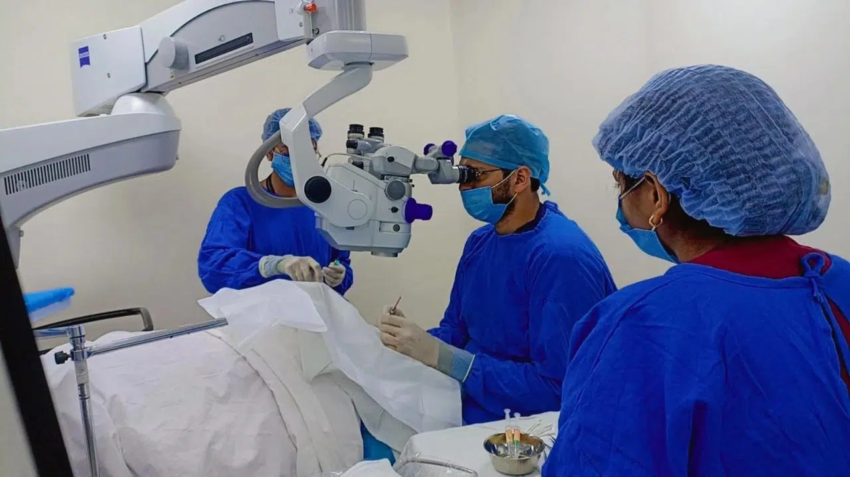
Many people believe cataracts should only be treated once vision becomes severely impaired. Modern cataract surgery, however, is safe, minimally invasive, and highly successful. Early consultation allows patients to plan surgery at the most appropriate time, helping maintain independence and quality of life.
Advances in surgical technology have significantly improved precision, safety, and visual outcomes, making cataract surgery one of the most successful procedures performed today.
Retinal Diseases Require Immediate Attention
The retina functions like the camera sensor of the eye, converting light into signals that allow us to see. Damage to this delicate tissue can rapidly affect vision.
Warning signs that require urgent medical attention include:
- Sudden flashes of light.
- A rapid increase in floaters.
- A dark curtain or shadow across vision.
- Sudden blurred or distorted vision.
- Loss of central vision.
These symptoms may indicate retinal tears, retinal detachment, or bleeding inside the eye. Early treatment greatly increases the chances of preserving sight.
Glaucoma: The Silent Thief of Sight
Glaucoma is often called the “silent thief of sight” because it gradually damages the optic nerve without causing noticeable symptoms in its early stages.
Once vision is lost due to glaucoma, it cannot be restored. However, early diagnosis and treatment can slow or even stop disease progression.
Individuals over the age of 40, those with diabetes, high eye pressure, or a family history of glaucoma should undergo regular screening.
The Role of Technology in Modern Eye Care
Technology has revolutionized ophthalmology.
Today’s eye specialists use sophisticated diagnostic tools such as:
- Optical Coherence Tomography (OCT)
- Digital retinal imaging
- Wide-field retinal photography
- Corneal topography
- Optical biometry
- Visual field analysis
These technologies allow diseases to be detected earlier and managed more effectively than ever before.
Similarly, modern microsurgical instruments, minimally invasive techniques, and premium intraocular lenses have transformed cataract and retinal surgery, improving both safety and recovery.
Healthy Habits That Protect Vision
Maintaining healthy eyesight involves simple lifestyle choices:
- Eat foods rich in vitamins A, C, and E.
- Include leafy vegetables and omega-3 fatty acids in your diet.
- Wear sunglasses that block harmful UV rays.
- Control blood sugar and blood pressure.
- Avoid smoking.
- Stay physically active.
- Follow the 20-20-20 rule during prolonged screen use.
- Get adequate sleep.
- Never ignore sudden vision changes.
These habits support long-term eye health and reduce the risk of several vision-threatening diseases.
When Should You Visit an Eye Specialist?
Many people postpone eye examinations until vision becomes noticeably blurred. Unfortunately, waiting for symptoms can delay treatment.
Schedule an eye examination if you experience:
- Persistent blurred vision
- Eye pain
- Double vision
- Difficulty seeing at night
- Frequent headaches related to vision
- Sudden flashes or floaters
- Redness that does not improve
- Vision changes associated with diabetes
Even if no symptoms are present, adults should undergo periodic comprehensive eye examinations as recommended by their ophthalmologist. Visit best Eye Specialist in Delhi NCR at AK Institute of Ophthalmology.
Looking Toward the Future
Artificial intelligence, advanced retinal imaging, robotic-assisted surgery, and precision diagnostics are shaping the future of ophthalmology. These innovations will continue improving the accuracy of diagnosis while making treatments safer and more personalized.
However, technology alone cannot replace patient awareness. The greatest opportunity to prevent blindness lies in educating people about the importance of regular eye examinations and seeking timely medical care.
Conclusion
Vision is a lifelong asset that deserves regular attention and care. Many causes of vision loss are preventable when diagnosed early and treated appropriately. Routine eye examinations, healthy lifestyle choices, and prompt medical evaluation for new symptoms can make a significant difference in preserving eyesight.
Protecting your vision is not only about seeing clearly today—it is about ensuring healthy eyesight for the years ahead. Early diagnosis, modern treatment, and informed decision-making remain the foundation of lifelong eye health.