

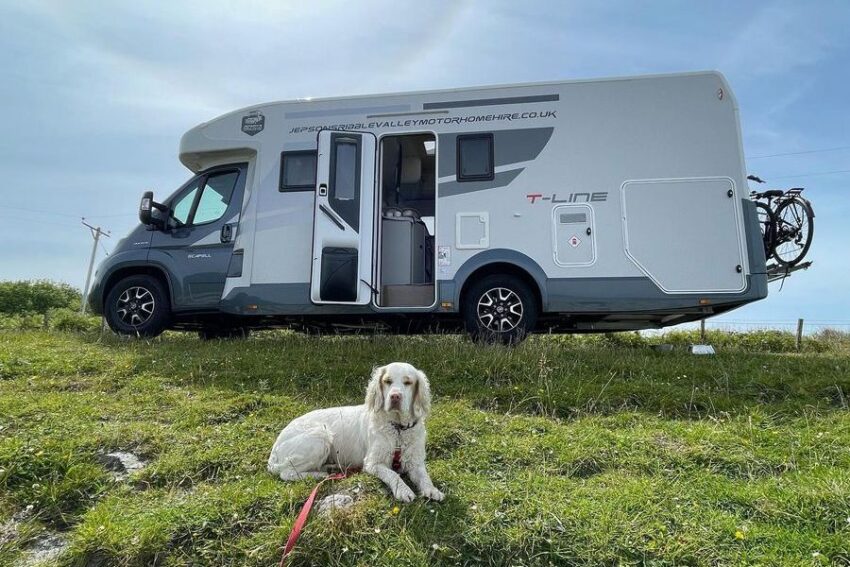
Planning a UK holiday that combines comfort, flexibility and beautiful scenery? Choosing the right motorhome can make travelling around Britain more enjoyable. Whether you are organising a family road trip, a countryside adventure or one of the many UK winter breaks for couples, a four-berth motorhome offers a practical way to explore at your own pace.
With sleeping space for up to four people, these vehicles can suit couples who want extra living space as well as small families looking for a flexible holiday option. Many layouts include a kitchen, dining area, washroom and useful storage, making longer journeys more convenient.
This guide explains what to look for in 4 berth motorhomes, how to compare different layouts, why an Auto-Trail motorhome may be worth considering, and how to plan a comfortable winter trip around the UK.
What Are 4 Berth Motorhomes?
Four-berth motorhomes are recreational vehicles designed to sleep up to four people. Depending on the model, they may feature fixed rear beds, convertible lounge beds, an over-cab sleeping area or an electric drop-down bed.
Their main advantage is versatility. A couple can enjoy a spacious interior without needing to use every bed, while a family can make use of the additional sleeping arrangements.
Before choosing a vehicle, remember that the number of berths refers to sleeping capacity. It does not automatically mean the motorhome has four travel seats with seatbelts. Always check the approved seating capacity and individual vehicle specifications before booking or purchasing.
Main Features to Consider
When comparing four-berth models, pay attention to the features that will make everyday travel easier.
-
Sleeping arrangements: Decide whether you prefer fixed beds or convertible seating.
-
Kitchen facilities: Check the hob, fridge, oven and available food preparation space.
-
Washroom: An onboard toilet and shower can be especially useful during cold or wet weather.
-
Heating and insulation: These features matter when travelling during autumn and winter.
-
Storage: Make sure there is room for coats, footwear, luggage and outdoor equipment.
-
Driving comfort: Consider vehicle dimensions, visibility, parking and your experience behind the wheel.
The best choice depends on how often you travel, who joins you and whether you prefer short weekends away or longer touring holidays.
Why Choose a Four-Berth Motorhome for UK Holidays?
The UK offers a wide variety of holiday destinations, from coastal villages and historic towns to national parks and peaceful countryside. A motorhome gives travellers the flexibility to create an itinerary around their interests.
A four-berth layout can be particularly useful for couples who want a comfortable lounge, a separate sleeping area or space for occasional guests. Families can also benefit from having their sleeping arrangements and holiday essentials in one vehicle.
Instead of packing and unpacking at every destination, travellers can keep many belongings organised inside the motorhome. Having cooking facilities may also make it easier to prepare breakfast, enjoy a warm lunch or have dinner after a day outdoors.
However, successful motorhome travel still requires planning. Check campsite facilities, parking restrictions, vehicle dimensions and local road conditions before setting off.
Choosing an Auto-Trail Motorhome
An Auto-Trail motorhome is one option to consider when comparing UK touring vehicles. The manufacturer offers several ranges with different layouts, features and accommodation arrangements.
For example, the Auto-Trail F-Line F72 is a four-berth motorhome designed for family-friendly touring. The Expedition Coachbuilt range also includes four-berth layouts, depending on the model and specification.
When comparing models, look beyond the manufacturer’s name. Consider whether the layout suits your travel habits and whether the available facilities match the season in which you intend to travel.
For winter holidays, useful features may include effective heating, thermal insulation, double-glazed windows and a comfortable washroom. Check the exact specification of the individual vehicle rather than assuming every model includes identical equipment.
If you are hiring a motorhome, ask about winter operating instructions, heating arrangements, water-system care and any restrictions on travel or overnight parking.
Comparison of Four-Berth Motorhome Options
Different motorhome styles offer different benefits. Use this comparison to narrow down the type that may suit your next UK holiday.
| Feature | Compact four-berth campervan | Coachbuilt four-berth motorhome | Larger premium motorhome |
|---|---|---|---|
| Living space | Usually compact | Often more spacious | Generally generous |
| Driving and parking | Often easier in restricted spaces | Requires more care | Can be challenging in small areas |
| Sleeping arrangements | May include pop-top and convertible beds | May offer fixed or convertible beds | Can offer flexible sleeping layouts |
| Kitchen and washroom | Depends on model | Often includes dedicated facilities | Usually prioritises comfort and facilities |
| Best suited to | Flexible road trips | Families and longer holidays | Travellers seeking extra room |
| Winter considerations | Check insulation and heating | Check heating, insulation and water systems | Check full winter specification and running costs |
This is a general comparison, not a specification sheet for every vehicle. Equipment, dimensions, sleeping arrangements and prices vary by model.
Best UK Winter Breaks for Couples in a Motorhome
Winter can be an excellent time to explore quieter parts of Britain. Cooler temperatures, seasonal food and peaceful landscapes create a different atmosphere from the busy summer holiday season.
A well-equipped motorhome can make these journeys more comfortable, provided the route and overnight stops are planned carefully.
1. The Lake District, Cumbria
The Lake District is an appealing choice for couples who enjoy mountain scenery, lakeside walks and cosy village stops. Places around Windermere and Keswick can provide a starting point for exploring the area.
Winter conditions can change quickly, so check weather forecasts, road closures and walking conditions before leaving your campsite. Choose an overnight site that is open for your travel dates.
2. North Wales
North Wales combines coastal scenery, historic towns and access to Snowdonia National Park, also known as Eryri. Couples can enjoy scenic drives, short walks and relaxed visits to local towns.
During winter, plan routes around daylight hours and check whether mountain roads or exposed routes may be affected by ice, snow or strong winds.
3. The Scottish Highlands
For couples seeking dramatic scenery and a quieter escape, the Scottish Highlands offer lochs, mountains and attractive villages. A motorhome provides a flexible base for exploring, but winter touring needs additional preparation.
Check local road conditions, campsite opening dates and access restrictions. Avoid assuming that every summer touring route or overnight facility will be suitable in winter.
4. The Yorkshire Dales
The Yorkshire Dales offer stone-built villages, countryside views and traditional market towns. Couples can combine gentle walks with visits to local cafés and historic sites.
Select routes that suit the weather and daylight available. A motorhome with a comfortable lounge and reliable heating can be particularly welcome after a cold day outdoors.
Also Read:https://www.jepsonsholidays.co.uk/top-10-places-to-go-in-november-uk-for-autumn-adventures-2025/
Essential Tips for Winter Motorhome Travel
Planning is important when taking a motorhome holiday between late autumn and early spring. Cold weather can affect road safety, campsite availability and onboard water systems.
Prepare the vehicle: Check tyres, lights, screenwash, batteries and essential equipment before travelling. Make sure the vehicle is serviced and suitable for the expected conditions.
Understand the heating system: Learn how the heating works and which fuel or power supply it requires. Follow the manufacturer’s instructions and never use unsuitable outdoor heating equipment inside the vehicle.
Protect the water system: Freezing temperatures can damage pipes, tanks and pumps. Follow the vehicle manufacturer’s winterisation instructions, especially when temperatures are expected to fall below freezing.
Book suitable campsites: Confirm that the campsite is open, accepts your vehicle and offers the facilities you need. Check the availability of electric hook-up and water services.
Plan shorter driving days: Winter daylight is limited, and wet, icy or windy conditions may slow your journey. Allow extra time and avoid rushing between destinations.
Pack for changing weather: Waterproof clothing, warm layers, sturdy footwear, blankets and a torch can make a difference during outdoor activities.
Check overnight parking rules: Do not assume that a public car park or roadside lay-by permits overnight stays. Use authorised locations and respect local restrictions.
Is a Four-Berth Motorhome Suitable for Couples?
Yes. A four-berth motorhome can be a sensible choice for two people who value additional space, flexible sleeping arrangements and onboard facilities.
A fixed-bed layout may allow the lounge to remain available during the day, while a convertible layout may provide a larger seating area when the bed is not in use. Some couples may prefer a compact vehicle for easier driving, while others may prioritise a spacious kitchen and washroom.
Think about your typical trip before choosing. If you mainly take short weekends away, a compact layout may be sufficient. For longer winter holidays, extra storage, comfortable seating and effective heating may be more important.
How to Plan a Motorhome Holiday on a Budget
Motorhome holidays involve more than the initial hire or purchase cost. A realistic budget should include fuel, campsite fees, food, insurance where applicable, optional equipment and activities.
Compare the total cost of different vehicles rather than focusing only on the headline hire price. A larger motorhome may offer more living space, but its dimensions, fuel consumption and campsite requirements may affect your overall spending.
Travelling outside peak holiday periods can sometimes provide more flexibility, although availability and prices depend on the destination and dates. Booking suitable campsites in advance is particularly helpful for winter trips, when some sites operate reduced schedules.
For a practical holiday plan, select two or three destinations, estimate driving distances and allow enough time to enjoy each stop. This approach can reduce unnecessary mileage and make the trip more relaxing.
Frequently Asked Questions
1. What is a four-berth motorhome?
A four-berth motorhome is designed to provide sleeping accommodation for up to four people. The layout may include fixed beds, convertible lounge seating or other sleeping arrangements. Always check how many people can travel legally in the vehicle, as berth capacity and seatbelt capacity are different.
2. Are four-berth motorhomes suitable for winter holidays in the UK?
Yes, provided the vehicle is suitable for cold-weather use and the trip is planned carefully. Look for effective heating, appropriate insulation and suitable facilities. Check the weather, road conditions and campsite opening dates before travelling.
3. Is an Auto-Trail motorhome a good option for couples?
It may be. Auto-Trail offers a range of motorhomes with different layouts and features. Couples should compare sleeping arrangements, lounge space, kitchen facilities, heating and vehicle dimensions before deciding which model best suits their needs.
4. Where can couples go for winter motorhome breaks in the UK?
Popular possibilities include the Lake District, North Wales, the Scottish Highlands and the Yorkshire Dales. The best destination depends on road conditions, weather, campsite availability and the type of holiday you prefer.
5. What should I check before hiring a four-berth motorhome?
Check the sleeping layout, approved travel seats, driving licence requirements, insurance arrangements, mileage limits, included equipment, heating system, vehicle dimensions and breakdown support. Ask the hire provider to explain how the vehicle’s water and heating systems should be managed in cold weather.
6. Can a four-berth motorhome be used by just two people?
Yes. Couples can use the additional space for a larger lounge, extra storage or occasional guests. The most suitable layout depends on whether you prefer fixed beds or seating that converts into a sleeping area.
7. Do I need to book campsites for winter motorhome trips?
Booking ahead is advisable, especially when you need electric hook-up, showers or other facilities. Check seasonal opening dates and confirm that the site accepts your motorhome and provides the services you require.
Conclusion
Choosing the right four-berth motorhome can make UK touring more comfortable and flexible. From family holidays to peaceful countryside escapes, the right combination of sleeping space, storage, kitchen facilities and heating can help you enjoy the journey as much as the destination.
An Auto-Trail model may be worth comparing if its layout and specification match your requirements. Couples planning UK winter breaks should also pay close attention to campsite availability, road conditions and cold-weather preparation.
With careful planning and a vehicle suited to your needs, you can explore Britain’s scenic roads, charming towns and quieter winter landscapes at your own pace. Jepsons Holidays encourages travellers to plan thoughtfully, compare their options and choose a motorhome that fits the way they want to travel.