

Introduction
Precision thread manufacturing plays an important role in producing reliable mechanical components for industrial applications. From power transmission systems to machine tools and lifting equipment, threaded connections must provide consistent engagement, dependable movement, and suitable mechanical performance. Choosing the right cutting tool is therefore essential for achieving the required thread quality.
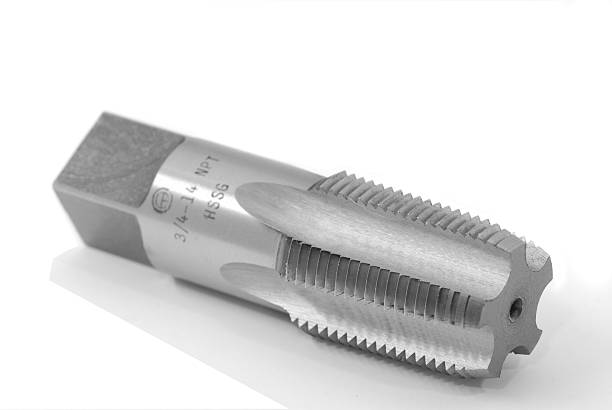
An Acme Tap is designed to create internal ACME threads, which feature a trapezoidal profile with a 29-degree thread angle and flat crests and roots. These threads are commonly used in lead screws, jacks, positioning mechanisms, and other applications involving linear motion and power transmission. Selecting appropriate tooling helps manufacturers produce threads that meet their dimensional and functional requirements.
Companies such as Gaugestools provide ACME and Stub ACME tapping options in different sizes, materials, and configurations to support various manufacturing needs. Understanding the advantages of these tools can help machinists and production managers make informed decisions.
1. Improved Thread Accuracy and Consistency
One of the main benefits of using suitable ACME tapping tools is the ability to produce consistent internal thread profiles. Accurate thread geometry is important because even small dimensional variations can affect engagement between mating components.
A properly selected tool helps maintain the specified thread pitch, profile, and dimensions when used with the correct machining settings and preparation. This consistency is especially valuable in production environments where multiple components must fit together reliably.
Manufacturers should also verify the finished threads using suitable inspection equipment and follow the applicable thread specifications. Consistent machining and inspection practices help reduce avoidable fitting problems.
2. Better Performance in Power Transmission Applications
ACME threads are widely used in mechanical systems that convert rotary movement into linear movement. Examples include lead screws, machine positioning systems, lifting mechanisms, and adjustable fixtures.
Their trapezoidal profile is suitable for transmitting force through threaded engagement when the complete assembly is properly designed. Producing accurate internal threads helps mating screws engage as intended and supports dependable mechanical movement.
An appropriately selected Acme Thread Tap can help manufacturers create the internal threads required for these assemblies. The final performance still depends on factors such as thread dimensions, material strength, lubrication, alignment, and operating loads.
3. Support for Efficient Production
Manufacturing efficiency depends on producing acceptable components with minimal unnecessary rework. Suitable tapping tools can help streamline the machining process by creating the required internal thread form in a controlled operation.
When the tool matches the workpiece material, thread specification, and production method, operators can establish repeatable machining procedures. This is particularly useful for manufacturers producing repeated batches of similar components.
Proper cutting speeds, feed rates, lubrication, and chip removal are also important. These factors help maintain stable cutting conditions and reduce interruptions caused by poor surface finish, excessive tool wear, or damaged threads.
4. Versatile Tool Configurations for Different Requirements
Different machining operations require different tool configurations. Taper, plug, and bottom taps can serve different purposes depending on the hole design, thread depth, and accessibility.
Taper taps have a longer gradual lead that can assist initial thread engagement. Plug taps offer a shorter lead for continuing thread formation, while bottoming taps are designed to produce threads closer to the bottom of suitable blind holes.
Manufacturers should select the configuration according to the machining sequence and required thread depth rather than assuming one type suits every application. Gaugestools lists these configurations for its ACME tapping range, helping buyers identify options for their production requirements.
5. Suitable Options for Different Materials
The workpiece material has a direct influence on cutting performance, tool wear, and finished thread quality. Aluminum alloys, steels, and other engineering materials can require different cutting conditions and tooling characteristics.
High-speed steel (HSS) and cobalt-alloy high-speed steel (HSS-E) are material options listed for ACME taps. The appropriate choice depends on the workpiece, production volume, machining conditions, and required tool life.
Using a suitable Acme Thread Tap for the material being machined can help maintain cutting performance and reduce the risk of premature wear. Manufacturers should consult tooling recommendations and establish appropriate operating parameters before beginning production.
6. Potential for Longer Tool Service Life
Tool durability affects production costs, machining consistency, and maintenance schedules. A tool that wears too quickly may require frequent replacement and can produce inconsistent threads as its cutting edges deteriorate.
Heat treatment, suitable tool materials, correct operating conditions, and appropriate maintenance can contribute to service life. Depending on the application, specialized surface coatings may also improve wear resistance and cutting performance.
However, coating selection should be based on the workpiece material and machining requirements. Excessive cutting speed, insufficient lubrication where needed, or poor chip evacuation can shorten tool life regardless of the tool’s construction.
Regularly inspecting cutting edges and replacing worn tools at the appropriate time helps maintain thread quality and avoid unnecessary production interruptions.
7. Greater Flexibility for Custom Thread Requirements
Industrial manufacturers do not always work with standard thread sizes or identical component designs. Some projects require particular diameters, pitches, thread directions, or classes of fit to suit the intended assembly.
A suitable Acme Thread Tap can be selected according to the required thread specification. Depending on the supplier’s capabilities, manufacturers may also request left-hand threading, specific fit classes, or customized tooling configurations.
Before specifying a tool, buyers should confirm the nominal diameter, threads per inch, thread series, direction of rotation, hole depth, and workpiece material. It is equally important to identify whether the application requires a standard ACME thread or a Stub ACME thread.
Clear specifications help suppliers recommend an appropriate solution and reduce the possibility of receiving tooling that does not match the intended application.
8. Better Support for Quality Control
Thread quality influences component assembly, movement, and long-term reliability. A properly manufactured internal thread should meet the specified dimensional requirements and provide the intended fit with its mating component.
Using the correct tapping tool is one part of achieving that result. Manufacturers should also inspect finished threads using suitable gauges or other measurement methods, according to the applicable standards and acceptance criteria.
Gaugestools supplies thread-related tooling and inspection products for industrial applications. Its product range can help manufacturers identify relevant options for thread production and dimensional verification.
Combining appropriate tooling, trained operators, preventive maintenance, and documented inspection procedures supports a more consistent quality management process. These practices can also help identify machining problems before they affect larger production batches.
How to Choose the Right ACME Tapping Tool
Before purchasing tooling, manufacturers should review the application carefully. First, confirm the required thread diameter, pitch, and applicable standard. Next, identify the workpiece material and whether the hole is through or blind. These details influence tool selection, cutting conditions, and the required thread depth.
The choice between taper, plug, and bottoming configurations should reflect the machining sequence. Buyers should also confirm the required thread direction, fit class, and any coating or material preferences.
Finally, consider supplier support, product availability, and the ability to provide tooling that matches the specification. Gaugestools offers ACME and Stub ACME tapping options, making its product range a useful starting point for manufacturers evaluating suitable tooling.
Conclusion
Choosing appropriate tapping tools is an important step toward reliable precision thread manufacturing. The right selection can support dimensional consistency, efficient production, dependable mechanical engagement, and effective quality control. Material compatibility, tool configuration, maintenance, and inspection all contribute to the final result.
By evaluating these factors before purchasing, manufacturers can select tooling that meets their application requirements and supports consistent production outcomes.
Frequently Asked Questions (FAQ)
1. What is an ACME tap used for?
An ACME tap creates internal ACME threads used in applications such as lead screws, lifting mechanisms, machine tools, and linear positioning systems.
2. What is the difference between ACME and Stub ACME threads?
Standard ACME and Stub ACME threads have different thread proportions. Stub ACME threads have a shallower profile and are used in applications where a reduced thread depth is required by the design.
3. Which materials are used to manufacture ACME taps?
HSS and HSS-E are common tooling material options. The most suitable material depends on the workpiece, machining conditions, and required tool performance.
4. How can manufacturers improve ACME thread quality?
Manufacturers can improve thread quality by selecting the correct tool, preparing the hole properly, using suitable cutting conditions, maintaining the tool, and inspecting finished threads against the required specifications.
5. Where can manufacturers find ACME tapping tools?
Manufacturers can review the ACME and Stub ACME tapping range offered by Gaugestools to compare available sizes, configurations, and material options.