

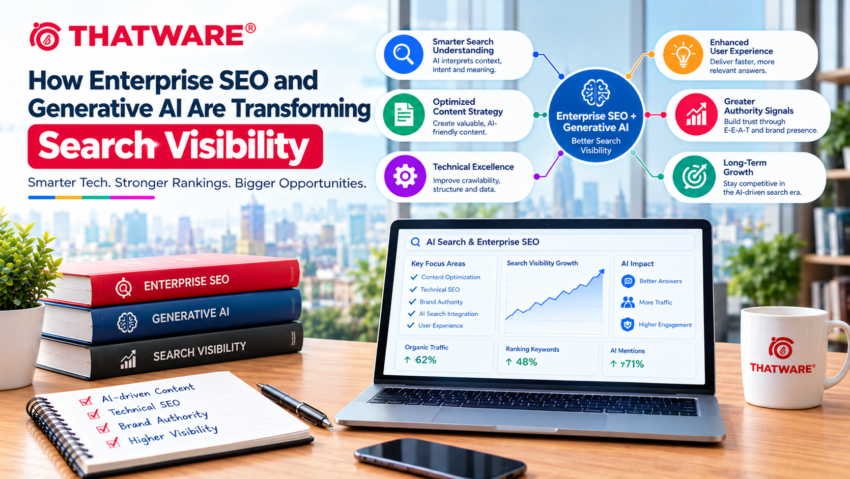
Search engine optimization continues to evolve as businesses adapt to AI-powered search experiences, changing customer expectations, and increasingly competitive digital markets. Companies need more than traditional keyword rankings to build a sustainable online presence. They must also create helpful content, maintain technically sound websites, and make their expertise easy for search systems and potential customers to understand.
Investing in SEO Services India can help businesses improve organic visibility, attract relevant audiences, and develop a structured approach to digital growth. By combining technical SEO, content strategy, and AI-search readiness, businesses can prepare for changing discovery patterns while maintaining strong search fundamentals.
Understanding the Evolution of Search Engine Optimization
Traditional SEO focuses on helping search engines discover, understand, and rank website content. It includes keyword research, on-page optimization, technical improvements, content development, internal linking, and authority building.
These fundamentals remain important, but the way people search for information is expanding. Users increasingly ask detailed questions through conversational interfaces and AI-powered platforms. Rather than visiting several websites to compare information, they may receive a summarised response that brings together details from different sources.
This shift encourages businesses to create content that is accurate, informative, and organised around genuine user needs. Clear explanations, relevant examples, descriptive headings, and reliable supporting information can improve the experience for readers and make a website easier to interpret.
Successful SEO therefore requires a balanced strategy that supports conventional search visibility while preparing for emerging search experiences.
Why Enterprise Businesses Need a Structured SEO Strategy
Large businesses often manage thousands of URLs, multiple service categories, complex website architectures, and content across different markets. Without a clear process, technical problems and inconsistent information can make important pages harder to discover.
A structured enterprise SEO programme begins with a comprehensive website assessment. This review identifies technical barriers, content gaps, internal linking opportunities, and pages that are not performing as expected.
Important activities include improving crawlability and indexability, reviewing canonical tags, maintaining accurate XML sitemaps, resolving unnecessary redirects, and strengthening the relationships between related pages.
Content governance is equally important. Large organisations need consistent terminology, accurate service descriptions, and a reliable process for updating information. Collaboration between SEO specialists, developers, marketing teams, and subject-matter experts helps ensure that improvements support business objectives.
Regular reporting should connect SEO activities with measurable outcomes, including organic clicks, qualified traffic, leads, and conversions.
The Role of Enterprise LLM SEO
As AI-powered search and language models become more prominent, large organisations need to consider how their information is represented and interpreted across digital channels.
Enterprise LLM SEO services focus on improving the clarity, structure, accessibility, and contextual relevance of information across large websites so that it can be more effectively understood and retrieved by large language models and AI-driven search experiences.
This work can include organising content into meaningful topic clusters, strengthening internal links, improving entity consistency, and creating authoritative resources that answer specific customer questions.
For example, an enterprise technology company may offer several related solutions. If each service page uses inconsistent terminology or provides incomplete explanations, customers may struggle to understand how the solutions differ. A structured content strategy can clarify each offering, explain its benefits, and connect it with relevant supporting resources.
Technical foundations remain essential. Important pages should be accessible to relevant crawlers, return appropriate HTTP status codes, and provide useful content. Structured data may help communicate information about organisations, services, products, and articles when implemented accurately.
However, no optimisation approach can guarantee that a specific brand or page will appear in an AI-generated answer. Visibility depends on the platform, query, available information, and retrieval processes.
Generative AI Search Optimization for Modern Businesses
Generative AI Search Optimization involves preparing a website and its digital presence for discovery through AI-powered search experiences. It builds on traditional SEO by emphasising clear answers, trustworthy information, topical relevance, and consistent brand details.
Businesses can begin by identifying the questions their audiences ask during research and purchasing decisions. These questions can guide service pages, educational articles, comparison guides, and frequently asked questions.
Content should answer the main question directly before introducing supporting details. Relevant examples, original research, expert insights, and accurate references can make information more useful and credible.
Businesses should also review how their brand is represented across their website and relevant third-party sources. Consistent business details and clear descriptions of products or services can reduce confusion.
AI-oriented optimisation should not become a reason to publish repetitive content or overuse keywords. The primary goal remains providing information that helps people make informed decisions.
Connecting Technical SEO With AI Search Readiness
Technical SEO provides the foundation for discoverability. Even valuable content may struggle to perform if search engines cannot access it properly or if the website contains confusing URL structures.
Businesses should regularly review:
-
Crawlability: Ensure important pages can be accessed by the appropriate search crawlers.
-
Indexability: Check canonical tags, robots directives, and indexing signals.
-
Website architecture: Organise pages into logical categories with relevant internal links.
-
Page quality: Resolve duplicate, outdated, thin, or unhelpful content where necessary.
-
Structured data: Use suitable markup that accurately represents the page.
-
Website performance: Monitor server errors, loading issues, and mobile usability.
These improvements support conventional SEO and create a stronger technical foundation for emerging AI search experiences.
Measuring Performance and Identifying Opportunities
SEO measurement should focus on business outcomes rather than rankings alone. Google Search Console can help monitor organic clicks, impressions, queries, and indexing patterns. Analytics platforms can provide additional information about user engagement, leads, and conversions.
For AI-search visibility, businesses can track relevant brand mentions and citations across selected platforms using consistent questions and testing methods. Referral traffic may also provide useful information where available.
Because AI-generated answers can change between queries and platforms, measurements should be treated as directional indicators rather than guaranteed performance metrics.
Regular audits help identify declining pages, technical errors, content gaps, and new opportunities. Prioritising improvements according to business value allows teams to use resources more effectively.
Conclusion
The future of search requires businesses to combine strong SEO fundamentals with a thoughtful approach to AI-driven discovery. Technically accessible websites, helpful content, consistent brand information, and ongoing performance measurement can support sustainable digital growth.
With expertise in search optimisation and emerging AI-search strategies, ThatWare LLP helps businesses strengthen their online presence, improve website foundations, and prepare their content for an evolving search landscape.
#seoservicesindia
#enterprisellmseoservices
#generativeaisearchoptimization
#bestseoagency