
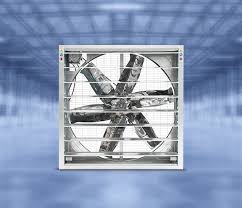
Industrial exhaust fans play a critical role in maintaining air quality, controlling temperature, and removing fumes, dust, and moisture from industrial environments. Whether used in factories, warehouses, commercial kitchens, or processing plants, these systems work continuously under demanding conditions. To ensure long-term performance, safety, and energy efficiency, a structured maintenance routine is essential. Leading Industrial Exhaust Fans Manufacturers consistently emphasize that proactive maintenance not only prevents costly breakdowns but also extends equipment lifespan and improves workplace safety.
In this article, we present a comprehensive maintenance checklist for industrial exhaust fans, based on best practices recommended by experienced manufacturers and industry experts.
Why Regular Maintenance of Industrial Exhaust Fans Is Essential
Industrial exhaust fans operate in harsh environments exposed to grease, chemicals, dust, heat, and humidity. Without regular upkeep, these contaminants can degrade components, reduce airflow, and increase power consumption. Poorly maintained exhaust fans may also violate safety and compliance standards, leading to operational risks and penalties.
Routine maintenance ensures:
-
Consistent airflow and ventilation efficiency
-
Reduced energy consumption
-
Lower repair and replacement costs
-
Improved worker health and safety
-
Compliance with industrial safety regulations
1. Visual Inspection: The First Line of Defense
A simple visual inspection should be performed weekly or bi-weekly, depending on usage intensity.
Checklist:
-
Check for visible dust, grease, or debris buildup on blades and housings
-
Inspect fan guards, shutters, and louvers for damage or misalignment
-
Look for corrosion, rust, or cracks in the fan casing
-
Ensure mounting bolts and fasteners are tight
Catching minor issues early helps avoid major mechanical failures later.
2. Cleaning Fan Blades and Housing
Accumulated dirt on fan blades reduces airflow efficiency and causes imbalance, leading to vibration and motor stress.
Best Practices:
-
Clean blades using non-corrosive cleaners
-
Remove grease and sticky residues thoroughly
-
Avoid high-pressure water on motors and electrical parts
-
Clean housings and inlet/outlet areas
Manufacturers recommend scheduling deep cleaning at least once every 3–6 months, or more frequently in dusty or greasy environments.
3. Motor and Electrical Component Maintenance
The motor is the heart of an industrial exhaust fan. Neglecting it can result in sudden breakdowns and production downtime.
Maintenance Tips:
-
Check motor temperature during operation
-
Inspect wiring for wear, loose connections, or insulation damage
-
Ensure proper grounding
-
Clean motor vents to prevent overheating
-
Test starters, contactors, and control panels
Regular electrical inspections improve reliability and reduce fire hazards.
4. Bearing and Lubrication Checks
Bearings allow smooth rotation of fan shafts. Improper lubrication is a common cause of fan failure.
Checklist:
-
Listen for abnormal noises like grinding or squealing
-
Lubricate bearings according to manufacturer specifications
-
Avoid over-lubrication, which can attract dirt
-
Replace worn or damaged bearings promptly
Proper lubrication reduces friction, improves efficiency, and extends equipment life.
5. Belt Drive and Pulley Inspection (If Applicable)
For belt-driven exhaust fans, belt condition directly affects airflow and motor load.
Key Actions:
-
Check belt tension and alignment
-
Look for cracks, fraying, or glazing
-
Replace worn belts immediately
-
Ensure pulleys are properly aligned and secured
A poorly maintained belt system can reduce fan performance by up to 30%.
6. Vibration and Noise Monitoring
Unusual noise or excessive vibration is often a warning sign of internal issues.
What to Monitor:
-
Fan imbalance
-
Loose components
-
Bent blades or shafts
-
Bearing failure
Using vibration analysis tools, as recommended by top manufacturers, helps identify issues before they escalate.
7. Airflow and Performance Testing
Even if a fan appears to be working, airflow may be compromised due to internal issues or duct obstructions.
Maintenance Steps:
-
Measure airflow volume periodically
-
Inspect ducts for blockages or leaks
-
Check dampers and louvers for smooth operation
-
Verify system pressure levels
Consistent airflow testing ensures the ventilation system meets operational requirements.
8. Corrosion Protection and Structural Integrity
Industrial exhaust fans often operate in corrosive environments such as chemical plants or coastal regions.
Preventive Measures:
-
Inspect protective coatings regularly
-
Touch up damaged paint or anti-corrosion layers
-
Replace corroded fasteners and brackets
-
Use stainless steel or coated components when recommended
Corrosion control significantly increases fan durability.
9. Safety Compliance and Guard Checks
Safety should always be a top priority during maintenance.
Safety Checklist:
-
Ensure all guards and covers are securely installed
-
Verify emergency shut-off systems
-
Follow lockout/tagout procedures during servicing
-
Display safety labels clearly
Compliance with safety standards protects workers and avoids legal complications.
10. Maintenance Documentation and Scheduling
Keeping records is a best practice followed by leading manufacturers.
Documentation Tips:
-
Maintain a maintenance log for inspections and repairs
-
Record dates, observations, and corrective actions
-
Schedule preventive maintenance based on usage and environment
-
Use digital maintenance management systems if available
Proper documentation helps identify recurring issues and plan future upgrades.
When to Call Professional Service Support
While routine checks can be handled internally, complex issues require expert intervention. Leading **Industrial Exhaust Fans Manufacturers ** advise seeking professional service if you notice persistent vibration, motor overheating, drastic airflow reduction, or repeated electrical failures. In the middle of a well-planned maintenance strategy, partnering with trusted manufacturers and service providers ensures your exhaust system remains efficient, compliant, and reliable over the long term.
Conclusion
A disciplined maintenance routine is the backbone of efficient industrial ventilation. By following this comprehensive checklist, industries can minimize downtime, reduce energy costs, and extend the life of their exhaust fans. From visual inspections and cleaning to motor care and safety compliance, every step plays a vital role. As highlighted by experienced Industrial Exhaust Fans Manufacturers , proactive maintenance is not just an operational task—it is a strategic investment in productivity, safety, and sustainability.