
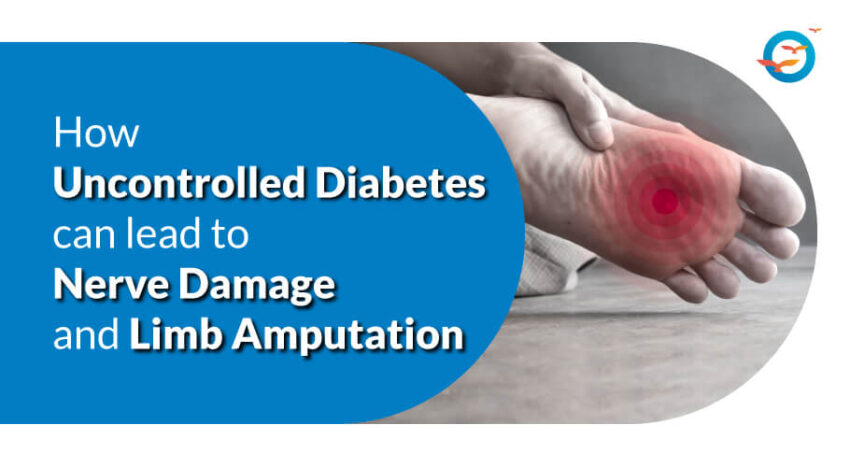
How Uncontrolled Diabetes Can Lead to Nerve Damage and Limb Amputation
Diabetes is often seen as just a “sugar problem,” but the reality is much more serious. When blood sugar levels remain high for a long time, it slowly starts damaging different parts of the body. Many people don’t notice these changes early because the symptoms develop gradually.
This is why understanding how uncontrolled diabetes can lead to nerve damage and limb amputation is so important. It’s not something that happens overnight—but without proper care, the risk becomes very real.
What Happens in Uncontrolled Diabetes?
Diabetes is a condition where blood sugar levels stay higher than normal. This can happen either because the body does not produce enough insulin or because it cannot use insulin effectively.
In simple terms, excess sugar keeps circulating in the blood. Over time, this starts affecting:
- Nerves
- Blood vessels
- Kidneys and heart
- Eyes and limbs
The damage is slow but continuous. Many people feel “normal” in the early stages, which is why complications often go unnoticed until they become serious.
Understanding Nerve Damage in Diabetes
One of the most common complications is nerve damage, also known as diabetic neuropathy. High blood sugar damages the tiny blood vessels that supply oxygen and nutrients to the nerves.
This is where how uncontrolled diabetes can lead to nerve damage and limb amputation begins.
At first, the symptoms may feel mild:
- A slight tingling in the feet
- Occasional numbness
- Burning or sharp pain
Many people ignore these signs, thinking it’s temporary. But over time, the sensation in the feet or hands may reduce significantly.
Why Nerve Damage Becomes Dangerous
Loss of sensation is not just uncomfortable—it can be risky.
Imagine stepping on something sharp and not feeling it. A small cut or blister may go unnoticed. Without proper care, that minor injury can turn into a serious wound.
For example, a person with diabetes may develop a small crack on the heel. Since there is no pain, they continue walking normally. Over days, the wound worsens, gets infected, and becomes difficult to heal.
Poor blood circulation makes the situation worse. The body struggles to repair the damage, and infections can spread quickly.
From Wounds to Amputation
When wounds do not heal properly, they can turn into ulcers. If infection spreads deeper, it may damage the surrounding tissue and even the bone.
In severe cases, this leads to gangrene—a condition where tissue starts dying due to lack of blood supply.
This is the final stage of how uncontrolled diabetes can lead to nerve damage and limb amputation.
Doctors may then recommend removing the affected part, such as a toe, foot, or even part of the leg, to stop the infection from spreading further. While this step can save a life, it is something that can often be prevented with early care.
Can This Be Prevented?
Yes, in most cases, it can be avoided. The key lies in managing diabetes properly and being consistent with daily habits.
Simple steps like eating a balanced diet, staying active, monitoring blood sugar, and following medical advice can make a huge difference.
But one area that many people ignore is foot care.
Daily Foot Care Matters More Than You Think
Taking care of your feet should become a daily routine if you have diabetes. It doesn’t require much time, but it can prevent major complications.
Check your feet regularly. Look for small cuts, redness, swelling, or any unusual changes. Even a minor issue should not be ignored.
Washing your feet with lukewarm water, drying them properly, and keeping the skin moisturized can help maintain healthy skin.
Footwear also plays an important role. Wearing comfortable, well-fitting shoes protects your feet from injury. Tight or hard shoes can cause friction and lead to blisters.
For example, many people wear the same footwear daily without checking if it’s causing pressure points. Over time, this can lead to hidden injuries.
When Should You See a Doctor?
Sometimes, small symptoms can indicate a bigger problem. If you notice anything unusual like a wound that is not healing, constant pain, or discoloration of the skin, it’s best to consult a doctor early.
Delaying treatment can increase the risk of complications.
Regular check-ups, especially foot examinations, can help detect issues before they become serious.
Life After Amputation
In cases where amputation becomes necessary, recovery usually takes a few weeks. However, the journey does not end there.
Even after surgery, managing diabetes strictly is essential. Otherwise, similar complications can occur in other parts of the body.
This again highlights the importance of understanding how uncontrolled diabetes can lead to nerve damage and limb amputation and taking preventive action early.
Final Thoughts
Diabetes is manageable, but ignoring it can lead to life-changing complications. What starts as slightly high blood sugar can slowly affect nerves, reduce sensation, and increase the risk of severe infections.
The good news is that with awareness and daily care, most of these complications can be prevented.
Start with small steps—monitor your sugar levels, take care of your feet, and don’t ignore early warning signs. These simple habits can protect you from serious outcomes in the future.
To learn more in detail, read here:
https://www.freedomfromdiabetes.org/blog/post/how-uncontrolled-diabetes-can-lead-to-nerve-damage-and-limb-amputation/3000