
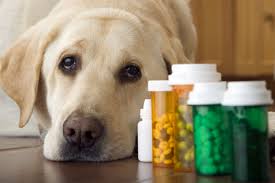
Skin infections are among the most common health issues affecting dogs. These infections can cause discomfort, itching, redness, hair loss, and irritation, making it important for pet owners to recognize symptoms early and choose the right treatment. In many cases, veterinarians prescribe dog skin infection medicine tablets to treat bacterial or fungal infections effectively. Understanding how these medicines work and how to choose the right one ensures faster recovery and improved overall health for your pet.
This guide explains the causes of skin infections, available treatment options, and how to safely select the right medicine tablets for your dog.
Common Causes of Dog Skin Infections
Skin infections in dogs can occur for several reasons. Identifying the underlying cause helps veterinarians determine the most effective treatment.
Bacterial Infections
Bacterial infections often develop when the skin barrier is damaged due to cuts, allergies, or excessive scratching. These infections may lead to redness, swelling, and pus-filled lesions.
Fungal Infections
Fungal organisms such as yeast can multiply in warm, moist areas of the dog’s body, especially around the ears, paws, and skin folds.
Allergies
Food allergies, environmental allergens, and flea bites can trigger itching and scratching, which can eventually lead to secondary infections.
Parasites
Mites, fleas, and ticks can damage the skin and introduce bacteria, causing infections that require medical treatment.
Recognizing the cause is essential because treatment varies depending on whether the infection is bacterial, fungal, or allergy-related.
Signs That Your Dog May Need Medicine Tablets
Not all skin problems require oral medication, but certain symptoms indicate the need for dog skin infection medicine tablets prescribed by a veterinarian:
-
Persistent itching or scratching
-
Red, inflamed, or swollen skin
-
Hair loss or bald patches
-
Pus-filled bumps or sores
-
Foul odor from the skin
-
Thickened or darkened skin
-
Scabs or crusty lesions
If these symptoms persist for several days or worsen, veterinary evaluation is necessary.
Types of Dog Skin Infection Medicine Tablets
Veterinarians prescribe different types of oral medications based on the infection’s cause and severity.
Antibiotic Tablets
These are used to treat bacterial skin infections. Antibiotics help eliminate harmful bacteria and prevent the infection from spreading.
Antifungal Tablets
For fungal infections such as yeast overgrowth, antifungal tablets are prescribed to control the growth of fungi and restore healthy skin.
Anti-inflammatory Medications
In some cases, anti-inflammatory tablets are given alongside antibiotics to reduce swelling, itching, and discomfort.
Allergy Management Medications
If allergies are the underlying cause, medications that control allergic reactions may be recommended along with infection treatment.
Choosing the correct medication requires proper diagnosis, which is why veterinary consultation is essential.
How to Choose the Right Dog Skin Infection Medicine Tablets
Selecting the right treatment involves several important factors:
Accurate Diagnosis
Before starting any medication, a veterinarian may perform skin tests, cultures, or allergy assessments to determine the infection type. Correct diagnosis ensures that the prescribed tablets target the specific problem.
Consider Your Dog’s Age and Health
Puppies, senior dogs, and pets with underlying medical conditions may require adjusted dosages or alternative medications.
Follow Veterinary Prescription Only
Never give human medications or leftover antibiotics to your dog. Improper medication can worsen the infection or cause serious side effects.
Check Treatment Duration
Some infections require treatment for several weeks, even if symptoms improve quickly. Completing the full course is necessary to prevent recurrence.
Safe Use of Medicine Tablets
To ensure the effectiveness of dog skin infection treatment, pet owners should follow safe medication practices:
-
Administer the exact dosage recommended by the veterinarian
-
Give medicine at the same time each day for consistent results
-
Avoid skipping doses or stopping treatment early
-
Monitor for side effects such as vomiting, diarrhea, or unusual behavior
-
Store medicines properly as instructed
If any severe reaction occurs, contact a veterinarian immediately.
Supporting Treatment with Proper Skin Care
Medication alone may not completely resolve skin infections unless combined with good hygiene and care practices. Pet owners should also:
-
Use medicated shampoos if recommended
-
Keep the affected area clean and dry
-
Prevent excessive licking or scratching using protective collars
-
Maintain regular grooming to detect early signs of infection
-
Provide balanced nutrition to support skin health
These additional steps help speed up recovery and reduce the risk of future infections.
Preventing Future Skin Infections
Preventive care plays an important role in keeping dogs healthy. Simple habits can significantly reduce infection risks:
-
Maintain regular flea and tick control
-
Provide a balanced diet rich in skin-supporting nutrients
-
Keep bedding and living areas clean
-
Schedule routine veterinary checkups
-
Address allergies promptly before they cause secondary infections
Early attention to minor skin issues can prevent them from developing into serious infections.
When to Visit the Veterinarian Immediately
Immediate veterinary care is necessary if:
-
The infection spreads rapidly
-
There is severe swelling or bleeding
-
The dog shows fever or lethargy
-
The wound emits a strong odor
-
Symptoms do not improve after starting treatment
Prompt medical attention prevents complications and ensures effective recovery.
Conclusion
Choosing the right dog skin infection medicine tablets is essential for treating infections safely and effectively. Proper diagnosis, veterinary guidance, and responsible medication use ensure that dogs recover quickly without complications. Combined with good hygiene, preventive care, and regular monitoring, the right treatment helps maintain healthy skin and overall well-being for your pet.
By staying informed and attentive, pet owners can identify skin problems early and provide the best possible care for their dogs.