
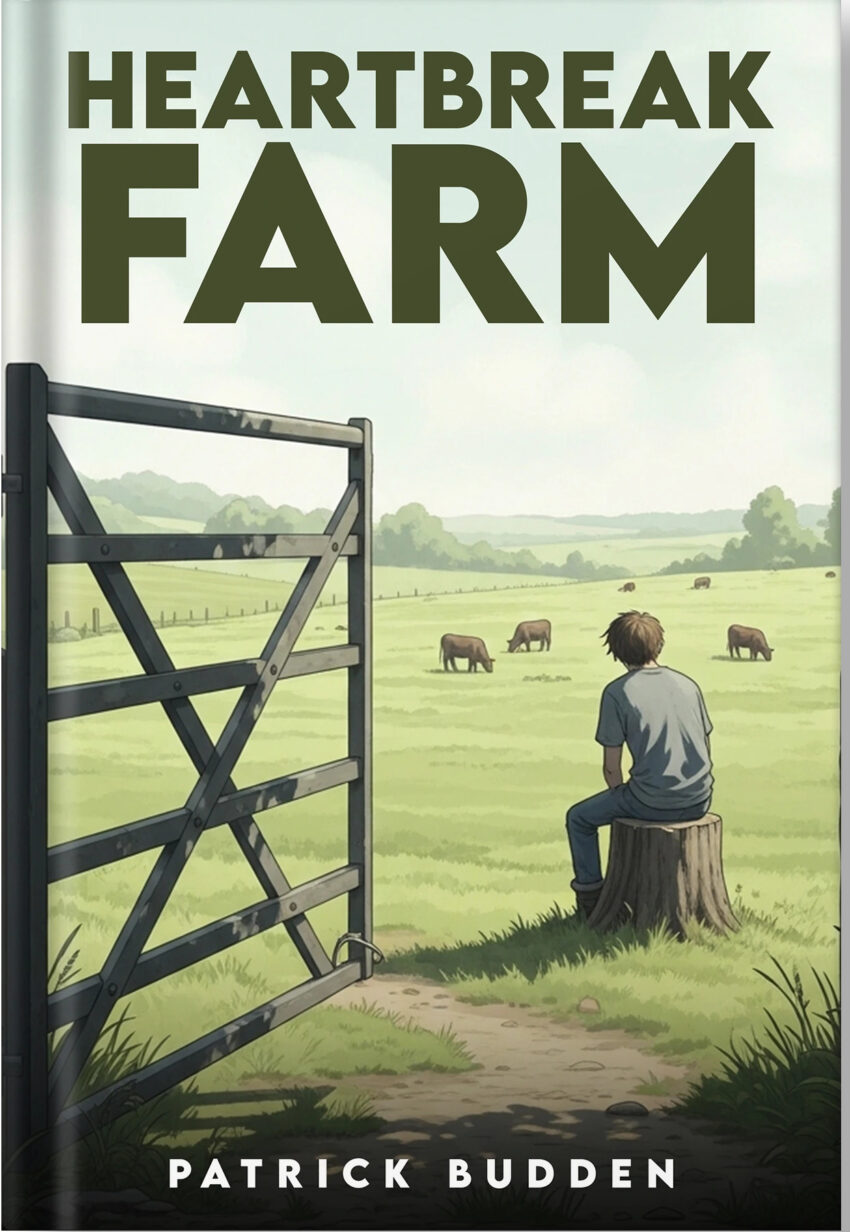
Patrick Budden found his way into writing later in life after retiring early because of ill health. Having spent many years working as an engineer for the same company since leaving school, he suddenly faced a very different future filled with more time at home and increasing disability.
Rather than giving up, he explored something completely new. Spending time on his laptop inspired him to try writing. His first short story, Murder at the Garage, may not have sold huge numbers, but the readers who discovered it enjoyed it and shared it with others through word of mouth.
His journey into storytelling reflects resilience, determination, and emotional strength. These qualities are also central to many novels about overcoming difficult childhood and survival and recovery childhood stories. Readers are often drawn to stories that show how people face hardship and still find the strength to move forward.
This article explores why stories of survival, recovery, and personal growth continue to connect deeply with readers and how Patrick Budden’s own journey reflects many of these themes.
Beginning Again Through Writing
Life can change suddenly, especially when health problems force someone to leave a long career behind. For Patrick Budden, retirement because of ill health created uncertainty and major personal adjustment.
Many people struggle emotionally after leaving work, particularly when physical disability becomes part of everyday life. Writing gave him a new focus and creative purpose during this difficult period.
What started as a simple attempt at storytelling gradually became a meaningful creative outlet. His experience shows that it is never too late to discover a new passion or direction in life.
The Early Experience of Storytelling
Patrick Budden’s first story, Murder at the Garage, represented his first step into fiction writing.
Although it did not receive major publicity or large sales, the people who read it responded positively. Readers recommended it to others because they enjoyed the story and connected with the writing.
This encouragement mattered because early support often gives writers confidence to continue developing their work. It eventually inspired him to move forward with a full length book published through a reputable publishing company.
Why Stories About Childhood Struggle Matter
Many readers are emotionally connected to novels about overcoming difficult childhood because these stories explore deeply human experiences.
Childhood is one of the most important stages of life. Difficult experiences during those years can shape personality, confidence, relationships, and emotional wellbeing for many years afterwards.
Stories about hardship during childhood often explore themes such as:
- Family conflict
- Poverty
- Loneliness
- Emotional neglect
- Bullying
- Fear and insecurity
Although these themes can be painful, they also create emotional depth and realism within fiction.
Survival and Recovery in Fiction
Readers are often inspired by survival and recovery childhood stories because they focus not only on hardship but also on resilience and healing.
These stories remind readers that difficult beginnings do not always define a person’s future. Recovery and growth are possible even after painful experiences.
Many survival stories focus on characters learning how to:
- Trust others again
- Build confidence
- Escape harmful situations
- Create better futures
- Understand their own identity
These emotional journeys make stories meaningful because they reflect real human struggles and hopes.
Emotional Honesty Creates Powerful Stories
The most memorable fiction often feels emotionally honest. Readers do not expect perfect characters or easy lives. Instead, they connect with stories that reflect genuine emotions and believable experiences.
Stories about difficult childhoods become powerful when they show:
- Vulnerability
- Fear
- Emotional confusion
- Strength during hardship
- Gradual healing and recovery
This honesty helps readers emotionally invest in the characters and their journeys.
Personal Experience and Emotional Depth
Writers who have experienced struggle themselves often bring emotional realism to their storytelling.
Patrick Budden’s own life includes major challenges:
- Ill health
- Increasing disability
- Early retirement
- Major life change
- Emotional adjustment
These experiences can deepen a writer’s understanding of resilience, uncertainty, and recovery. Real life emotions often help stories feel more authentic and relatable.
The Importance of Resilience
One of the strongest themes in both life and fiction is resilience. Characters who continue forward despite hardship often inspire readers because they reflect human strength.
Patrick Budden’s journey reflects this same resilience. After leaving a long career behind because of health problems, he found a completely new purpose through creativity and storytelling.
Stories about overcoming difficult childhoods often carry this same message. Painful experiences may shape people, but they do not have to destroy hope or future possibilities.
Why Readers Connect with Recovery Stories
Recovery stories create emotional connection because many readers understand what it feels like to struggle emotionally or personally.
Readers often see parts of themselves in characters who:
- Feel isolated
- Experience hardship
- Struggle with confidence
- Search for belonging
- Slowly rebuild their lives
These emotional experiences feel universal, which is why such stories remain popular across generations.
Childhood Experiences and Identity
Difficult childhood experiences often shape identity in powerful ways. Many coming of age and recovery stories explore how young people try to understand themselves while dealing with emotional pain or unstable environments.
Characters in these stories often search for:
- Acceptance
- Safety
- Friendship
- Confidence
- Personal freedom
This search for identity creates emotional depth and makes stories feel realistic.
Writing as a Form of Healing
For many writers, storytelling becomes more than entertainment. It can also become a way to process emotions and experiences.
Writing allows people to explore difficult subjects safely through imagination and narrative. It creates space for reflection, understanding, and emotional expression.
Patrick Budden’s decision to begin writing after retirement shows how creativity can provide comfort, focus, and personal meaning during difficult times.
The Power of Human Stories
Stories centred on emotional survival remain powerful because they reflect real life. People naturally connect with stories about hardship, courage, and recovery because these experiences are part of the human condition.
Readers remember stories that feel genuine. Emotional honesty often matters more than dramatic action or complex plots.
This is why stories about childhood struggle and recovery continue to leave lasting impressions on readers.
Finding Hope Through Fiction
Although stories about difficult childhoods can contain sadness and pain, they also often contain hope.
Recovery stories remind readers that:
- Healing takes time
- Strength can grow through struggle
- People can change their futures
- Support and understanding matter
These messages help readers feel encouraged rather than hopeless.
The Importance of Sharing Stories
Patrick Budden’s journey into writing reflects the importance of sharing personal creativity with others.
Even though his first book had limited publicity, readers still connected with it because storytelling has emotional power. Stories do not need huge marketing campaigns to matter deeply to the people who read them.
Every writer brings unique experiences and perspectives into their work, and these experiences help stories feel authentic.
Conclusion
Patrick Budden discovered storytelling later in life after facing major personal challenges including ill health and disability. What began as an experiment with writing gradually became a meaningful creative journey.
Themes such as novels about overcoming difficult childhood and survival and recovery childhood stories remain powerful because they explore emotional truth, resilience, and personal growth. Readers connect with stories that show hardship honestly while also offering hope and recovery.
Patrick Budden’s own story reflects many of these same ideas. His journey proves that difficult circumstances can lead to creativity, transformation, and new purpose.
In the end, meaningful storytelling reminds readers that even after struggle, growth and healing are always possible.