
Choosing the right orthodontic treatment is an important decision for anyone who wants to improve the alignment, appearance, and function of their teeth. Orthodontic care is not limited to traditional braces anymore. Today, patients have access to several treatment options designed for different dental concerns, lifestyles, ages, and personal preferences. If you are considering orthodontic treatment in Mernda, understanding the available choices can help you approach your consultation with greater confidence and a clearer idea of what may suit your needs.
Understanding Orthodontic Treatment
Orthodontic treatment focuses on correcting problems involving the position and alignment of the teeth and jaws. Teeth that overlap, crowd together, sit too far apart, or do not meet correctly can affect both appearance and everyday oral function. An orthodontic treatment plan is designed to gradually guide teeth into more suitable positions while also considering the relationship between the upper and lower jaws.
The right treatment depends on more than simply looking at whether teeth appear crooked. An orthodontic professional considers your bite, tooth position, jaw development, oral health, age, lifestyle, and treatment goals before recommending an approach. This personalized assessment is one of the most important parts of successful orthodontic care.
Why Consider Orthodontic Treatment in Mernda?
For residents of Mernda and surrounding communities, having access to orthodontic care close to home can make the treatment process more convenient. Orthodontic treatment may involve regular appointments over an extended period, so choosing a dental practice that is easy to reach can make it easier to maintain your appointments and follow your treatment plan.
A local orthodontic provider can also help you understand the different treatment possibilities and explain what may be appropriate for your particular dental concerns. Instead of selecting an option based only on appearance or popularity, patients can receive professional guidance based on their individual needs.
Start With a Comprehensive Assessment
Before choosing any orthodontic appliance, the first step should be a detailed dental and orthodontic assessment. During an appointment, your dental professional may examine the alignment of your teeth, your bite, jaw position, and overall oral health. Depending on your situation, dental imaging or other diagnostic information may also be used to develop a clearer understanding of your needs.
This assessment helps determine whether orthodontic treatment is appropriate and which approach could provide the desired results. Two people may have similarly crowded teeth but require different treatment strategies because of differences in their bite, jaw structure, tooth position, or dental history.
Traditional Braces as a Reliable Option
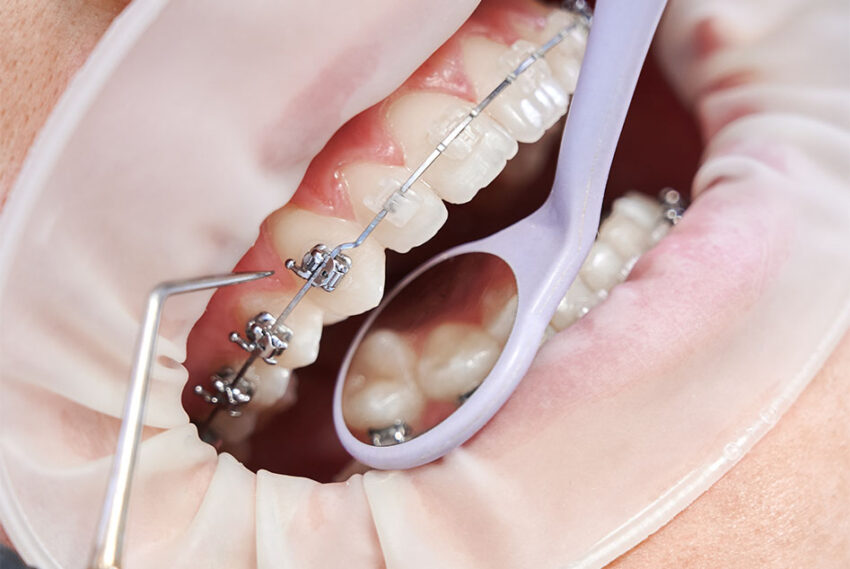
Traditional braces remain a widely used orthodontic treatment. They use brackets attached to the teeth and an archwire that applies controlled pressure to gradually move the teeth. Braces can be used to address a broad range of alignment and bite concerns.
One of the main advantages of traditional braces is their versatility. They can be suitable for patients who require significant tooth movement or more comprehensive correction. Modern braces can also be more comfortable and discreet than older designs, depending on the system selected.
For patients who do not mind wearing a visible orthodontic appliance and want a treatment option with extensive clinical use, traditional braces may be considered during an orthodontic consultation.
Exploring Clear Aligners
Clear aligners have become an increasingly popular alternative for people who want a more discreet approach to orthodontic treatment. These removable trays are designed to gradually guide teeth toward planned positions. Patients typically move through a series of aligners throughout the course of treatment.
One major attraction of clear aligners is their appearance. Because the trays are transparent, they can be less noticeable than conventional braces. Their removable design can also make eating and maintaining regular oral hygiene more convenient.
However, clear aligners require patient responsibility. They generally need to be worn consistently according to the treatment plan. Forgetting to wear them regularly or frequently leaving them out can interfere with progress. Your dental professional can determine whether clear aligners are appropriate for your particular alignment and bite concerns.
Considering Ceramic Braces
Ceramic braces provide another option for patients who want the structure of fixed braces with a less noticeable appearance. They use tooth-coloured or relatively discreet brackets that can blend more naturally with the teeth.
Ceramic braces may be appealing to teenagers and adults who are concerned about the visibility of conventional metal braces. Like other fixed orthodontic systems, they remain attached to the teeth during treatment and require regular professional adjustments.
Whether ceramic braces are suitable depends on the type and extent of tooth movement required. A consultation can help determine whether this option fits your treatment objectives.
Orthodontic Treatment for Teenagers
Teenagers often experience orthodontic concerns as their permanent teeth develop and settle into position. Crowding, spacing, bite irregularities, and other alignment issues may become more noticeable during these years.
Treatment during adolescence can be beneficial because the dental and jaw structures are still developing. However, the appropriate timing differs from one individual to another. Some teenagers may be ready for comprehensive treatment, while others may benefit from monitoring before starting.
When choosing orthodontic treatment for a teenager, it is important to consider not only the clinical requirements but also their ability to maintain oral hygiene, attend appointments, and follow instructions.
Orthodontic Care for Adults
Orthodontic treatment is not only for children and teenagers. Many adults seek treatment because they want to improve the appearance of their smile or address long-standing alignment and bite concerns.
Adults may have additional considerations, such as work commitments, social situations, previous dental treatment, or existing restorations. Discreet options such as clear aligners or ceramic braces may therefore be attractive to some adult patients.
An orthodontic assessment can identify the available choices and explain how treatment can fit into your everyday routine.
Look Beyond Appearance
A common reason for seeking orthodontic treatment is the desire for straighter teeth, but appearance is only one consideration. Tooth alignment can also influence how easily certain areas can be cleaned and how the upper and lower teeth function together.
Crowded or overlapping teeth can sometimes make brushing and flossing more difficult. Bite problems may also affect the way teeth come together during normal activities. Correcting alignment can therefore involve both aesthetic and functional objectives.
The goal should be to choose a treatment plan that addresses your complete orthodontic needs rather than focusing exclusively on how your teeth look.
Think About Your Daily Routine
Your lifestyle should also be considered when comparing orthodontic options. If you participate in activities where a removable appliance may be inconvenient, a fixed treatment approach might be worth discussing. On the other hand, someone who values flexibility and prefers an almost invisible appliance may be interested in clear aligners.
Food habits, oral hygiene routines, work requirements, school schedules, and social activities can all influence how comfortable you feel with a particular treatment.
Being honest with your dental professional about your daily routine can help them recommend an option that you are more likely to manage successfully.
Consider Treatment Commitment
Every orthodontic treatment requires commitment. Appointments, oral hygiene, appliance care, and following professional instructions all contribute to the overall treatment experience.
Clear aligners require consistent wear and careful handling. Fixed braces require attention to cleaning around brackets and wires. Regardless of the treatment selected, patients need to understand their responsibilities before beginning.
During your consultation, ask what will be expected from you throughout treatment. Knowing these responsibilities in advance can help you choose an option that works realistically with your routine.
Ask About Your Treatment Goals
Before starting orthodontic care, think about what you hope to accomplish. You may want to correct crowding, close gaps, improve your bite, straighten specific teeth, or achieve a more balanced smile.
Clearly communicating these goals during your consultation allows your dental professional to explain which treatment options may address them. It can also help ensure that expectations are realistic.
Orthodontic treatment is a process rather than an instant cosmetic change. Teeth need time to move gradually, and the overall treatment period varies according to the complexity of each case.
The Importance of Oral Hygiene During Treatment
Maintaining good oral hygiene is particularly important while undergoing orthodontic treatment. Brackets, wires, or aligners can require patients to adjust their normal cleaning routine.
With fixed braces, food particles can collect around brackets and wires, making careful brushing especially important. Clear aligners are removable, but patients still need to clean their teeth properly before replacing the trays.
Regular dental care should continue during orthodontic treatment. Keeping your teeth and gums healthy supports the overall treatment process and helps maintain your oral health after orthodontic appliances are removed.
What Happens After Treatment?
Choosing the right orthodontic treatment also means thinking beyond the active treatment stage. Teeth can naturally shift after orthodontic treatment, which is why retention is an important part of maintaining the results.
Retainers are commonly used after active orthodontic treatment to help keep teeth in their new positions. Your dental professional will explain the type of retainer recommended and how it should be used.
Following retention instructions can help protect the alignment achieved during treatment and reduce the likelihood of unwanted tooth movement.
Choosing an Experienced Dental Provider
The orthodontic appliance itself is only one part of the treatment experience. The professional planning and monitoring behind it are equally important. When looking for orthodontic treatment in Mernda, consider the provider’s experience, treatment options, approach to patient communication, and ability to create a personalized plan.
A good consultation should give you an opportunity to discuss your concerns, understand the proposed treatment, ask questions, and learn what you can expect during each stage.
You should feel comfortable discussing your expectations and any concerns you may have before making a decision.
Questions to Ask During Your Consultation
A consultation is the right time to ask practical questions about your proposed treatment. You can ask which orthodontic concern needs to be addressed, what treatment options are available, how long treatment may take, and what responsibilities you will have at home.
It is also useful to ask about follow-up appointments, retainers, oral hygiene requirements, and what happens if an appliance becomes damaged or uncomfortable.
Understanding these details can make the treatment process feel more predictable and help you make an informed decision based on professional advice.
Making a Confident Treatment Decision
There is no single orthodontic option that is suitable for everyone. The best treatment plan depends on individual dental needs, treatment goals, lifestyle, age, and professional assessment.
Some patients may benefit from traditional braces, while others may be suitable candidates for clear aligners or ceramic braces. The most appropriate option should be determined after a comprehensive assessment rather than selected solely because it is popular or visually appealing.
For anyone considering orthodontic treatment in Mernda, taking the time to understand the available choices is an important first step. A professional consultation can provide personalized information about your alignment, bite, treatment possibilities, expected commitment, and retention needs.
With the right information and professional guidance, orthodontic treatment can become a structured journey toward a healthier, more balanced, and confident smile. The key is to choose an approach that addresses your individual needs while fitting comfortably into your everyday life.