
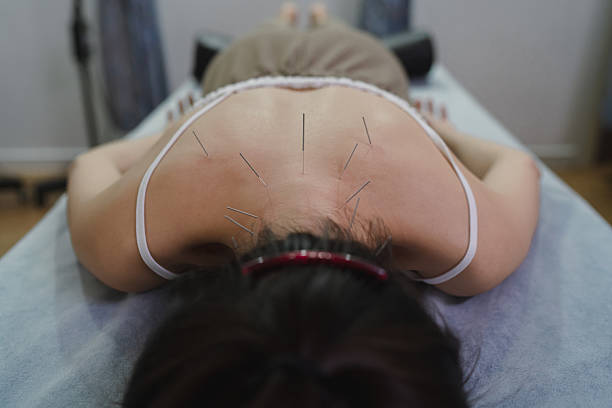
There’s always that one moment during a physiotherapy session when someone mentions dry needling, and the patient’s face changes slightly. Understandable, really. The word “needling” alone tends to conjure up images that aren’t exactly relaxing. But once people actually go through it, the reaction is usually somewhere between “that wasn’t what I expected” and “why didn’t I try this sooner.” It’s one of those treatments that sounds a lot more intimidating than it actually feels in practice.
If you’re considering dry needling in Singapore for a stubborn knot, a nagging tight spot that won’t release no matter how much you stretch it, or ongoing muscle tension that’s been quietly limiting your movement, it’s worth understanding what it actually does before booking that first session.

What Dry Needling Actually Is
Dry needling involves inserting a very fine, sterile needle directly into a tight band of muscle, often what’s called a trigger point, that spot of muscle that feels like a hard little knot when you press on it. The needle itself doesn’t inject anything, which is where the “dry” part of the name comes from, distinguishing it from injections that deliver medication.
What tends to surprise people is how the needle works. Inserting it into a tight, overactive muscle fibre often produces a small, involuntary twitch response. That twitch isn’t random or unpleasant, it’s actually a useful sign that the muscle is releasing some of its tension. Following that response, blood flow to the area typically increases, which helps flush out the local buildup of chemical irritants that tend to accumulate in chronically tight muscle and contribute to that persistent achy, restricted feeling.
It’s easy to confuse dry needling with acupuncture since both involve fine needles, but the reasoning behind them is different. Dry needling is grounded in Western anatomical and neuromuscular understanding, specifically targeting trigger points and muscular dysfunction, rather than working from the energy meridian framework that traditional acupuncture is built on.
What It’s Actually Used For
Dry needling tends to show up most often for stubborn musculoskeletal issues that haven’t fully responded to stretching, massage, or general exercise alone. Chronic neck and shoulder tension from long hours at a desk is a common one. So are conditions like tennis elbow, plantar fasciitis, and tension-type headaches that stem from tight muscles around the neck and scalp rather than anything more serious.
It’s also frequently used alongside broader rehabilitation for sports injuries, tendon issues, and areas of muscle tightness that are limiting range of motion or contributing to compensatory movement patterns elsewhere in the body. It’s rarely used entirely on its own. Most physiotherapists treat it as one tool within a larger plan that includes manual therapy and targeted exercise, since needling can loosen a tight muscle, but rebuilding strength and correcting the movement pattern that caused the tightness in the first place is what actually prevents it from coming right back.
What an Actual Session Feels Like
The needles used are extremely thin, far finer than the needles used for injections or blood draws, so there’s usually minimal sensation when it’s first inserted, sometimes barely noticeable at all. The moment that does register something is when the needle reaches an actual trigger point and produces that local twitch response. People describe it differently, a brief cramping sensation, a quick ache, sometimes a slight jump. It’s usually over in a second or two and tends to fade quickly, often followed by a noticeable release in the muscle almost immediately after.
Afterward, some mild soreness in the treated area for a day or so isn’t unusual, similar to the feeling after a fairly intense workout. This typically settles on its own, and plenty of people notice improved range of motion or reduced tension within a day or two of treatment.
When Dry Needling Isn’t the Right Fit
Not every kind of pain or dysfunction responds to dry needling, and it’s not appropriate for everyone. It’s generally avoided during pregnancy in certain areas, for people with needle phobias, those on blood thinners, or with certain skin conditions or infections near the treatment site. This is exactly why a proper assessment matters before jumping into treatment, since a good physiotherapist should be identifying whether a trigger point or muscular tension is actually the primary issue, rather than something else entirely that needs a different approach.
Where Vestibular Physiotherapy Fits Into a Broader Picture
Not every kind of dysfunction physiotherapists deal with is purely muscular, and it’s worth mentioning this because clinics offering a wider range of specialised treatment tend to catch things a narrower practice might miss. Vestibular physiotherapy, for example, deals with an entirely different system altogether, the inner ear and balance mechanisms that control dizziness, spatial orientation, and stability. Someone dealing with persistent dizziness, unsteadiness, or balance issues following a concussion, an inner ear condition, or simply as part of ageing isn’t going to find relief through dry needling, since the root cause has nothing to do with muscle tension at all.

This is really the value of choosing a clinic with a broad range of expertise rather than one that only offers a single approach to every complaint. A team capable of recognising when tension is genuinely muscular and needs something like dry needling, versus when symptoms actually point toward a vestibular or neurological issue requiring an entirely different assessment, is far more likely to get you an accurate diagnosis rather than a generic treatment plan applied to the wrong problem.
Is It Worth Trying
For the right kind of muscular tension and trigger point pain, dry needling in Singapore tends to offer noticeably faster relief than stretching or massage alone, particularly for issues that have been lingering for months without much improvement. It’s not a cure-all, and it works best as part of a broader treatment plan rather than a standalone fix. But paired with an accurate initial assessment, one that can tell the difference between straightforward muscular tightness and something that actually needs vestibular physiotherapy or another specialised approach, it tends to be a genuinely useful tool for finally shifting pain that’s been sitting there, stubbornly, for far too long.