
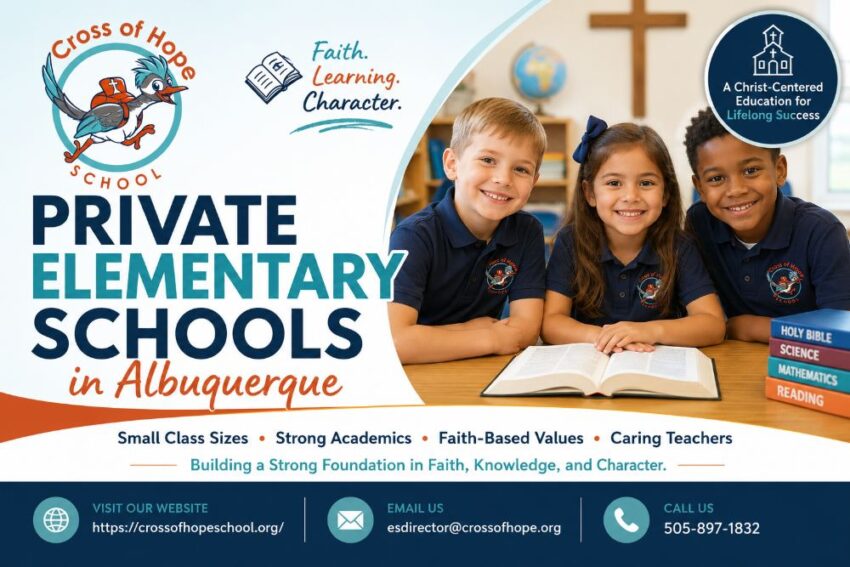
Leadership is an important skill that helps children succeed both in school and in life. While many people associate leadership with adults, the foundations of strong leadership often begin during the elementary years. Students learn how to communicate effectively, make responsible decisions, work with others, and develop confidence in their abilities.
Many families exploring Private Elementary Schools in Albuquerque look for educational environments that encourage academic growth while also helping children develop essential character traits. Leadership development is one of the key benefits that can emerge from a well-rounded elementary education.
Why Leadership Skills Matter in Elementary School
Leadership is more than holding a title or being in charge of a group. It involves qualities such as responsibility, integrity, teamwork, empathy, and problem-solving. Children who develop these skills early often feel more confident participating in class discussions, collaborating with peers, and taking initiative when faced with challenges.
Elementary school provides an ideal setting for leadership development because students are beginning to form habits, values, and social skills that can influence their future success.
Small Class Sizes Encourage Student Participation
One way many Private Elementary Schools in Albuquerque promote leadership is through smaller class sizes. When classrooms have fewer students, children often receive more opportunities to participate in discussions, ask questions, and share ideas.
Students who regularly engage in classroom activities gain confidence in expressing their thoughts. They learn how to listen respectfully, communicate clearly, and contribute to group projects. These experiences help build leadership skills that can benefit them throughout their educational journey.
At Cross of Hope School, small class sizes allow teachers to provide individualized attention while encouraging every student to actively participate in learning.
Developing Responsibility Through Daily Expectations
Leadership often begins with responsibility. Elementary students learn valuable lessons when they are encouraged to complete assignments, manage classroom tasks, and follow through on commitments.
Teachers can help students develop responsibility by assigning classroom roles, encouraging independent learning, and setting clear expectations. These everyday opportunities teach children accountability and help them understand the importance of contributing positively to their learning environment.
As students become more responsible, they gain confidence in their ability to make decisions and take ownership of their actions.
Building Confidence Through Academic Success
Strong academic programs can play an important role in leadership development. When students experience success in reading, writing, math, science, and other subjects, they often develop greater self-confidence.
Many Private Elementary Schools in Albuquerque emphasize rigorous academics that challenge students to think critically and solve problems independently. Through research-based instruction and hands-on learning experiences, students learn to approach challenges with perseverance and determination.
Cross of Hope School incorporates critical thinking, creativity, and project-based learning activities that encourage students to explore new ideas while building confidence in their abilities.
Teaching Collaboration and Teamwork
Effective leaders understand how to work with others. Elementary students regularly develop teamwork skills through group projects, classroom discussions, and cooperative learning activities.
When students collaborate with peers, they learn how to communicate respectfully, consider different perspectives, and contribute to shared goals. These experiences help children understand the value of cooperation while preparing them for future leadership opportunities.
Team-based learning also teaches conflict resolution and problem-solving skills, which are essential qualities of successful leaders.
Character Development Supports Leadership Growth
Leadership and character are closely connected. Students who demonstrate honesty, kindness, respect, and integrity are often better prepared to lead by example.
Many private schools place a strong emphasis on character education alongside academics. At Cross of Hope School, Christian values are integrated into daily learning through prayer, devotionals, and faith-centered instruction. These practices encourage students to develop strong moral character while learning how to treat others with compassion and respect.
Character development helps children understand that leadership is not simply about achievement—it is also about serving others and making positive choices.
Enrichment Activities Create Leadership Opportunities
Leadership skills often grow outside traditional academic lessons. Music, art, library programs, physical education, and technology-based learning can provide students with opportunities to explore interests, develop talents, and build confidence.
Participating in enrichment activities encourages children to take initiative, solve problems creatively, and work toward personal goals. These experiences help students discover their strengths and develop skills that contribute to leadership growth.
Technology programs can also support leadership development by teaching students digital responsibility, communication skills, and project management techniques that are increasingly important in today’s world.
Preparing Students for Future Success
Leadership development is a gradual process that begins with everyday experiences in the classroom and beyond. Through strong academics, character education, collaborative learning, and enrichment opportunities, students can build the confidence and skills needed to become thoughtful leaders.
Families considering Private Elementary Schools in Albuquerque often seek environments where children can grow academically, socially, and personally. By fostering responsibility, confidence, teamwork, and integrity, elementary schools can help students develop leadership qualities that support success both now and in the future.