
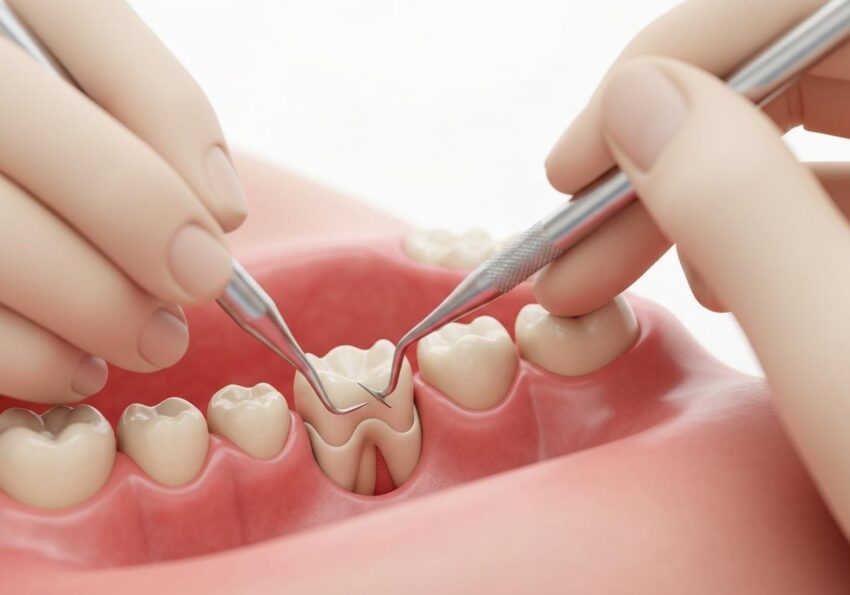
If you’ve ever experienced a dull ache or sharp pain at the back of your mouth, you might have wondered whether your wisdom teeth are making an unwelcome appearance. Wisdom teeth, or third molars, are the last set of teeth to emerge—usually between the ages of 17 and 25. While some people have enough room in their jaws for these teeth to grow without issues, many experience discomfort, misalignment, or dental complications that require removal. In such cases, wisdom tooth removal can be a transformative step toward oral health and overall comfort.
Why Wisdom Teeth Can Cause Problems
Wisdom teeth often pose challenges because there is limited space at the back of the jaw. When teeth lack room to grow properly, they can become impacted, partially emerge, or grow at an angle. Common problems caused by wisdom teeth include:
-
Pain and Swelling: Pressure from impacted wisdom teeth can cause tenderness in the gums and jaw.
-
Infections: Partially erupted teeth can trap food and bacteria, leading to gum infections and bad breath.
-
Cavities and Tooth Decay: Hard-to-reach wisdom teeth are prone to decay due to difficulty in cleaning.
-
Crowding of Other Teeth: Emerging wisdom teeth can push neighboring teeth out of alignment, potentially undoing years of orthodontic work.
Even if wisdom teeth aren’t currently causing pain, dentists often recommend removal as a preventive measure to avoid future complications.
The Benefits of Wisdom Tooth Removal
Removing wisdom teeth can bring both immediate and long-term relief. Some key benefits include:
-
Pain Relief: Removing impacted or problematic teeth can eliminate the persistent discomfort many patients experience.
-
Preventing Infection: Extraction reduces the risk of recurring gum infections around partially erupted teeth.
-
Improved Oral Hygiene: Without wisdom teeth crowding the back of your mouth, brushing and flossing become more effective.
-
Preserving Alignment: Removing wisdom teeth before they can push others out of place helps maintain your dental alignment and smile.
-
Reduced Risk of Cysts or Tumors: Impacted wisdom teeth can sometimes lead to cysts, which may damage the jawbone. Early removal prevents this risk.
Preparing for Wisdom Tooth Extraction
The idea of oral surgery can sound intimidating, but preparation is straightforward and helps ensure a smooth procedure and recovery. Here’s what to expect:
-
Consultation and Examination: Your dentist or oral surgeon will evaluate your teeth using X-rays to determine the position of your wisdom teeth and the complexity of the extraction.
-
Medical History Review: Make sure your dentist knows about medications, allergies, and medical conditions. This helps prevent complications.
-
Choosing Anesthesia: Depending on the complexity of the extraction and your comfort level, your procedure may involve local anesthesia, sedation, or general anesthesia.
-
Planning Recovery: Arrange for someone to drive you home if sedation or general anesthesia is used. Stock up on soft foods and pain relief supplies in advance.
Proper preparation sets the stage for a safe and comfortable extraction process.
What to Expect During the Procedure
Wisdom tooth removal is a common dental surgery, but the process may vary depending on the tooth’s position and the method chosen. Here’s a general overview:
-
Anesthesia Administration: Local anesthesia numbs the area, sedation may relax you, and general anesthesia puts you to sleep.
-
Extraction: The dentist or oral surgeon carefully removes the tooth. In some cases, the tooth may need to be sectioned into smaller pieces for easier removal.
-
Cleaning and Closure: The extraction site is cleaned, and stitches may be placed to aid healing. These may be dissolvable or require removal later.
-
Recovery Instructions: Post-operative care instructions will be provided, including diet recommendations, oral hygiene tips, and signs of potential complications.
The procedure typically takes 20–60 minutes, depending on the number and position of teeth being removed.
For individuals considering wisdom tooth removal in Mulund East, expert evaluation and treatment can help ensure a smooth procedure and comfortable recovery. With the experienced care available at Dr. Roshan’s Advanced Dental Clinic And Implant Center, you can take the next step toward a healthier smile and lasting relief from wisdom tooth-related problems.
Recovery and Aftercare
Recovery from wisdom tooth extraction varies, but most patients experience the most discomfort in the first 48 hours. Key tips for a smooth recovery include:
-
Rest and Elevation: Take it easy for a few days and keep your head elevated to minimize swelling.
-
Ice Packs: Apply ice packs to the cheeks in 15-minute intervals during the first day to reduce swelling.
-
Pain Management: Over-the-counter pain relievers or prescribed medications can help manage discomfort.
-
Soft Diet: Stick to soft foods like yogurt, mashed potatoes, and smoothies to avoid irritating the surgical site.
-
Oral Hygiene: Gently rinse with warm salt water to keep the area clean, but avoid vigorous brushing or spitting.
-
Follow-Up: Attend any follow-up appointments to ensure proper healing and to remove stitches if needed.
Most patients notice significant improvement in pain and swelling within a week, with full healing occurring in a few weeks.
Potential Risks and Complications
While wisdom tooth removal is generally safe, it’s important to be aware of potential risks:
-
Dry Socket: This occurs when the blood clot at the extraction site dislodges, causing intense pain.
-
Infection: Rarely, bacteria can enter the surgical site, requiring antibiotics.
-
Nerve Injury: Temporary numbness in the tongue, lips, or chin may occur, especially with lower wisdom teeth.
-
Swelling and Bruising: These are common and typically subside within a few days.
Following your dentist’s aftercare instructions minimizes these risks and promotes faster healing.
When to Seek Immediate Help
Contact your dentist or oral surgeon immediately if you experience:
-
Severe or worsening pain
-
Excessive bleeding that doesn’t stop after 30 minutes
-
Fever or signs of infection
-
Numbness that persists beyond a few days
Prompt attention ensures that any complications are addressed quickly.
Conclusion: A Smile That Feels Lighter
Wisdom tooth removal is more than just a dental procedure—it’s a pathway to lasting comfort, better oral health, and a brighter smile. Whether you’re dealing with pain, crowding, or the threat of future complications, extraction can provide the relief your smile truly needs. By understanding the process, preparing adequately, and following aftercare instructions, you can navigate the procedure with confidence and emerge with a healthier, happier mouth.
If wisdom teeth are troubling you or causing discomfort, consult your dentist today. Relief—and a healthier smile—could be just a procedure away.
Original Sources : – Wisdom Tooth Removal: The Relief Your Smile Needs