
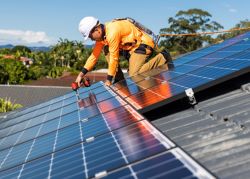
This is where microgrids are making a real difference. They bring electricity closer to where people live, instead of depending only on faraway power stations. In fact, many regions are now exploring a sustainable solar energy solution Colorado to improve daily life in high-altitude areas.
Imagine living in a mountain village where snowstorms can cut off electricity for hours or even days. This is still a real problem in many remote areas. Long power lines often fail in harsh weather, and repairs take time.
This is where microgrids are making a real difference. They bring electricity closer to where people live, instead of depending only on faraway power stations. In fact, many regions are now exploring a sustainable solar energy solution Colorado to improve daily life in high-altitude areas.
The idea is simple. Produce power locally. Store it. Use it when needed. This small change is transforming life in mountain regions.
What Exactly Is a Microgrid? (Simple Explanation)
A microgrid is like a small, local power system. Think of it as a mini electricity network that serves a village, town, or small community.
It usually includes:
- Solar panels to produce electricity from sunlight
- Batteries to store extra power
- Smart systems to control energy use
- A backup source for emergencies if needed
The best part is that it can work on its own. Even if the main grid goes down, the microgrid keeps running. This makes it very useful for mountain areas where weather can be unpredictable.
Why Mountain Areas Struggle with Electricity
Life in the mountains is peaceful, but power supply is not always stable. There are a few simple reasons for this:
- Difficult terrain makes it hard to build and maintain power lines
- Heavy snowfall and storms often damage electrical poles
- Long distances slow down repair work
- High costs of maintaining remote infrastructure
Because of these issues, many communities face frequent power cuts. This affects daily life, from lighting homes to running schools and small shops. Microgrids solve this problem by keeping energy production close to the people who need it.
How Microgrids Actually Work in Daily Life
The way a microgrid works is quite simple. During the day, solar panels capture sunlight and convert it into electricity. This power is used immediately by homes, schools, shops, and other community facilities. If more electricity is produced than needed, the extra energy is stored in batteries for later use.
At night or during storms, when sunlight is unavailable, the stored battery energy takes over. This allows homes, schools, and businesses to continue operating without interruptions or unexpected outages.
Even on cloudy days, the microgrid can rely on stored energy or backup support. As a result, electricity remains available despite changing weather conditions, helping communities enjoy a more reliable and stable power supply.
Why Solar Energy Is at the Heart of Microgrids
Solar energy fits mountain regions very well. Many high-altitude areas get strong sunlight throughout the year, even in cold weather.
Here’s why it works so well:
- Sunlight is free and always available during the day
- No fuel is needed, so it is clean and simple
- Systems are easy to expand when needed
- Maintenance is low compared to traditional systems
This is why planners often design systems based on local sunlight patterns. In many cases, a sustainable solar energy solution Colorado approach is used to match energy production with real mountain conditions. It ensures better performance throughout the year.
Real Benefits People Notice in Mountain Communities
Microgrids are not just technical systems. They directly improve everyday life.
- Fewer power cuts: People no longer sit in the dark during storms or winter nights.
- Better schooling: Students can study with proper lighting and use digital tools without interruption.
- Support for small businesses: Shops, cafes, and local services can run smoothly without worrying about outages.
- Safer living: Emergency services, heating systems, and communication devices stay active.
- Lower stress for families: People feel more secure knowing power will not suddenly go off.
These changes may sound small, but they make a big difference in daily life.
A Smarter and Cleaner Future for Mountain Communities
Microgrids are quietly changing life in mountain regions. They bring power closer to where it is needed, reduce reliance on long transmission lines, and provide a more dependable source of electricity for everyday life.
Most importantly, they make it easier for communities to use clean energy from the sun. As more remote areas adopt a sustainable solar energy solution Garfield, or similar, they can enjoy reliable power while reducing their environmental impact. This means fewer disruptions, greater energy security, and a stronger foundation for future growth.
As technology continues to improve, microgrids will become even more effective. They are more than just an energy system—they are helping mountain communities create a cleaner, safer, and more resilient future.