
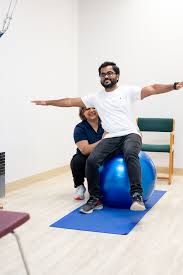
Vestibular disorders affect the inner ear and brain, causing symptoms like dizziness, vertigo, unsteadiness, and balance problems that can significantly impact daily life, making simple activities like walking, driving, or even getting out of bed challenging and sometimes frightening. For residents of Orleans, vestibular rehabilitation in Orleans provides essential support for individuals who want to regain their stability, confidence, and independence. The vestibular system is responsible for sensing head position and movement, and when it is not functioning properly, it can cause a range of debilitating symptoms that affect every aspect of life. These symptoms can make it difficult to perform everyday activities, leading to reduced quality of life, social isolation, and increased risk of falls. Vestibular rehabilitation in Orleans offers specialized assessment and treatment for individuals with vestibular disorders, helping them manage their symptoms and improve their balance. Whether you are experiencing persistent dizziness, frequent vertigo episodes, or a general feeling of unsteadiness, professional vestibular rehabilitation can make a significant difference in your quality of life, helping you regain control and return to the activities you enjoy.
What Is Vestibular Rehabilitation?
Vestibular rehabilitation in Orleans is a specialized form of physiotherapy that focuses on treating balance disorders and dizziness caused by vestibular dysfunction, using a combination of comprehensive assessment, targeted exercises, and education to retrain the brain to compensate for inner ear problems. The therapy is based on the principle of neuroplasticity, the brain’s ability to adapt and reorganize itself in response to new experiences. Vestibular rehabilitation in Orleans includes exercises to improve gaze stability, balance, and gait, as well as education on strategies to manage dizziness and prevent falls. The therapy is typically provided by physiotherapists with advanced training in vestibular and balance rehabilitation. The goal is to help individuals reduce their symptoms and improve their quality of life, enabling them to return to their normal activities with confidence. Vestibular rehabilitation is an evidence-based approach that has been shown to be effective for a wide range of vestibular disorders.
Common Vestibular Disorders Treated
Vestibular rehabilitation in Orleans treats a range of vestibular disorders including Benign Paroxysmal Positional Vertigo (BPPV), vestibular neuritis, labyrinthitis, Meniere’s disease, and age-related vestibular decline, each requiring specific treatment approaches tailored to the individual’s condition. BPPV is the most common cause of vertigo, caused by tiny calcium carbonate particles (otoconia) that become dislodged and move into the inner ear canals, disrupting the balance system. Vestibular neuritis is an inflammation of the vestibular nerve that can cause severe dizziness and balance problems, often after a viral infection. Labyrinthitis is an inflammation of the inner ear that can cause both dizziness and hearing loss. Meniere’s disease is a condition of the inner ear that causes episodes of vertigo, hearing loss, and tinnitus. Vestibular rehabilitation in Orleans also treats age-related vestibular decline, which is common among seniors. Each condition requires a specific approach to rehabilitation, and the therapist will develop a personalized treatment plan.
How Vestibular Rehabilitation Works
Vestibular rehabilitation in Orleans works by using the brain’s ability to adapt and compensate for inner ear dysfunction, with exercises designed to improve gaze stability, balance, and gait, and to reduce dizziness and vertigo symptoms. The therapy is based on the concept that the brain can learn to compensate for inner ear dysfunction by using other sensory systems, such as vision and proprioception (sensation from muscles and joints). Vestibular rehabilitation in Orleans includes exercises that challenge the balance system, such as standing on uneven surfaces or turning the head while walking, to help the brain adapt and improve stability. Gaze stabilization exercises help improve the ability to focus on objects while the head is moving, reducing dizziness and improving visual clarity. Balance exercises help improve stability and reduce the risk of falls. With consistent practice, the brain learns to compensate for vestibular dysfunction, significantly reducing symptoms.
The Assessment Process
Vestibular rehabilitation in Orleans begins with a comprehensive assessment that includes a detailed medical history, symptom evaluation, balance testing, and assessment of gaze stability and gait, to identify the specific factors contributing to the individual’s symptoms. The assessment helps the therapist understand the nature and severity of the vestibular disorder and develop an appropriate treatment plan. The therapist will ask about the individual’s symptoms, including when they started, what triggers them, and how they affect daily life. Balance testing may include simple tests like standing on one foot or walking in a straight line, as well as more sophisticated tests using specialized equipment to measure postural sway and gait patterns. Vestibular rehabilitation in Orleans also includes assessment of gaze stability, which involves testing the individual’s ability to focus on objects while the head is moving. The assessment process is thorough and individualized, ensuring that treatment is targeted and effective.
Techniques Used in Vestibular Rehabilitation
Vestibular rehabilitation in Orleans uses a range of techniques including canalith repositioning maneuvers for BPPV, habituation exercises to reduce dizziness, gaze stabilization exercises to improve visual focus, balance and gait training, and education on symptom management and fall prevention. Canalith repositioning maneuvers are specific head and body movements that move particles out of the inner ear canals, providing immediate relief from BPPV symptoms in many cases. Habituation exercises involve repeated exposure to movements that provoke symptoms, helping the brain adapt and reduce sensitivity over time. Gaze stabilization exercises improve the ability to focus on objects while the head is moving, reducing dizziness and improving visual clarity. Vestibular rehabilitation in Orleans also includes balance and gait training to improve stability and reduce the risk of falls. Education on symptom management and fall prevention empowers individuals to manage their condition effectively.
The Role of the Vestibular Therapist
The vestibular therapist plays a crucial role in vestibular rehabilitation in Orleans, providing expert assessment, developing personalized treatment plans, guiding individuals through their rehabilitation, and providing education and support throughout the recovery process. Vestibular therapists have specialized training in the assessment and treatment of vestibular disorders and are experts in helping individuals manage dizziness and balance problems. They work closely with physicians and other healthcare providers to ensure coordinated care. Vestibular rehabilitation in Orleans involves a collaborative approach, with the therapist working with you to achieve your goals and providing the support and guidance you need throughout your recovery. The therapist also provides education on self-management strategies, helping you take an active role in your recovery and maintain your progress after discharge.
The Benefits of Vestibular Rehabilitation
Vestibular rehabilitation in Orleans offers numerous benefits including reduced dizziness and vertigo, improved balance and stability, decreased risk of falls, increased confidence in daily activities, improved quality of life, and a return to normal activities. Many individuals with vestibular disorders experience significant improvement with vestibular rehabilitation, often within a few weeks of starting treatment. Vestibular rehabilitation in Orleans can help individuals return to work, resume hobbies, and participate in social activities that they may have avoided due to dizziness or fear of falling. The therapy also provides education on managing symptoms and preventing falls, empowering individuals to take control of their condition. The benefits of vestibular rehabilitation extend beyond symptom reduction, improving overall quality of life and well-being.
Vestibular Rehabilitation for BPPV
BPPV is the most common cause of vertigo and can be effectively treated with vestibular rehabilitation in Orleans using canalith repositioning maneuvers, which are specific head and body movements that move particles out of the inner ear canals. BPPV occurs when tiny calcium carbonate particles become dislodged and move into the inner ear canals, disrupting the balance system and causing brief episodes of intense vertigo when the head is moved in certain positions. Vestibular rehabilitation in Orleans includes specific maneuvers, such as the Epley maneuver or the Semont maneuver, that move these particles out of the canals, providing relief from symptoms. Many individuals experience significant improvement after just one or two sessions. The therapist will also provide education on how to perform these maneuvers at home if needed, and on strategies to prevent recurrence. With the right treatment, BPPV can be effectively managed.
Vestibular Rehabilitation for Vestibular Neuritis
Vestibular neuritis is an inflammation of the vestibular nerve that can cause severe dizziness and balance problems, and vestibular rehabilitation in Orleans provides essential support through habituation exercises, balance training, and education to help individuals recover and regain their stability. Vestibular neuritis often occurs after a viral infection and can be debilitating, with symptoms that can last for weeks or months. Vestibular rehabilitation in Orleans includes exercises to help the brain adapt to the changes in vestibular input, improving balance and reducing dizziness. Habituation exercises involve repeated exposure to movements that provoke symptoms, helping the brain adapt and reduce sensitivity. Balance training helps improve stability and reduce the risk of falls. With the right rehabilitation, most individuals can achieve significant improvement and return to their normal activities.
Conclusion
Vestibular rehabilitation in Orleans is an essential service for anyone experiencing dizziness, vertigo, unsteadiness, or balance problems related to vestibular disorders. Through comprehensive assessment, targeted exercises, and education on symptom management, vestibular rehabilitation helps individuals regain their stability, confidence, and independence. Whether you have BPPV, vestibular neuritis, Meniere’s disease, or age-related vestibular decline, professional vestibular rehabilitation can make a significant difference in your quality of life. By addressing the underlying causes of dizziness and balance problems, vestibular rehabilitation empowers individuals to live active, confident lives. If you are experiencing dizziness or balance problems, don’t wait to seek help. Contact a qualified vestibular rehabilitation provider in Orleans today and take the first step toward a more stable, confident future.