
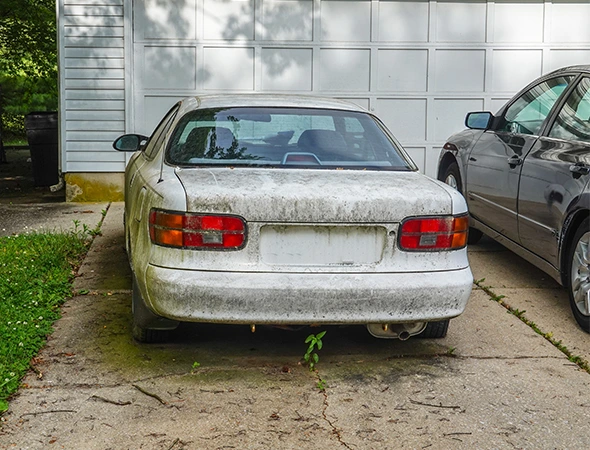
Owning a vehicle in South Florida comes with unique challenges. Heavy rainfall, tropical storms, hurricanes, high humidity, and occasional flooding can cause serious damage to cars. Even vehicles that have never been in a flood may become unreliable because of age, accidents, mechanical failures, or expensive repair needs. When repair costs become higher than the vehicle’s actual value, selling often becomes the smarter financial decision.
Whether your vehicle no longer starts, has been declared a total loss, or has suffered water damage, this guide explains everything you need to know. You’ll learn what qualifies as a junk or flood-damaged vehicle and what expert Flood Damaged Car Buyers in Fort Lauderdale, FL, look for.
What Qualifies as a Junk or Flood-Damaged Car?
Not every damaged vehicle is considered junk. Some cars are still repairable, while others become too expensive to restore. Understanding where your vehicle falls can help you choose the right selling option.
Signs Your Vehicle Is Considered a Junk Car
A junk car is generally a vehicle that is no longer practical or economical to repair. It may still contain valuable parts, but its overall condition makes it unsuitable for regular driving.
Some common signs include:
- Extensive engine or transmission failure
- Severe accident or collision damage
- A vehicle that no longer starts or runs
- Repair costs that exceed the vehicle’s market value
- Rust, frame damage, or major structural issues
- Extremely high mileage combined with mechanical problems
Many buyers specializing in Cash for Junk Cars in Fort Lauderdale, FL purchase vehicles regardless of whether they can still be driven, making it easier for owners to sell without investing in repairs.
What Counts as Flood Damage?
Flood damage occurs when water enters parts of the vehicle that are not designed to get wet. The severity depends on how deeply the vehicle was submerged and how long it remained in the water.
Common types of flood damage include:
|
Flood Damage Area |
Possible Problems |
|
Engine |
Internal corrosion, hydro-lock, complete engine failure |
|
Electrical System |
Short circuits, sensor failures, and wiring damage |
|
Interior |
Mold growth, mildew, unpleasant odors, damaged upholstery |
|
Transmission |
Contaminated fluids and mechanical wear |
|
Electronics |
Failed infotainment systems, lighting, and power accessories |
Insurance companies may classify heavily flooded vehicles as total losses, leading to salvage titles depending on the extent of the damage.
Can You Legally Sell a Junk or Flood-Damaged Car in Florida?
Yes. Florida law allows owners to sell damaged vehicles, including junk and flood-damaged cars. However, there are legal requirements that both buyers and sellers should follow.
Florida Title Requirements
The title status of your vehicle plays a major role in the selling process.
|
Title Type |
Description |
|
Clear Title |
The vehicle has no major branding, and ownership is straightforward. |
|
Salvage Title |
The vehicle has been declared a total loss by an insurance company. |
|
Rebuilt Title |
Previously salvaged vehicle that has been repaired and inspected. |
|
Lost Title |
Replacement may be needed before selling, depending on the buyer and circumstances. |
Many professional buyers can explain the paperwork needed if your title has been lost or carries a salvage designation.
Disclosure Requirements
Florida sellers should honestly disclose important information about the vehicle, especially if it has experienced flood damage or carries a salvage history.
Being transparent benefits everyone involved because it:
- Builds trust between buyer and seller.
- Reduces the risk of future legal disputes.
- Helps buyers accurately assess the vehicle.
- Creates a smoother transaction from start to finish.
Your Options for Selling a Junk or Flood-Damaged Car in Fort Lauderdale
Several selling options are available, and each has advantages depending on your vehicle’s condition.
Sell to a Local Junk Car Buyer
For many owners, this is the quickest and simplest option. Professional buyers typically purchase vehicles in almost any condition and often include free towing.
Benefits include:
- Fast cash offers
- Same-day or next-day pickup
- No repair costs
- Convenient paperwork assistance
- Purchase of non-running vehicles
Many Flood Damaged Car Buyers in Fort Lauderdale, FL, specialize in evaluating water-damaged vehicles that private buyers may avoid.
Sell to an Auto Salvage Yard
Salvage yards purchase vehicles primarily for reusable parts and recyclable metal.
This option works well when:
- The engine is beyond repair.
- The body has severe damage.
- Valuable components can still be reused.
- The vehicle’s scrap metal has market value.
Sell to a Private Buyer
Private sales may produce a higher selling price in some situations, especially if the vehicle still runs.
Pros:
- Potentially higher sale price
- Ability to negotiate directly
Cons:
- Longer selling process
- More advertising required
- Numerous buyer inquiries
- Greater paperwork responsibility
- Buyers may hesitate because of flood or mechanical damage
Trade It In
Trading your vehicle at a dealership may be convenient if you plan to purchase another vehicle.
However, dealerships often provide lower trade-in values for severely damaged, flood-damaged, or non-running vehicles because these cars are harder to resell.
Factors That Affect Your Car’s Value
No two junk cars have the same value. Buyers evaluate several factors before making an offer.
Vehicle Make, Model, and Year
Popular manufacturers often have higher parts demand, increasing resale value. Newer vehicles may also contain more valuable components.
Overall Condition
A vehicle with minor body damage but a functioning engine is generally worth more than one with significant structural problems.
Extent of Flood or Mechanical Damage
The amount of water exposure matters. Light interior water damage differs greatly from complete submersion, which damages electronics, the engine, and the transmission.
Demand for Parts
Vehicles with commonly needed replacement parts often receive stronger offers because dismantlers can recover more usable components.
Current Scrap Metal Prices
Scrap metal values fluctuate throughout the year, affecting the minimum amount buyers may offer for vehicles that have little remaining resale value.
Whether the Vehicle Still Runs
Running vehicles usually receive higher offers because transportation is easier and additional systems may still function properly.
|
Value Factor |
Impact on Price |
|
Vehicle Age |
Moderate |
|
Running Condition |
High |
|
Flood Damage Severity |
High |
|
Parts Demand |
High |
|
Scrap Metal Prices |
Moderate |
|
Title Status |
Moderate |
Documents You’ll Need Before Selling
Preparing your documents before contacting buyers helps speed up the process.
Vehicle Title
The title is the primary ownership document. Having it available usually makes the transaction much faster.
Valid Identification
Most buyers require a government-issued photo ID to verify ownership.
Vehicle Registration (if available)
Although not always required, registration can help verify vehicle information.
Keys and Service Records (Optional)
Extra keys and maintenance records are optional but may increase buyer confidence and simplify the transaction.
How to Sell Your Junk or Flood-Damaged Car in Fort Lauderdale
Following a simple process can help you receive a fair offer while avoiding unnecessary delays.
Step 1: Gather Vehicle Information
Collect important details before requesting quotes, including:
- Year
- Make
- Model
- Mileage
- VIN
- Vehicle condition
- Title status
- Description of any flood or accident damage
Step 2: Request Multiple Quotes
Instead of accepting the first offer, contact several buyers. Comparing offers gives you a better understanding of your vehicle’s market value.
This is especially important when looking for Cash for Junk Cars in Fort Lauderdale, FL, as pricing may vary depending on the buyer’s inventory needs and current scrap-market conditions.
Step 3: Compare Offers Beyond Price
The highest offer is not always the best offer.
Consider:
- Whether towing is free
- Payment method
- Pickup availability
- Customer reviews
- Hidden charges
- Paperwork assistance
Step 4: Schedule Vehicle Pickup
After selecting a buyer, schedule pickup at a convenient time. Many professional companies can remove non-running vehicles directly from your home, workplace, or repair shop.
Step 5: Complete the Paperwork and Receive Payment
Review all documents carefully before signing. Once ownership is transferred, you should receive the agreed payment according to the buyer’s process.
Tips to Get the Best Price
A few simple steps can improve your selling experience and help maximize your offer.
Be Honest About the Vehicle’s Condition
Providing accurate information helps buyers prepare realistic offers and reduces the chances of price changes during inspection.
Remove Personal Belongings
Before pickup, check:
- Glove compartment
- Center console
- Door pockets
- Trunk
- Under seats
- Garage door openers
- Toll transponders
Cancel Insurance After the Sale
Once ownership has officially transferred, notify your insurance provider to stop paying for unnecessary coverage.
Compare Several Buyers
Getting multiple estimates often leads to better pricing and helps identify reputable companies.
Avoid Offers with Hidden Fees
Some buyers advertise attractive prices but later deduct towing charges or processing fees. Always confirm exactly how much you will receive before agreeing to the sale.
Common Mistakes to Avoid
Selling a damaged vehicle is straightforward when you avoid common errors.
Accepting the First Offer
Taking the first offer without comparing prices may leave money on the table.
Selling Without a Title (When Avoidable)
Although some buyers can assist with title-related situations, having the proper documentation usually makes the transaction smoother.
Forgetting to Remove License Plates (if applicable)
Follow Florida’s requirements regarding license plate removal and transfer to avoid future complications.
Not Reporting the Sale Properly
Keep copies of your paperwork and ensure ownership records are updated to protect yourself from future liability.
Why Selling to a Professional Junk Car Buyer Is Often the Fastest Option
Professional junk car buyers simplify the selling process by handling many of the tasks that individual buyers cannot.
Some of the biggest advantages include the following:
- Free towing in many cases
- Same-day or scheduled pickup
- Immediate payment
- Purchases of non-running vehicles
- Assistance with paperwork
- No need to spend money on repairs before selling
Companies like Big Cash 4 Junk Cars focus on making the process straightforward, allowing vehicle owners to sell damaged cars without unnecessary delays or complicated negotiations.
Frequently Asked Questions
Can I sell a flood-damaged car without repairing it?
Yes. You are not required to repair a flood-damaged vehicle before selling it. Many professional buyers specifically purchase flood-damaged vehicles in their current condition. During the sale, you should accurately describe the extent of the water damage and disclose any known issues or title branding. Buyers will inspect the vehicle and determine its value based on factors such as the level of flooding, mechanical condition, salvage potential, and demand for reusable parts.
How much is a junk car worth in Fort Lauderdale?
There is no single price because every vehicle is different. A junk car’s value depends on its year, make, model, overall condition, whether it still runs, title status, reusable parts, and current scrap metal prices. Vehicles with valuable engines, transmissions, catalytic converters, or high-demand replacement parts often receive better offers than severely damaged vehicles with limited salvage value. Comparing several quotes is one of the best ways to determine a fair selling price.
Do junk car buyers provide free towing?
Many reputable buyers include free towing as part of their service, especially when purchasing vehicles in poor condition. However, this policy can vary between companies. Before accepting an offer, ask whether towing, paperwork processing, or administrative services involve additional charges. Confirming these details in advance helps ensure you receive the amount you were quoted.
Can I sell a vehicle with a salvage title?
Yes. A salvage title does not prevent you from selling your vehicle. Many buyers actively purchase salvage vehicles because they can recover valuable parts or recycle usable materials. The title status may affect the final offer, but it does not preclude you from completing a legal sale. Always provide accurate information about the title designation during the quoting process.
Final Thoughts
Selling a junk or flood-damaged vehicle in Fort Lauderdale does not have to be difficult. By understanding what qualifies as a junk or flood-damaged car, knowing Florida’s title requirements, preparing the necessary documents, and comparing multiple offers, you can complete the process with confidence.
Whether your vehicle has mechanical problems, accident damage, or extensive water intrusion, taking time to evaluate your options can help you receive a fair offer. Professional flood-damaged car buyers in Fort Lauderdale, FL, can often provide quick inspections, convenient pickup, and fast payment, making the process much easier than attempting expensive repairs or waiting for a private buyer. With the right preparation and a trustworthy buyer, selling your damaged vehicle can be a smooth, hassle-free experience.