
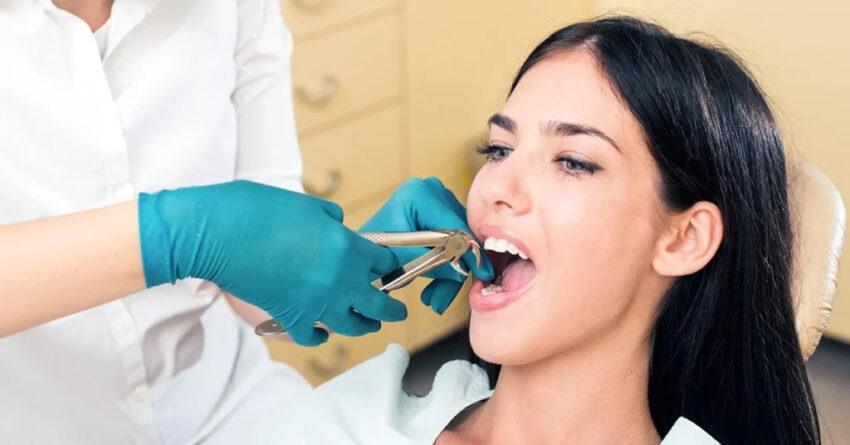
Wisdom teeth removal is one of the most common oral surgery procedures, and with proper aftercare, most patients recover quickly and comfortably. While it’s normal to experience mild swelling, discomfort, and tenderness after surgery, following your dentist’s instructions can help reduce complications and speed up the healing process.
At Art Family Dental, we are committed to making your recovery as smooth as possible. This guide explains what to expect after wisdom teeth removal and shares practical tips to help you heal faster and return to your normal routine.
What to Expect After Wisdom Teeth Removal
Immediately after surgery, your body begins the natural healing process. During the first few days, you may experience:
- Mild bleeding
- Swelling around the cheeks or jaw
- Minor discomfort
- Jaw stiffness
- Difficulty opening your mouth fully
These symptoms are temporary and typically improve within a few days.
Recovery Timeline
Understanding the healing process can help you know what is normal after surgery.
First 24 Hours
The first day is the most important for healing.
During this period:
- A blood clot forms in the extraction site.
- Mild bleeding is common.
- Swelling begins to develop.
- Rest is essential.
Protecting the blood clot is critical because it helps prevent a painful condition called dry socket.
Days 2–3
Swelling often reaches its peak during the second or third day.
You may notice:
- Reduced bleeding
- Mild bruising
- Gradual improvement in discomfort
Continue following your dentist’s aftercare instructions.
Days 4–7
Most patients begin feeling significantly better.
Swelling decreases, eating becomes easier, and normal daily activities can gradually resume.
One to Two Weeks
The gums continue healing, and most patients have returned to their regular routine.
Complete healing of the underlying bone may take several months, although you typically won’t notice it.
Tips for Faster Healing
1. Get Plenty of Rest
Rest is one of the most important parts of recovery.
Avoid strenuous exercise, heavy lifting, and intense physical activity for at least the first 24 to 48 hours or as directed by your dentist.
Keeping your head elevated while resting can also help reduce swelling.
2. Apply Ice Packs
Cold therapy helps minimize swelling and discomfort.
Apply an ice pack to the outside of your face for:
- 20 minutes on
- 20 minutes off
Continue this during the first 24 hours after surgery for the best results.
3. Protect the Blood Clot
The blood clot that forms after extraction is essential for healing.
To avoid dislodging it:
- Do not use a straw.
- Avoid smoking or vaping.
- Do not spit forcefully.
- Avoid vigorous rinsing during the first 24 hours.
Protecting the clot greatly reduces the risk of dry socket.
4. Eat Soft Foods
Choose foods that require little chewing while your mouth heals.
Good options include:
- Yogurt
- Applesauce
- Mashed potatoes
- Smooth soups
- Oatmeal
- Cottage cheese
- Scrambled eggs
- Smoothies (without a straw)
Gradually return to solid foods as your comfort improves.
5. Stay Hydrated
Drink plenty of water throughout the day.
Avoid:
- Carbonated beverages
- Alcohol
- Extremely hot drinks
Proper hydration supports faster healing.
6. Keep Your Mouth Clean
Good oral hygiene helps prevent infection.
After the first 24 hours:
- Rinse gently with warm salt water several times daily.
- Brush your teeth carefully, avoiding the extraction site.
- Follow any additional cleaning instructions provided by your dentist.
Never rinse aggressively during the early healing period.
7. Take Medications as Directed
Take prescribed or recommended pain medication exactly as instructed.
If antibiotics are prescribed, complete the full course to reduce the risk of infection.
Never stop medications early without consulting your dentist.
8. Avoid Smoking and Tobacco
Smoking significantly slows healing and increases the risk of complications such as dry socket and infection.
Avoid smoking for as long as possible after surgery, especially during the first several days.
9. Avoid Hard and Crunchy Foods
Until your dentist confirms proper healing, avoid foods like:
- Chips
- Popcorn
- Nuts
- Hard candy
- Crackers
These foods can irritate the surgical site or become lodged in the extraction socket.
10. Attend Follow-Up Appointments
Your follow-up visit allows your dentist to monitor healing and ensure there are no complications.
If stitches were placed, they will be checked or removed if necessary.
Regular follow-up care supports a successful recovery.
Warning Signs to Watch For
Contact your dentist immediately if you experience:
- Heavy or prolonged bleeding
- Severe pain several days after surgery
- Fever
- Excessive swelling
- Difficulty swallowing or breathing
- Pus or drainage
- Persistent bad taste or odor
- Signs of dry socket
Early treatment can prevent more serious complications.
Why Choose Art Family Dental?
At Art Family Dental, we provide gentle wisdom teeth extractions with personalized care before, during, and after your procedure. Our experienced team uses advanced technology and modern surgical techniques to ensure safe treatment and a comfortable recovery. We also provide detailed aftercare guidance and ongoing support to help you heal quickly and protect your long-term oral health.
Conclusion
Recovering from wisdom teeth removal is usually straightforward when you follow the proper aftercare instructions. Rest, good oral hygiene, a soft diet, and protecting the extraction site all play an important role in promoting faster healing and preventing complications. At Art Family Dental, we are dedicated to supporting you throughout every stage of your recovery. If you’re preparing for wisdom teeth removal or have questions about healing, schedule a consultation with our team and let us help you enjoy a smooth, comfortable recovery.