
Introduction
Industrial gas and steam turbines depend on sophisticated control systems to deliver safe, efficient, and reliable performance. Among these, the GE Mark IV turbine control system has been widely recognized for its robust design and dependable operation across power generation, oil and gas, and industrial processing facilities. At the heart of this control architecture is the GE Mark IV Firing Circuit Board, a critical component responsible for supporting firing control functions and ensuring seamless communication between various control modules. Its reliable operation helps maintain turbine stability, optimize performance, and minimize operational risks.
What Is a GE Mark IV Firing Circuit Board?
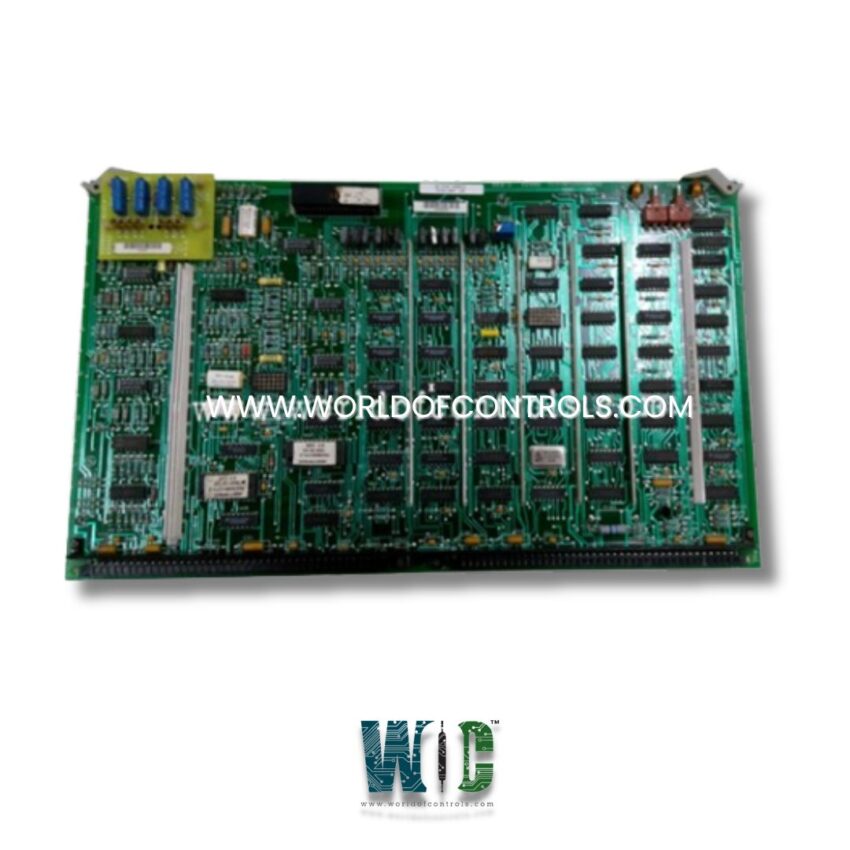
A GE Mark IV Firing Circuit Board is an essential electronic module within the GE Mark IV turbine control system. It is designed to manage firing-related control signals and facilitate communication between different sections of the control system.
As part of the overall control architecture, the firing circuit board helps execute operational commands accurately during turbine startup, normal operation, and shutdown. By processing electrical signals with precision, it supports coordinated system performance and contributes to the overall reliability of the turbine control environment.
Key Functions of the GE Mark IV Firing Circuit Board
Signal Processing
The firing circuit board receives, processes, and transmits electrical signals that are essential for coordinating turbine control operations. Accurate signal management ensures that commands are executed efficiently throughout the system.
Firing Control Support
One of the board’s primary responsibilities is supporting the turbine’s firing control process. It works in conjunction with other control modules to help regulate operational sequences and maintain stable turbine performance.
Communication Between Control Modules
The board serves as a communication interface within the GE Mark IV system, enabling different electronic components to exchange information effectively. This coordinated communication is essential for maintaining consistent turbine operation.
System Reliability
Reliable electronic control is crucial in industrial turbine applications. The firing circuit board contributes to dependable system performance by supporting accurate control logic and minimizing signal interruptions during operation.
Importance in Turbine Control Systems
Modern turbine control systems require precise coordination between sensors, processors, protection systems, and electronic control boards. The GE Mark IV Firing Circuit Board plays a significant role in maintaining this coordination by supporting accurate signal transmission and synchronized system responses.
Its dependable performance helps improve turbine availability, reduce unexpected shutdowns, and support efficient energy production. In industries where operational continuity is essential, reliable control boards contribute significantly to overall plant productivity and equipment longevity.
Many industrial facilities continue to operate GE Mark IV control systems because of their proven reliability, making proper maintenance and replacement of electronic control boards an important aspect of long-term asset management.
Maintenance Best Practices
Routine maintenance helps maximize the lifespan and performance of turbine control components. Recommended practices include:
- Conducting periodic visual inspections for signs of wear or damage.
- Keeping electronic assemblies clean and protected from dust and moisture.
- Verifying secure electrical connections during scheduled maintenance.
- Performing functional testing after installation or servicing.
- Using compatible replacement components that meet original equipment specifications.
Preventive maintenance reduces the likelihood of unexpected failures and helps maintain consistent turbine operation.
Selecting Quality Replacement Components
When replacing a GE Mark IV Firing Circuit Board, compatibility with the existing control system is essential. Choosing components that meet original design specifications helps ensure reliable communication, stable performance, and seamless integration with other control modules.
Many operators also prefer professionally tested and refurbished industrial control boards as a cost-effective solution for extending the service life of legacy turbine control systems while maintaining operational reliability.
Conclusion
The GE Mark IV Firing Circuit Board is a vital component of industrial turbine control systems, supporting accurate signal processing, firing control, and communication between critical control modules. Its role in maintaining stable and efficient turbine operation makes it an essential part of power generation and industrial automation environments. Through proper maintenance, timely replacement, and the use of quality components, organizations can improve system reliability, reduce downtime, and extend the operational life of their GE Mark IV turbine control systems.