
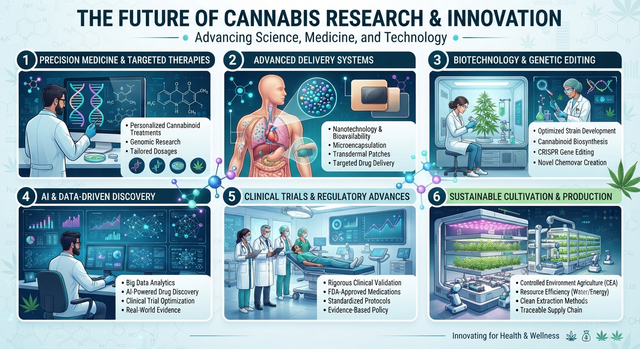
Introduction
The cannabis industry has experienced remarkable growth over the past decade, driven by evolving regulations, scientific advancements, and increasing consumer interest. As research continues to expand, innovation is transforming every stage of the cannabis supply chain—from cultivation and processing to quality testing and product development. These advancements are helping licensed producers improve product consistency, enhance cultivation practices, and meet the growing demand for high-quality cannabis products.
Today, researchers, cultivators, and technology companies are working together to develop new techniques that increase efficiency while maintaining strict quality standards. Innovations in genetics, controlled-environment agriculture, automation, and laboratory testing are shaping the future of the cannabis industry. For consumers, these improvements mean greater transparency, more consistent products, and access to reliable information when purchasing cannabis from licensed retailers.
The Growing Importance of Cannabis Research
Scientific research plays an essential role in improving cannabis cultivation and production. Modern studies help growers understand plant biology, environmental influences, and cultivation techniques that support healthy plant development.
Research also contributes to:
-
Better cultivation methods
-
Improved product consistency
-
Enhanced quality control
-
Sustainable farming practices
-
More efficient resource management
-
Advanced laboratory testing
As regulations evolve in many regions, ongoing research continues to support safer production practices and higher industry standards.
Advances in Cannabis Genetics
Genetics remain one of the most exciting areas of cannabis innovation. Plant breeders are continually developing cultivars with specific characteristics such as improved resilience, uniform growth patterns, and consistent cannabinoid and terpene profiles.
Modern genetic research helps cultivators:
-
Improve crop consistency
-
Strengthen plant resistance to environmental stress
-
Enhance cultivation efficiency
-
Develop plants suited to different growing environments
By selecting and refining desirable genetic traits, licensed producers can achieve more predictable harvests while maintaining high production standards.
Technology Is Transforming Cannabis Cultivation
Technology has become an essential part of modern cannabis production. Many commercial cultivation facilities now rely on automated systems that continuously monitor environmental conditions.
Advanced cultivation technologies include:
Climate Control Systems
Automated climate systems regulate temperature, humidity, and airflow to create stable growing conditions throughout the plant’s life cycle.
LED Lighting
Energy-efficient LED lighting allows indoor growers to optimize light intensity while reducing electricity consumption.
Automated Irrigation
Smart irrigation systems deliver water and nutrients accurately, helping reduce waste and support healthy plant growth.
Environmental Sensors
Real-time monitoring devices collect information about growing conditions, allowing cultivators to make informed adjustments quickly.
These technologies improve consistency while supporting more sustainable production methods.
Artificial Intelligence and Data Analysis
Artificial intelligence (AI) is becoming increasingly valuable in cannabis cultivation. AI-powered systems can analyze environmental data, identify growth patterns, and help optimize cultivation practices.
Potential applications include:
-
Predicting plant performance
-
Monitoring environmental changes
-
Identifying equipment issues
-
Improving resource efficiency
-
Supporting quality management
Although AI cannot replace experienced cultivators, it serves as a valuable decision-support tool for large-scale production facilities.
Sustainable Cannabis Farming
Environmental sustainability has become a major focus within the cannabis industry. Researchers continue to explore methods that reduce energy consumption and conserve natural resources while maintaining product quality.
Sustainable innovations include:
-
Water recycling systems
-
Renewable energy integration
-
Organic cultivation practices
-
Biological pest management
-
Improved greenhouse technologies
These approaches help licensed producers reduce environmental impact while supporting responsible cultivation practices.
The Future of Cannabis Quality Testing
Quality testing remains one of the most important aspects of cannabis production. Independent laboratory analysis helps verify product safety and provides valuable information for consumers.
Modern testing may evaluate:
-
Cannabinoid profiles
-
Terpene composition
-
Moisture content
-
Microbial contamination
-
Heavy metals
-
Pesticide residues
As laboratory technology advances, testing methods continue to become more accurate and efficient, supporting higher quality standards across the industry.
Innovation in Cannabis Processing
Research is also improving cannabis processing methods. Manufacturers continue developing equipment and production techniques that help preserve product quality throughout harvesting, drying, curing, and packaging.
Innovations include:
-
Automated trimming equipment
-
Precision drying systems
-
Controlled curing environments
-
Advanced packaging materials
-
Improved storage technologies
These improvements help maintain product freshness and consistency while extending shelf life.
Consumer Education and Transparency
Innovation is not limited to cultivation. Many licensed cannabis companies are investing in educational resources that help consumers better understand their products.
Modern product labels often include:
-
Cannabinoid content
-
Terpene information
-
Batch identification
-
Laboratory testing details
-
Recommended storage guidance
Providing clear product information helps consumers make informed purchasing decisions and encourages greater transparency within the industry.
The Role of Licensed Cannabis Companies
Many established cannabis companies continue investing in research, technology, and quality assurance to improve their products and operations.
Examples include:
Weedroads
Weedroads operates in multiple regulated markets and focuses on providing a wide range of cannabis products through licensed retail locations.
Trulieve
Trulieve is recognized for emphasizing product quality, cultivation expertise, and customer education within regulated cannabis markets.
Green Thumb Industries
Green Thumb Industries invests in cultivation innovation, product development, and quality assurance while serving licensed markets.
Cresco Labs
Cresco Labs focuses on consistent cultivation practices, responsible production, and offering a diverse portfolio of cannabis products through licensed channels.
Consumers should always purchase cannabis from licensed dispensaries and retailers that comply with local regulations and provide access to properly tested products.
Challenges Facing Future Cannabis Research
Although innovation continues to accelerate, researchers still face several challenges.
These include:
-
Evolving regulations
-
Differences in regional laws
-
Limited long-term research in some areas
-
Standardization of testing methods
-
Environmental sustainability concerns
Continued collaboration among researchers, cultivators, regulators, and industry professionals will be important for addressing these challenges responsibly.
What the Future Holds
The future of cannabis research is expected to focus on greater precision, improved sustainability, and enhanced product quality. Emerging technologies may further improve cultivation efficiency while reducing environmental impact.
Future innovations are likely to include:
-
Smarter cultivation automation
-
More energy-efficient production systems
-
Improved environmental monitoring
-
Advanced plant breeding techniques
-
Enhanced laboratory testing capabilities
-
Greater transparency throughout the supply chain
These developments will continue shaping a more reliable and professionally managed cannabis industry.
Conclusion
Cannabis research and innovation are transforming the industry through advances in genetics, cultivation technology, sustainability, laboratory testing, and consumer education. As scientific understanding continues to grow, licensed producers can improve product consistency while adopting more efficient and environmentally responsible production methods.
For consumers, these advancements provide greater confidence when purchasing cannabis from reputable, licensed companies. Organizations such as Weedroads, Trulieve, Green Thumb Industries, and Cresco Labs demonstrate how investment in research, quality control, and innovation can contribute to a more transparent and reliable marketplace.
As the cannabis industry continues to evolve, ongoing research and technological innovation will play a vital role in supporting high-quality products, responsible cultivation practices, and informed consumer choices.